
TL;DR
Xiaomi's latest flagship, the 17 Ultra, redefines the "camera phone" with significant hardware advancements, particularly in its Leica-tuned triple-camera system featuring a groundbreaking 200MP periscope lens and a 1-inch sensor. It boasts improved durability, a brighter display, and a larger battery, though wireless charging is slightly downgraded. While running on the latest Snapdragon and Android, the standout focus remains photography, pushing boundaries in light capture and depth reproduction. Despite a premium price, this device is a top recommendation for photography enthusiasts seeking an exceptional mobile camera experience. Dive into the full review to see if this camera powerhouse is for you!
Upon reviewing the Xiaomi 14 Ultra, our initial impression was that the distinction between a dedicated camera and a mobile camera was increasingly blurred. Xiaomi subsequently released the Xiaomi 15 Ultra, further advancing and refining its technology. We now evaluate its successor, the Xiaomi 17 Ultra (Xiaomi skipped number 16). Has the technology evolved significantly, or is this iteration primarily focused on incremental updates like increased pixel count and newer software? A welcome aspect from the outset was a shift away from over-reliance on digital enhancement (though significant digital processing remains inherent in modern photography) towards a focus on substantial hardware advancements. With the Xiaomi 14 Ultra, for example, we were impressed by the mechanical aperture. With keen interest, we delve into the specifics.
A first impression – Xiaomi 17 Ultra
(Photo: senses.se)
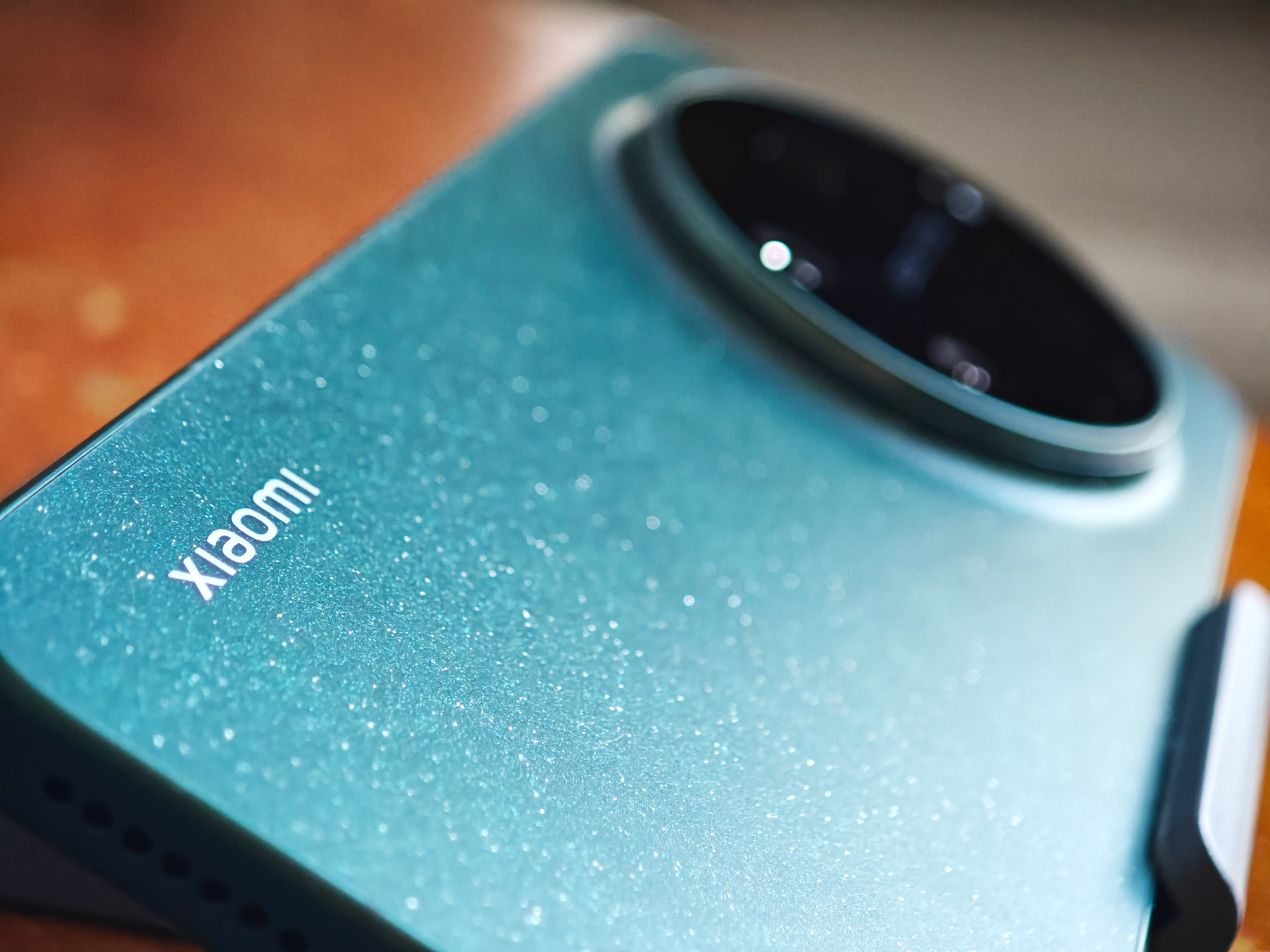
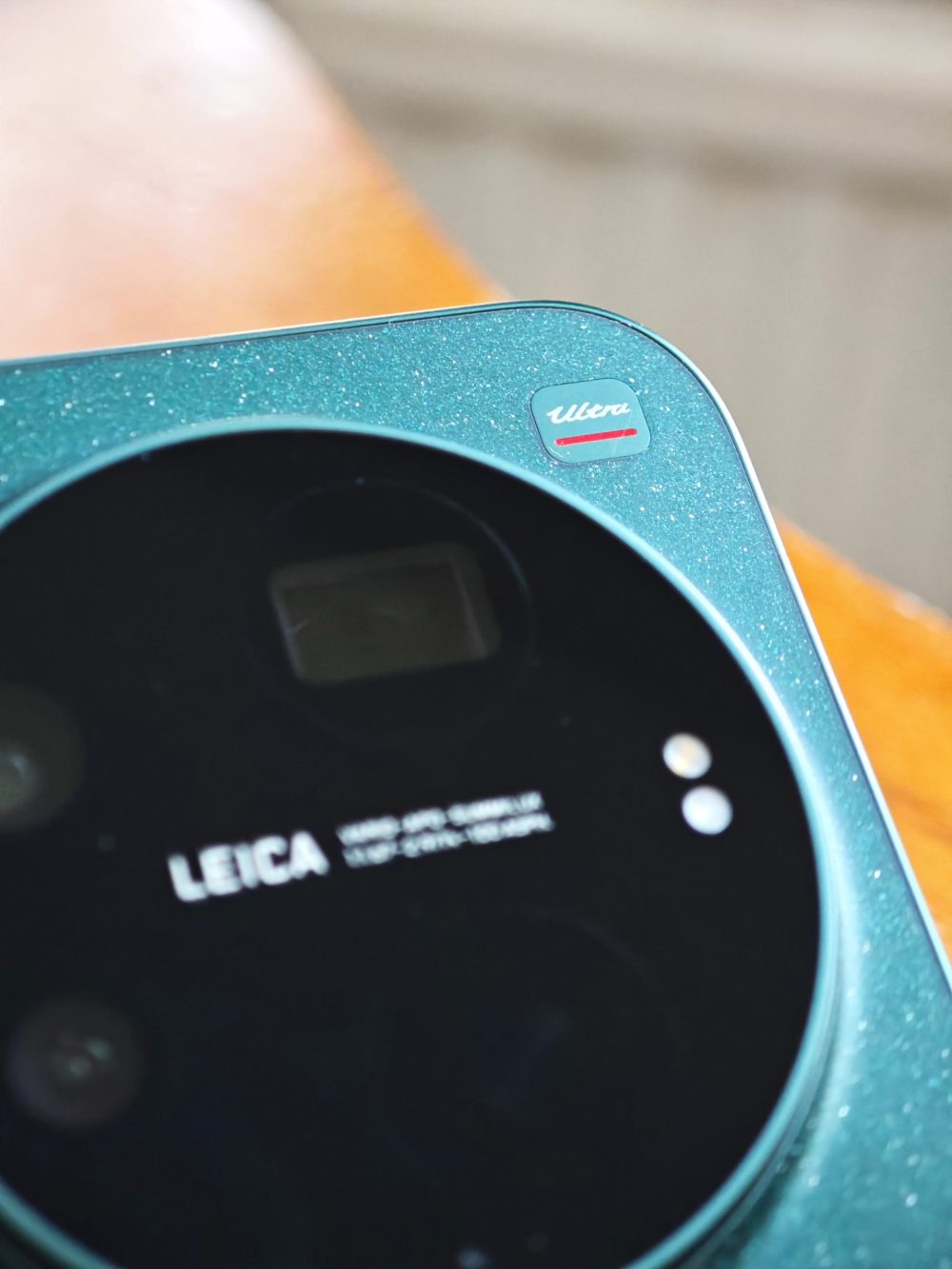
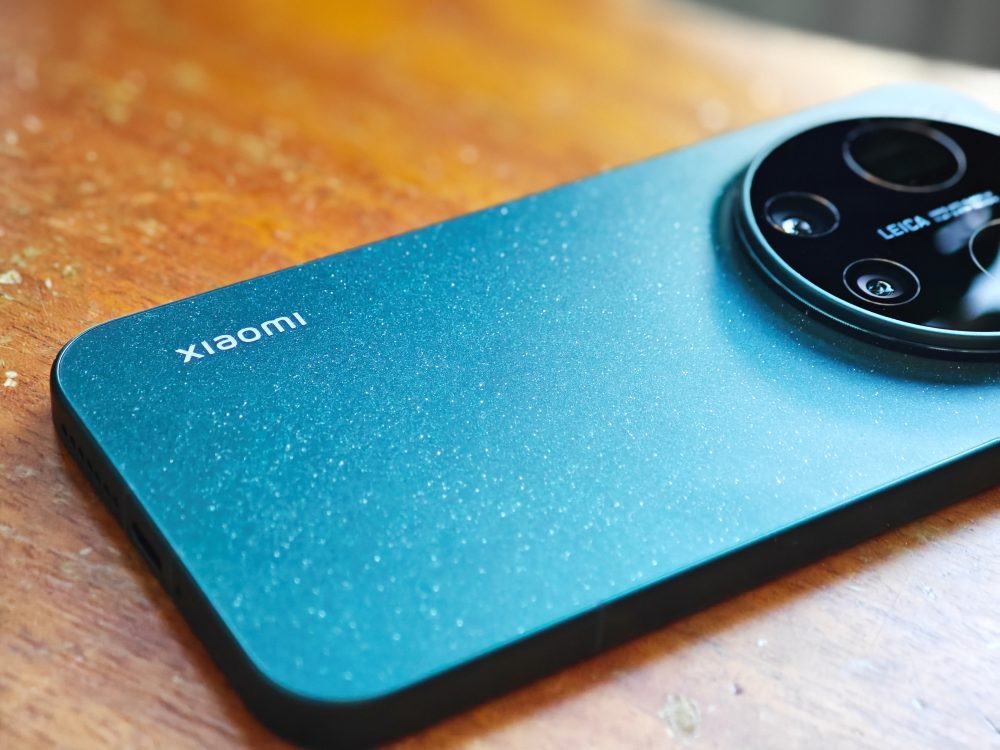
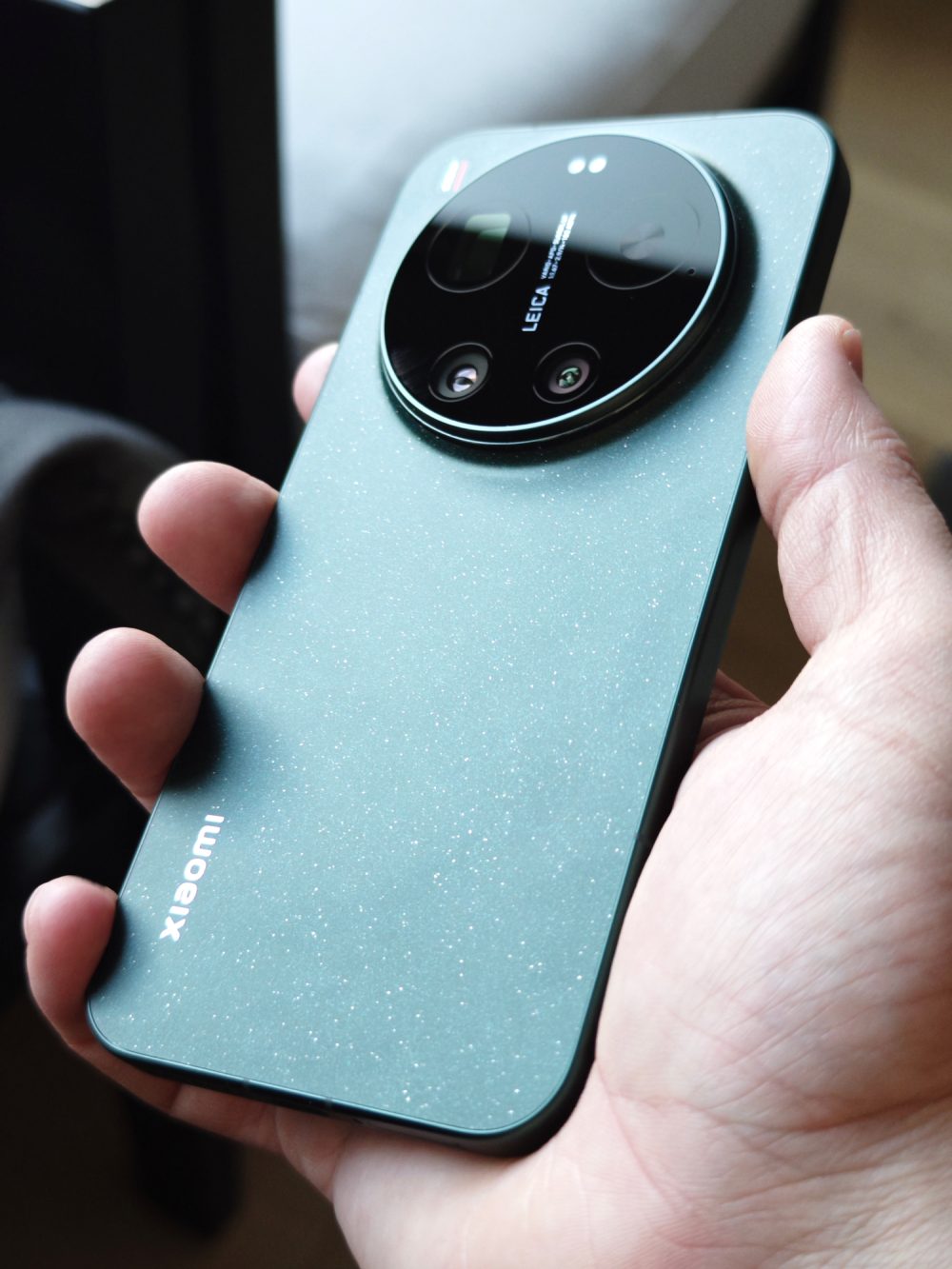
From the outset, we appreciate Xiaomi’s continued commitment to a distinct design for the Ultra series. The unit we tested came in Starlit Green. However, the pronounced aesthetic reminiscent of a traditional camera has evolved, replaced by a more subtly refined design that still unmistakably signifies its Ultra designation. The device has also marginally increased in width. While adaptation is expected, the prior model offered a somewhat more slender feel.
For this review, we did not have the opportunity to test the accompanying Photography Kit. In previous iterations, this accessory proved to be a valuable addition, rather than a mere novelty. It enhanced handling and provided an extra battery, making it ideal for extended photography sessions, such as during events. Nonetheless, it remains available for users requiring enhanced functionality. The retail package includes a transparent case and a charging cable. The power adapter, however, is sold separately.
(Photo: senses.se)
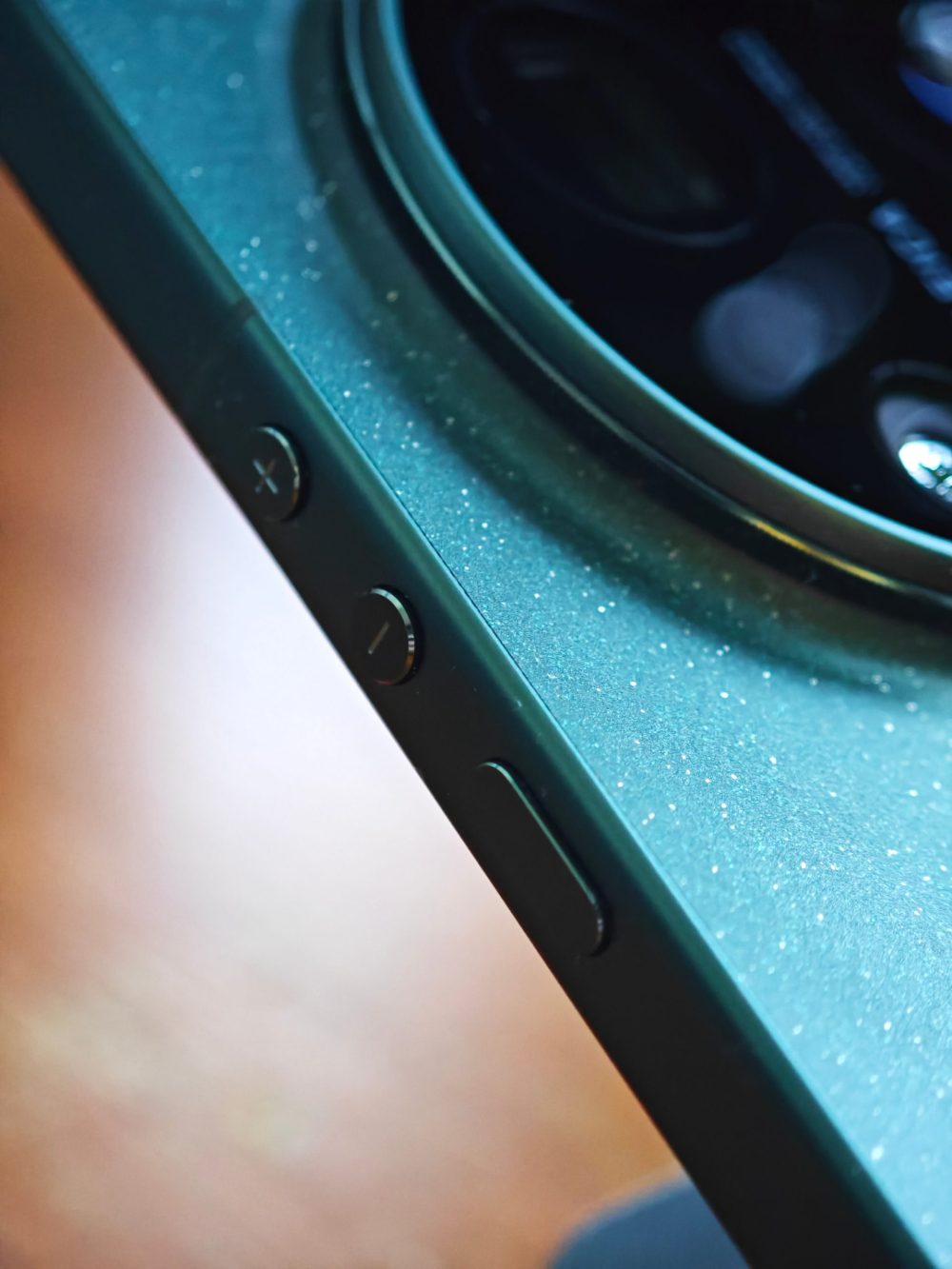
A notable physical improvement lies in the redesigned buttons. Unlike the combined volume and separate power buttons found on both the Xiaomi 14 and 15, all three buttons are now distinct and individually placed. This configuration offers improved tactility, ease of location, and a more responsive press. The Xiaomi 17 Ultra also boasts enhanced durability, retaining its IP68 rating, but now offers submersion resistance up to 6 meters, a significant increase from the previous 1.5 meters. Users are still advised to retrieve the device within thirty minutes to ensure full integrity.
The Screen
As noted, the display size has increased from 6.73 inches to 6.9 inches. However, the resolution has been adjusted to 1200 x 2608 pixels (approximately 416ppi). For comparison, both preceding models featured a resolution of 1440 x 3200 (approximately 522 ppi). While a numerical difference exists, it is largely imperceptible to the naked eye during typical usage. Conversely, it now benefits from a more dynamic 1-120Hz LTPO (Low-Temperature Polycrystalline Oxide) refresh rate and an increased peak brightness of 3500 nits. Consistent with its predecessors, the screen features a subtle curvature, which contributes to an elegant aesthetic but can occasionally lead to accidental application launches.
Power Supply and Audio
The Xiaomi 17 Ultra incorporates a larger 6,000 mAh battery compared to its predecessors. It retains 90W wired fast charging, a feature that proves highly beneficial, particularly for quick power boosts. However, users who have invested in Xiaomi’s higher-capacity 80W wireless chargers will find that the Xiaomi 17 Ultra only supports up to 50W wireless charging, unlike its predecessors which supported the full 80W. Nevertheless, the combination of a substantial battery and rapid charging ensures that battery life concerns are largely mitigated. For audio, the device supports all relevant codecs and natively offers 24bit/192kHz high-resolution audio playback. The ingenious audio sharing function, which we praised in the Xiaomi 14 Ultra and is also present in Xiaomi’s tablets, allows for simultaneous audio output to two pairs of headphones.
Operating System and Performance
The Xiaomi 17 Ultra operates on Android 16, overlaid with Xiaomi’s HyperOS 3 interface. Under the hood sits the Snapdragon® 8 Elite Gen 5 Mobile Platform, which includes the 3rd generation Qualcomm Oryon™ CPU, Qualcomm® Adreno™ GPU, and Qualcomm® Hexagon™ NPU.
(Photo: senses.se)
The Camera – Xiaomi 17 Ultra
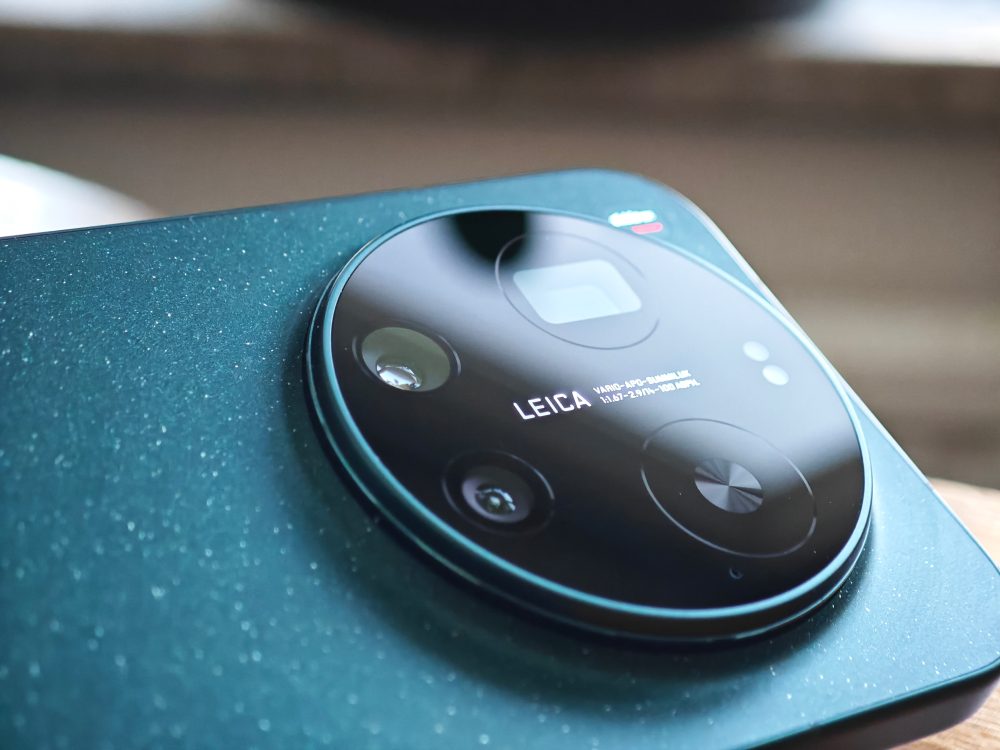
We are particularly impressed by how Xiaomi, in collaboration with Leica, has advanced camera technology with this iteration. The Xiaomi 17 Ultra features a triple-camera setup, one fewer than previous versions. However, the innovation introduced is genuinely compelling.
Smartphone Camera Challenges
A primary challenge for smartphone cameras is their inherent limitation in light capture. This becomes particularly evident when contrasted with a dedicated system camera lens. However, advanced computational photography techniques, such as HDR (High Dynamic Range), which involve capturing and merging multiple exposures and data from various sensors, significantly mitigate this limitation. Consequently, the final images displayed on our mobile devices are, to a significant extent, products of sophisticated computational processing. The second challenge pertains to depth perception. While system camera lenses offer extensive capabilities in this regard, the physical constraints of a compact smartphone inherently limit this aspect.
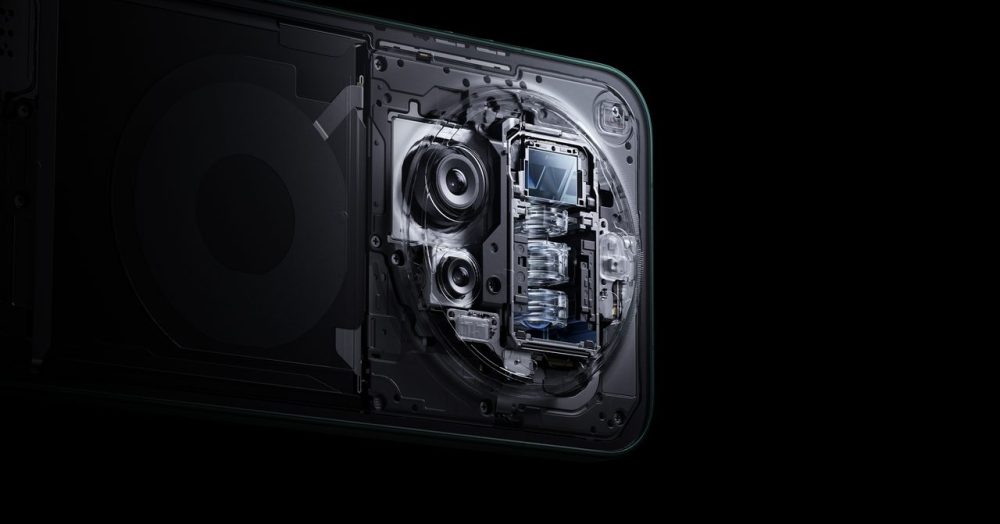
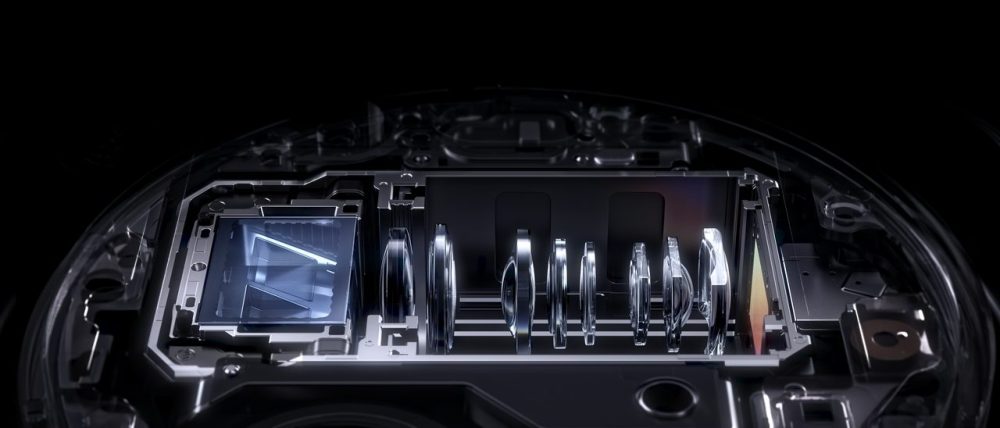
Xiaomi and Leica’s Solution
Xiaomi and Leica have addressed this depth challenge by reconfiguring the camera array: one sensor has been removed, replaced by a horizontally aligned series of lenses that utilize a periscope mirror system to capture light. This innovative design enables the mechanical arrangement of lenses to more closely mimic the functionality of a traditional telephoto lens. This mirrors the principle of adjusting lens elements’ distance to achieve focus in a system camera.
-

Xiaomi 17 Ultra zoom capability.
(Photo: senses.se) -
Xiaomi 17 Ultra zoom capability.
(Photo: senses.se) -
Xiaomi 17 Ultra zoom capability.
(Photo: senses.se) -
Xiaomi 17 Ultra zoom capability.
(Photo: senses.se) -
Xiaomi 17 Ultra zoom capability.
(Photo: senses.se) -
Xiaomi 17 Ultra zoom capability.
(Photo: senses.se) -
Xiaomi 17 Ultra zoom capability.
(Photo: senses.se) -
Xiaomi 17 Ultra zoom capability.
(Photo: senses.se)





This ingenious engineering underpins Leica’s 200MP 75-100mm periscope lens. Engineered to Leica’s APO optical references, this camera delivers exceptional image quality across its extensive zoom range, capable of reaching a 400mm (17.2x) equivalent focal length. Additionally, three specially manufactured Leica lenses are integrated to minimize chromatic aberration, a common photographic defect characterized by unwanted color fringing, typically purple or green. Consequently, the Xiaomi 17 Ultra is the first smartphone to achieve Leica APO (apochromatic) certification.
Complementing this is a 50MP camera featuring a full 1-inch Light Hunter 1050L sensor and a variable aperture (f/1.67). Its capabilities were notably evident in low-light photography; activating night mode yielded minimal further enhancement, indicating the sensor’s inherent low-light prowess. Rounding out the array is a 50MP ultrawide lens, enabling expansive landscape and architectural shots.

(Photo: senses.se)

(Photo: senses.se)

(Photo: senses.se)

(Photo: senses.se)

(Photo: senses.se)

(Photo: senses.se)

(Photo: senses.se)

(Photo: senses.se)

(Photo: senses.se)

(Photo: senses.se)

(Photo: senses.se)

(Photo: senses.se)

(Photo: senses.se)
The mechanical aperture mechanism is retained and emits a subtle, tactile feedback until the camera is activated. It is noteworthy that users can perceive the camera’s internal mechanical movements when transitioning between the comprehensive suite of software functions. This unequivocally establishes the device as an exceptionally capable camera phone.
What about video?
For video recording, the Xiaomi 17 Ultra supports both Dolby Vision® and ACES Log recording in up to 4K 120 fps for both the main and telephoto cameras. Crucially, the incredibly effective Film mode produces impactful videos characterized by impressive dynamic range and a cinematic quality. Furthermore, 8K video recording is also available.
The Experience – Xiaomi 17 Ultra
Undoubtedly, the camera is the paramount feature of the Xiaomi 17 Ultra, and it represents the primary focus of Xiaomi’s developmental efforts. While Xiaomi Hyper AI and support for other AI functionalities are integrated, they are not the central emphasis. It is evident that Xiaomi places significant reliance on its partnership with Leica and the advanced camera technologies derived from this collaboration. This approach is refreshing and results in a highly enjoyable user experience.
(Photo: senses.se)
Nearly every captured image demonstrates excellent quality. For users seeking creative inspiration or diverse photographic styles, a rich array of options is available to enhance the visual appeal. Users can achieve a softer aesthetic by utilizing the C2 preset in Pro mode, or by experimenting with Leica’s proprietary filters. Additionally, a selection of four supplementary scene modes — including silhouette, scene, fireworks, and flames — offers distinct enhancements for standard photography. These scenes intelligently adapt the image parameters, enhancing photographs with captivating effects. All are easily accessible and intuitive to operate.
As a smartphone, the Xiaomi 17 Ultra delivers an excellent experience. It is characterized by rapid performance, a crisp display, and impressive brightness. However, its considerable width may present challenges for comfortable single-handed operation. The fingerprint reader is exceptionally fast and consistently reliable, requiring minimal attempts for unlocking. Overall, it stands as a highly capable and robust smartphone, fitting for a flagship device.
However, a consistent issue identified during our testing was frequent Bluetooth disconnections and reconnections. This problem persisted across multiple headphone models. Given that our review unit was operating on a pre-release OS version, there is a reasonable expectation that this issue may be resolved in the final software. However, without the ability to apply updates, we cannot definitively confirm its resolution.


Conclusion – Xiaomi 17 Ultra
Consistent with previous iterations, the Xiaomi 17 Ultra positions itself as a camera-first device, albeit one that simultaneously functions as an excellent smartphone. This brings us to the pricing. Two variants are available: Xiaomi 17 Ultra 16GB +1TB for 19,990 SEK and 16GB+512GB for 17,990 SEK (with a launch offer where it costs 15,990 SEK between February 28th and March 29th, 2026). Evidently, this represents a significant investment.
(Photo: senses.se)
While the price point is substantial, it is arguably justifiable considering the device offers an absolute top-tier camera system that has largely overcome traditional challenges in light capture and depth reproduction. Nevertheless, it is undeniably a premium expenditure. As a flagship device, it is equipped with cutting-edge technology and premium specifications. Therefore, for consumers prioritizing a class-leading camera and advanced mobile technology, the Xiaomi 17 Ultra comes highly recommended, as it is unlikely to disappoint.
Xiaomi sent review units for this review. The sender of the material has no editorial influence on our tests.
