
TL;DR
Step into the unsettling world of wax figures and explore Arne Mattsson's cult classic, *Vaxdockan*. This film dives deep into the psychological descent of a lonely man, Lundgren, portrayed with gripping intensity by Per Oscarsson, as he becomes consumed by his obsessive love for a mannequin. From its visually striking style reminiscent of Argento and Bava to its themes of isolation and repressed desire, *Vaxdockan* is a chillingly effective study of delusion. Discover why this overlooked gem, featuring a memorable performance from Gio Petré, is a must-watch for horror aficionados. Intrigued? Read the full review to uncover the eerie brilliance of *Vaxdockan*.
A compelling film for those interested in Per Oscarsson’s portrayal of a man’s descent into obsession with a mannequin
Wax figures and museums possess a unique duality, often evoking both a profound sense of unease and a strange fascination.
While Madame Tussauds in London is renowned, my experiences lean toward other, more unsettling and significantly more unusual wax figure collections encountered globally. These exhibits often featured figures that were less lifelike and more terrifying, grotesque, and peculiar. Memorable examples include the dimly lit 80s Hollywood Wax Museum on Hollywood Blvd, the curious establishment at the Stazione di Milano Centrale railway station in Milan, and, naturally, the eerie effigies residing in the basement of Dario Argento’s horror boutique, Profondo Rozzo, in Rome.
Unsurprisingly, wax figures frequently serve as compelling elements in horror cinema.
A prime example is Arne Mattsson’s 1962 film, Vaxdockan, described as an “infernal study in erotic delusion.” While Mattsson is perhaps more widely recognized for his atmospheric and suggestively brilliant Hillman detective stories, Vaxdockan clearly demonstrates his aptitude for crafting more psychologically unsettling horror narratives.
Vaxdockan remains a regrettably overlooked cult film, particularly for those interested in Per Oscarsson’s compelling portrayal of a man’s descent into madness and his unconventional relationship with a mannequin.
The film’s visual language and camera movements evoke the stylistic hallmarks of both Argento and Mario Bava. It is conceivable that William Lustig drew inspiration from Vaxdockan during the production of Maniac (1980). Furthermore, one discerns clear parallels suggesting that screenwriter Lars Forsell was influenced by Norman Bates and Psycho (1960).
The narrative centers on the night watchman, Lundgren.
Masterfully portrayed with nervous intensity by Per Oscarsson, Lundgren is an eccentric and emotionally isolated middle-aged man residing alone in a dilapidated, castle-like apartment building on the outskirts of Stockholm. However, the eccentricities of the other tenants (including performances by Tor Isedal, Bengt Eklund, Agneta Prytz, and Olle Grönstedt) suggest they are equally unconventional.
One evening, Lundgren reports a burglary, asserting he witnessed someone absconding with a mannequin. In actuality, it is Lundgren himself who has brought the mannequin (portrayed by Gio Petré) to his desolate dwelling. There, he commences dressing her, conversing with her, and acquiring gifts. She becomes the sole entity “who understands him,” and as Lundgren succumbs to his infatuation with the mannequin, he gradually disengages from all aspects of his former life.
He ceases attending work, secludes himself within the apartment, and discontinues rent payments. The possessive landlady (Elsa Prawitz), harboring a fondness for Lundgren, along with the other neighbors, becomes increasingly wary of his erratic conduct. When they forcibly enter his attic apartment and discover Lundgren in bed with the mannequin, he reacts with an intense and violent breakdown.
Vaxdockan is an eerie, surreal, and unexpectedly gripping film.
While not overtly violent, the film is permeated by a pervasive sense of suppressed aggression and anxiety concerning feminine sexuality, alongside a lonely, deviant individual’s desperate yearning for affection. Mattsson conveys this narrative with tragicomic brilliance and remarkable efficacy.
Per Oscarsson was an iconic and often controversial figure in Swedish cinema. A rebellious individualist, his roles included acclaimed performances in films such as Bröderna Lejonhjärta (1977) and Nybyggarna (1972), though he is perhaps most notably remembered for a provocative live television appearance on Hylands hörna (1966). In Vaxdockan, he delivers one of his most compelling performances, deeply moving and profoundly revelatory.
Gio Petré appeared in Ingmar Bergman’s Smultronstället (1957) and previously (1958) held a role in Arne Mattsson’s Mannekäng i rött. She gained international prominence as an emblem of “the Swedish sin” through films such as Jag – en kvinna 2 (1968), Som havets nakna vind (1968), and Ann och Eve – de erotiska (1970).
Her portrayal in Vaxdockan is genuinely unsettling, effectively amplifying the impact of the surprising and profoundly affecting conclusion.
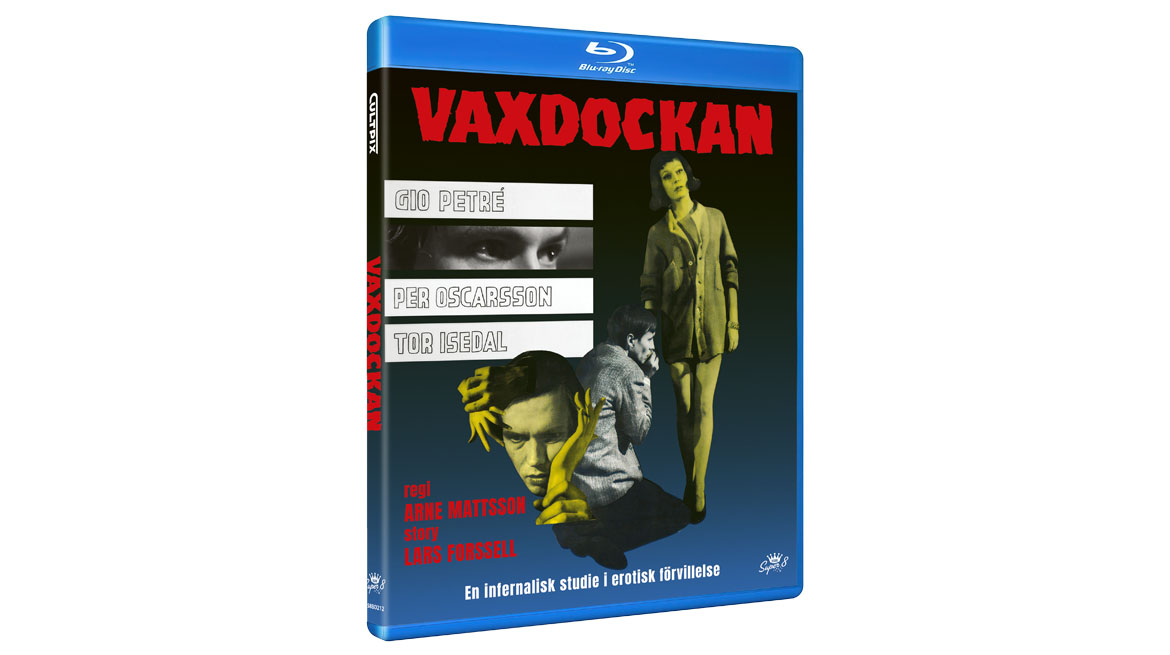
The film is now available for the first time in a digitally restored version by Filminstitutet, meticulously sourced from 35mm original negatives and 35mm tone negatives. The Blu-ray disc features an extensive array of bonus material, including a video essay on Gio Petré by Rickard Gramfors, an introduction by Mats Helge Olsson (who collaborated with both Arne Mattsson and Per Oscarsson), and a commentary track with film critic Joni Hyvönen and Rickard Gramfors (Klubb Super 8), alongside a gallery of posters and stills. Additionally, the release comprises Per Oscarsson’s directorial debut, Ebon Lundin (1973) – a tragicomic odyssey through Stockholm chronicling a misunderstood man who abandons his factory job. As he traverses the city in search of love and community, he extends aid to alcoholics, the impoverished, and the marginalized.
Klubb Super 8 provided review copies for this assessment. Material distributors exert no editorial influence on our reviews; we consistently maintain journalistic independence, prioritizing the interests of our readers and consumers.
