
TL;DR
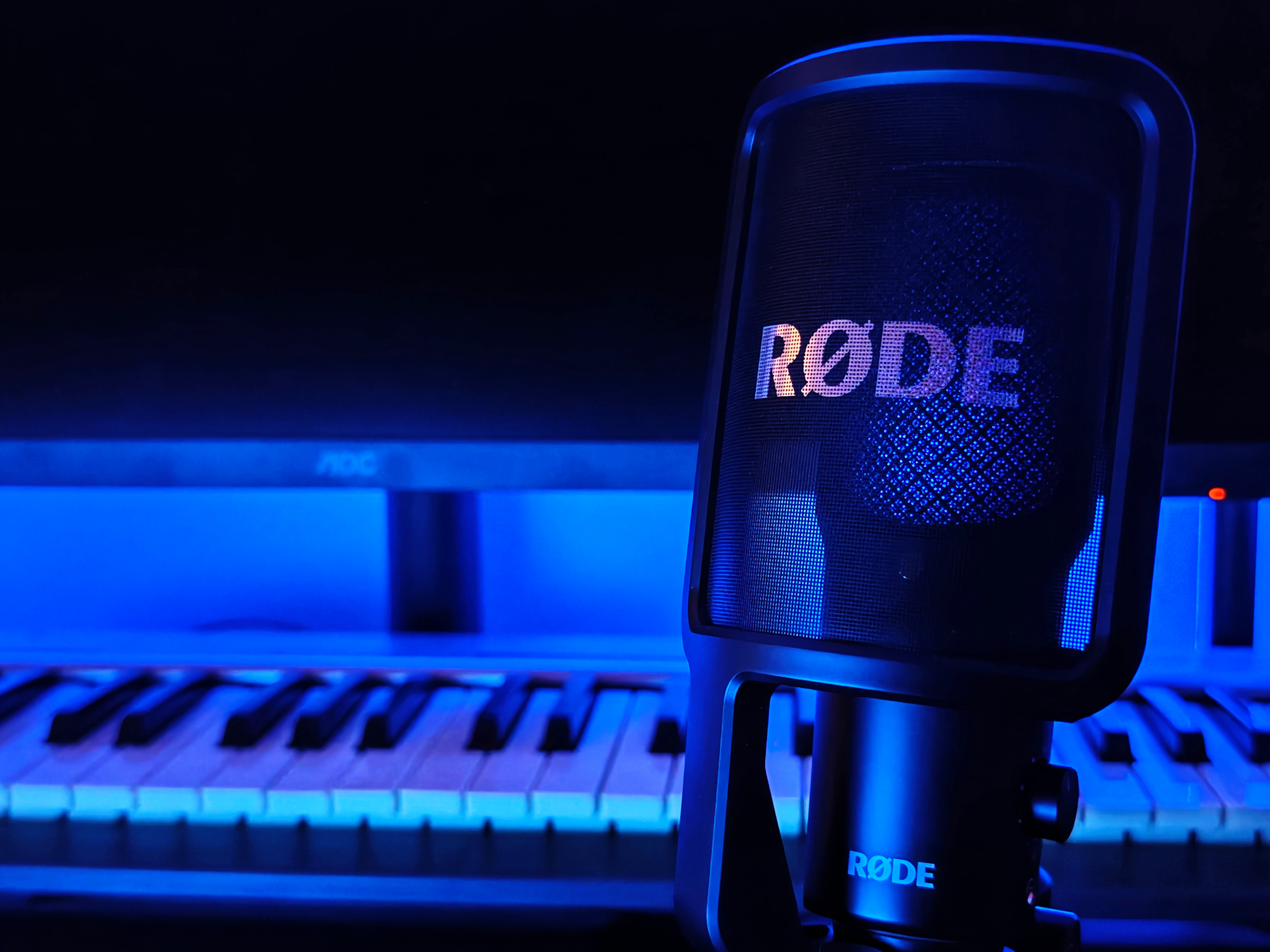
Røde, a brand with deep Australian-Swedish roots, has a rich history of innovation in audio, famously with their NT1 and VideoMic. Their latest offering, the Røde NT-USB+, is a premium portable USB microphone that excels at direct recording to phones, tablets, or computers, offering excellent build quality and crystal-clear audio. It features intuitive on-mic controls, robust bundled software with APHEX processing for audio enhancement, and a durable pop filter. While it lacks a physical mute button and gain dial found on some competitors, its overall value, user-friendliness, and high-fidelity sound make it a compelling choice, especially for mobile creators. Dive into the full review to see why this microphone earns an excellent rating.
Røde is a brand often associated with Scandinavian origins, given its name. While Swedish emigrants Henry and Astrid Freedman founded Freedman Electronics in Australia in 1967, the company’s roots trace back to Swedish heritage. Freedman Electronics quickly achieved recognition as an expert in speakers, amplifiers, various industrial electronics, and notably, microphones. It was around 1990 when Peter Freedman, Henry and Astrid’s son, significantly advanced the company’s focus on microphones, leading to the development of the iconic NT1. This microphone became one of the best-selling models of all time due to its combination of quality and affordability. Throughout the 1990s and early 2000s, Røde became an industry standard, ubiquitous in studios worldwide. An anecdote suggests the NT1 sold so well that it earned the nickname “Rodent1,” a playful phonetic blend of Røde + NT1. While the precise origin of this nickname is unconfirmed, it effectively encapsulates the product’s widespread adoption.
In 2004, Røde introduced its next innovation, the Røde VideoMic. This “shotgun microphone” featured directional recording capabilities, making it ideal for filmmaking applications. Røde consistently adapted to evolving market needs, exemplified by the release of the Podcaster microphone in 2007. This was one of the world’s first USB microphones, specifically designed for podcasting. The demand for high-quality, easily connectable computer microphones continued to grow, leading to the introduction of the NT-USB microphone in 2014.
This brings us to the focus of this review: the Røde NT-USB+, a high-quality portable USB microphone capable of direct recording to phones, tablets, or computers. During our evaluation, we identified both strengths and areas for consideration. While no single microphone is universally perfect, certain features of the NT-USB+ make it particularly well-suited for mobile recording scenarios.
The Freedman Group retains ownership of Røde today, ensuring that despite the company’s current global presence, its foundational legacy endures in the brand’s identity.
(Photo: senses.se)
A First Impression – Røde NT-USB+
The Røde NT-USB+ conveys a sense of premium quality from the moment of unboxing. The packaging, substantial weight, and overall tactile experience suggest meticulous engineering. “Luxurious” might not be the most precise descriptor; “quality,” “robustness,” and “engineered excellence” are perhaps more fitting. Ultimately, the perception of this distinction can be subjective.
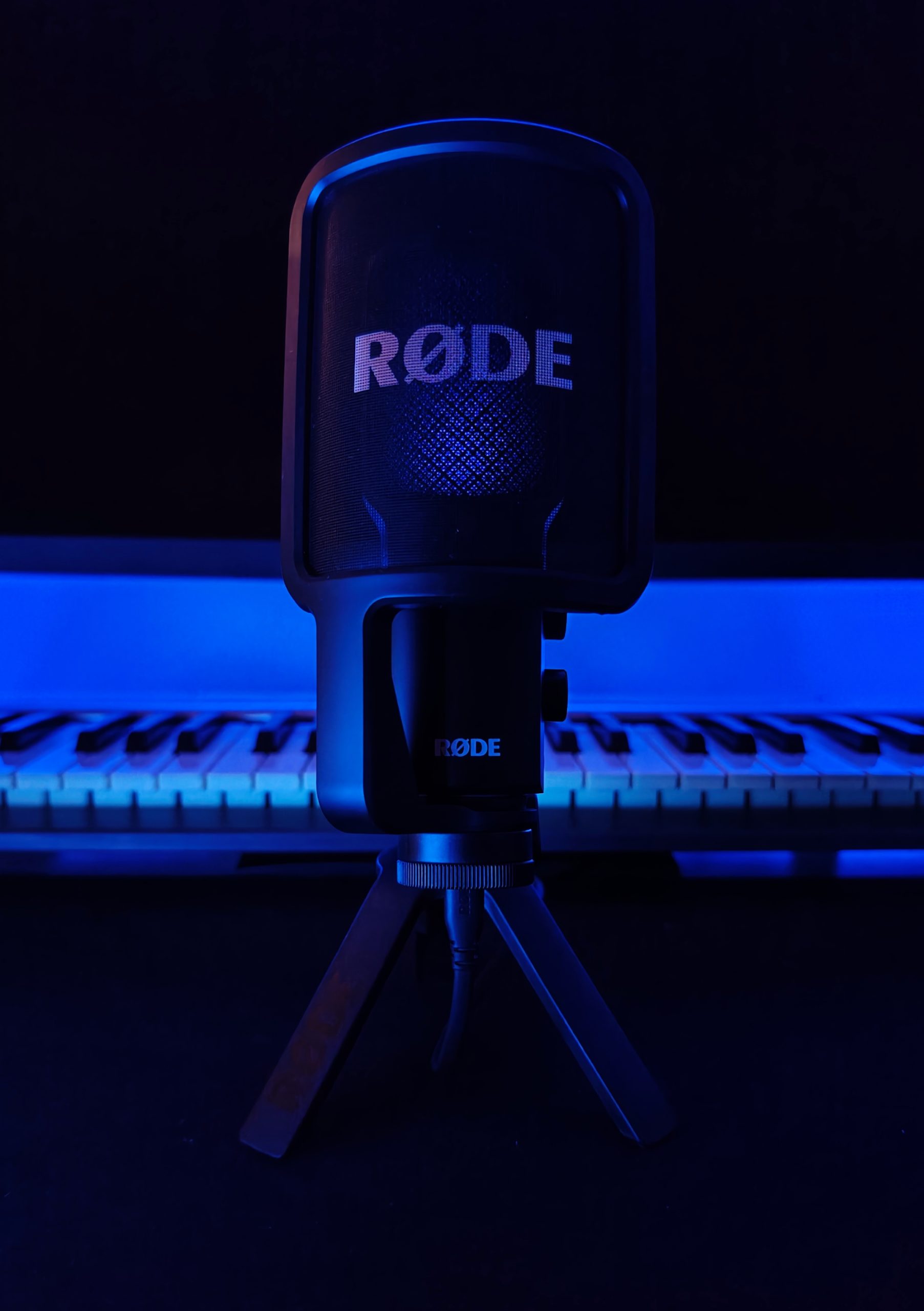
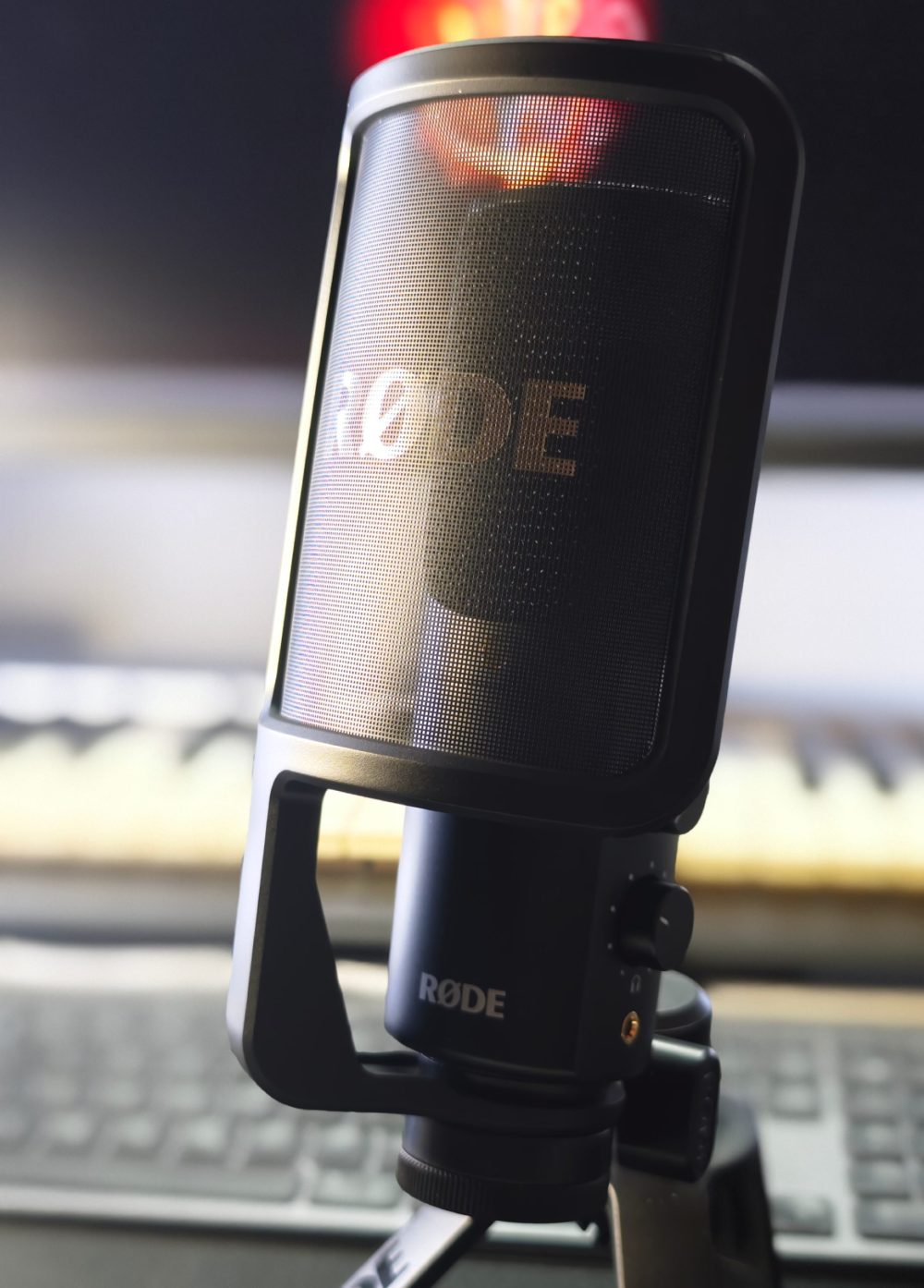
The microphone itself features an all-metal construction and weighs 540g without accessories. A pop filter, constructed from a metal mesh on a plastic frame, comes pre-mounted in the box. Setup is straightforward: simply screw the microphone onto its tripod, connect the ample three-meter USB-C to USB-C cable, route it under the microphone, and plug into your desired source. The USB-C connection is a significant upgrade from its predecessor, the NT-USB (which used USB-A), enabling compatibility with phones, tablets, Macs, or PCs. Upon connection, a small blue indicator light on the microphone illuminates, signaling readiness for use.
(Photo: senses.se)
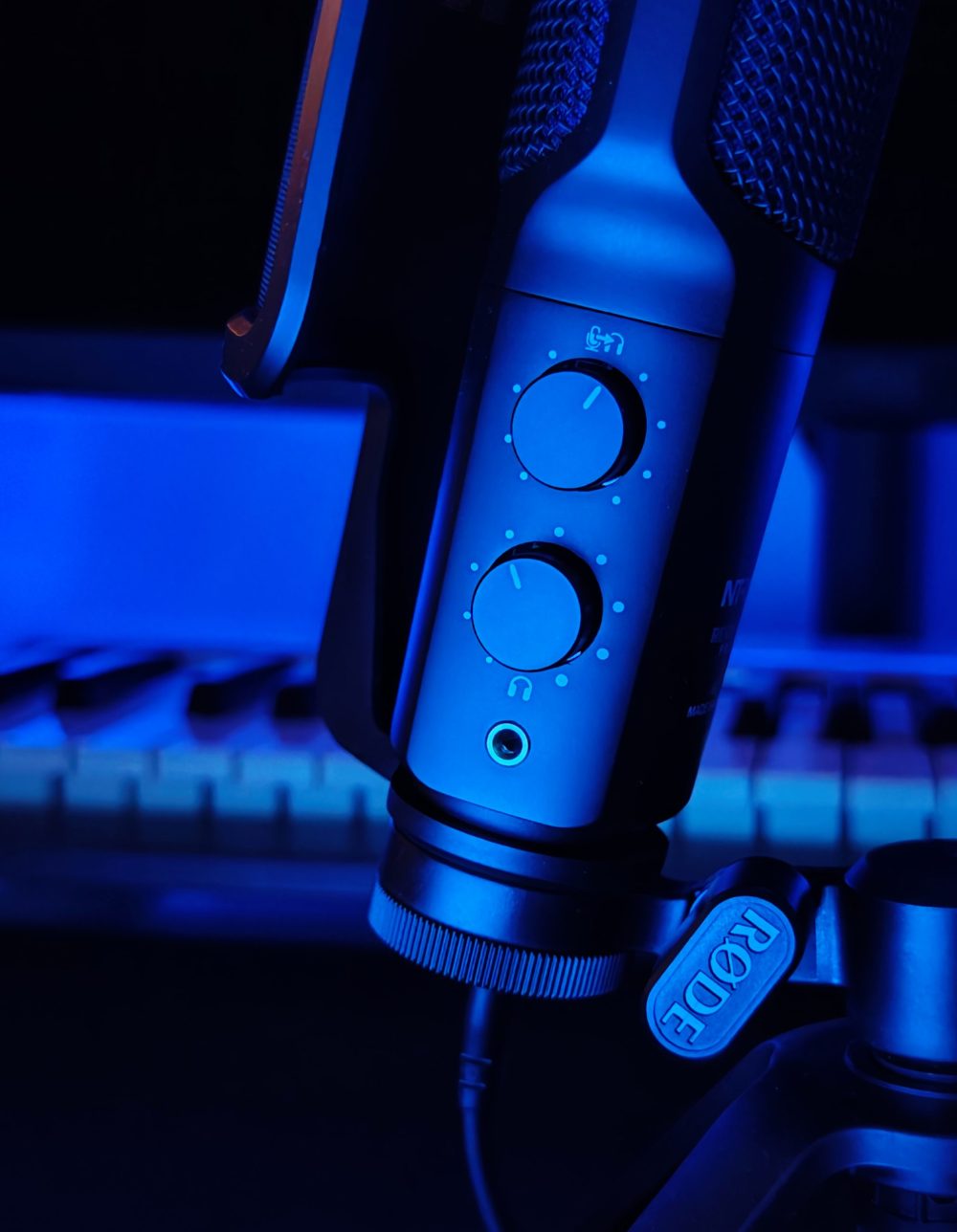
On the side of the microphone, two control dials and a 3.5 mm jack are present. One dial adjusts the volume of incoming audio, such as a caller in a conference or music when recording an instrument or vocals. For vocal recording, the second dial is crucial as it controls direct monitoring, blending your own voice with any incoming audio. This streamlined control scheme contributes to the Røde NT-USB+’s user-friendliness.
Røde Offers Software for Mac, PC, and Android
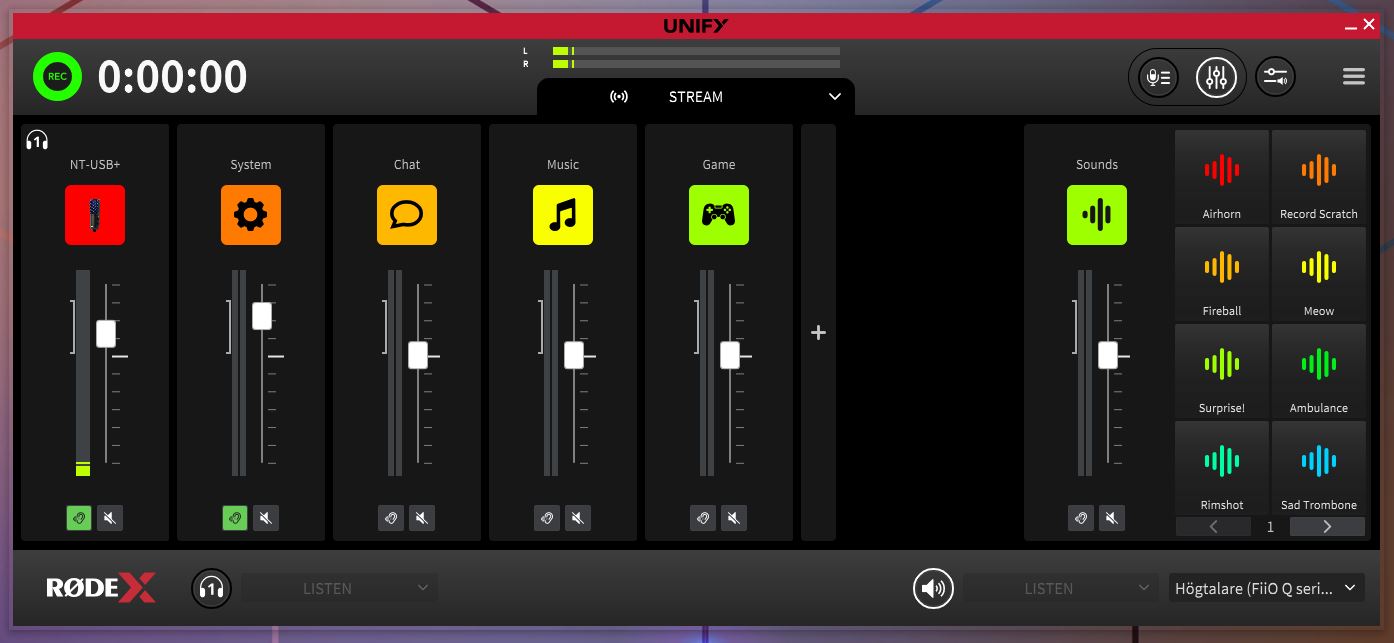
Four applications are available for download from the Røde NT-USB+ website. The first, Røde Unify, is a comprehensive software solution for content creation and streaming. Its integrated mixer allows simultaneous playback and recording of audio from a game, commentary video, the user’s voice, and optional background music. Each channel is clearly delineated, providing precise level control. Reflecting its podcasting heritage, Røde Unify also includes a library of sound effects, which users can expand with custom content. Røde Connect is a streamlined version of Røde Unify, primarily designed for simpler podcasting setups.
(Photo: Røde)
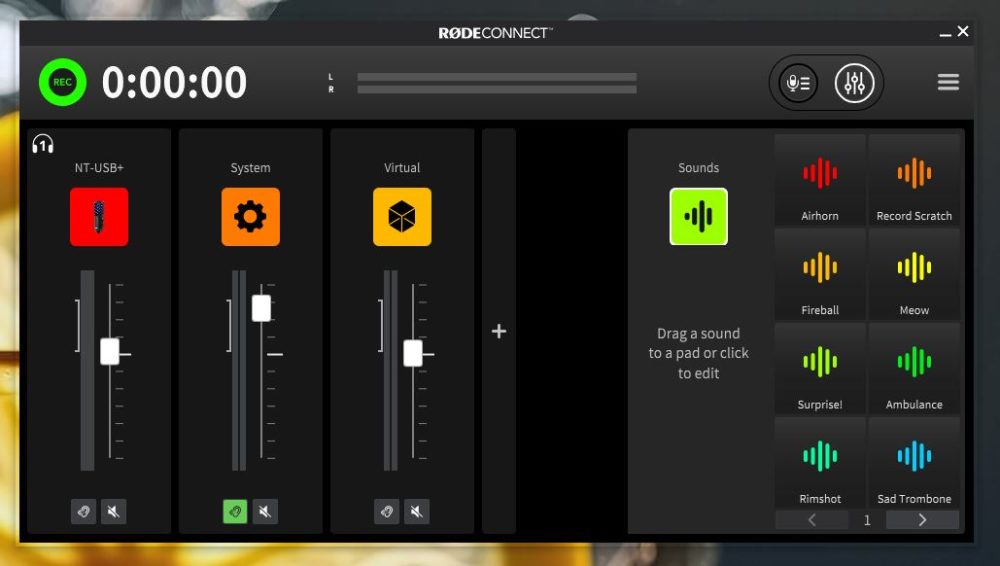
(Photo: Røde)
The third application is Røde Central, primarily utilized for configuring various connected Røde devices.
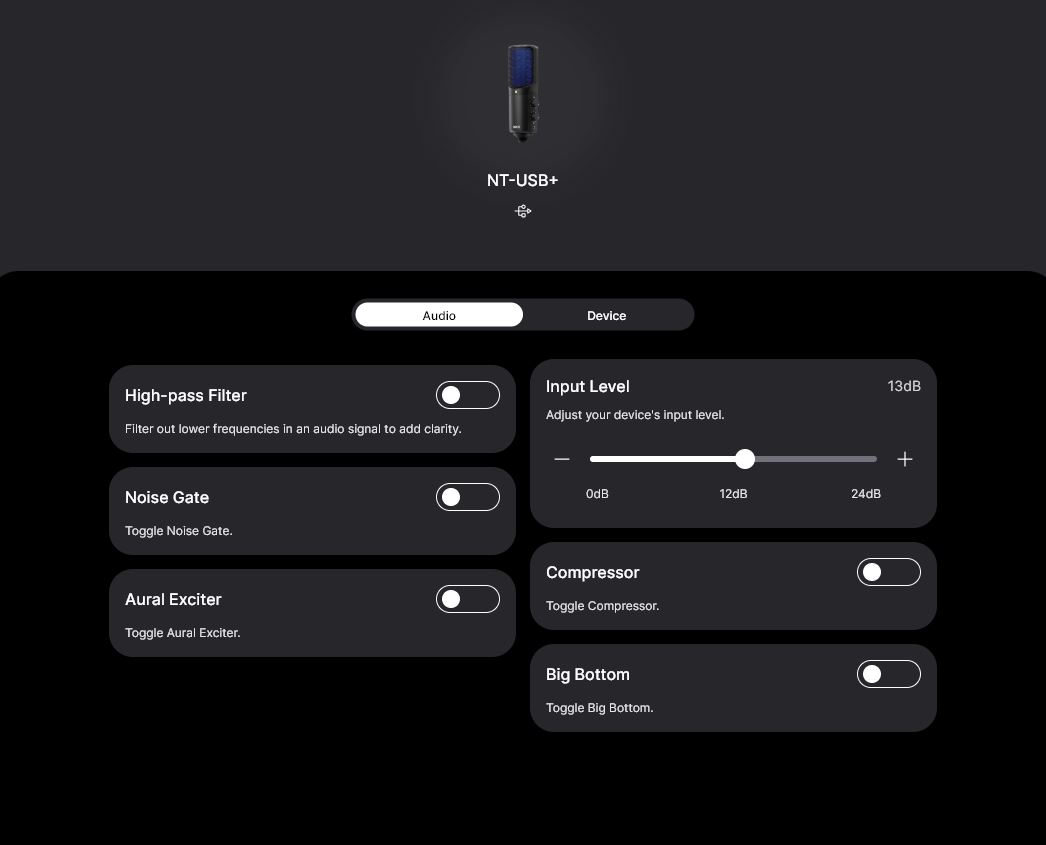
(Photo: Røde)
The fourth, Røde Reporter, is available on the App Store and Google Play, and is designed to bring many of the desktop functions (excluding the mixer) to your phone or tablet. Røde Reporter is distinctive as it operates independently of a Røde microphone, effectively transforming your phone into an advanced portable recording device. Users can adjust signal strength, utilize a visual guide for optimal audio levels, and select recording formats, choosing between Standard (48kHZ, 24-bit, WAV) or compressed (48kHZ, up to 300kbps, MP3).
Accessing the NT-USB+ channel within the software reveals APHEX processing options, offering several functions to enhance audio quality. A High-Pass filter can mitigate low-frequency rumble from sources like hum or fans. Noise Gate functionality clips audio signals below a specified threshold, reducing ambient noise. The Compressor reduces dynamic range by attenuating peaks and boosting quieter sections for a more consistent volume. The Aural Exciter enhances high-frequency clarity, while Big Bottom boosts lower frequencies, imparting a rich, resonant quality to the voice.
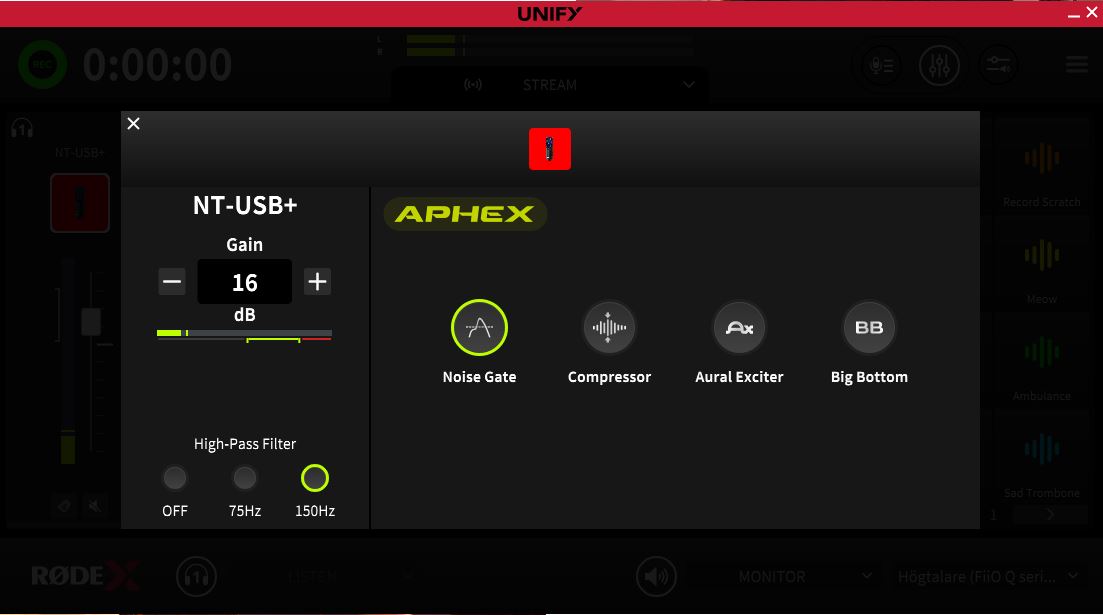
(Photo: Røde)
The Core – The Sound
The audio captured by the Røde NT-USB+ is exceptionally clear and rich. Its sensitivity is sufficient for detailed ASMR recordings, yet it capably handles speech, singing, guitar, and smaller percussion instruments. The microphone’s portable design enables high-quality field recordings, such as capturing percussive sounds from found objects, without compromising audio fidelity.
The sound profile is expansive, full-bodied, and possesses a depth that differentiates it from microphones like the Sennheiser Profile (based on comparative listening research, though not direct hands-on testing of the Sennheiser Profile).
The microphone employs a Cardioid Polar Pattern, meaning its primary sensitivity to incoming sound is from the front, with significantly reduced sensitivity from the rear.
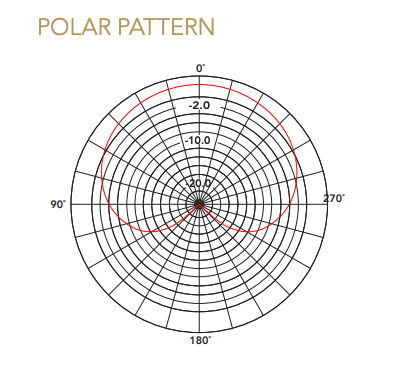
Consequently, the NT-USB+ may pick up some ambient room noise and is relatively sensitive to vibrations from handling the microphone stand or impacts to the surface it rests on. However, as noted previously, the APHEX suite offers effective software solutions to mitigate these issues without degrading the sound quality.
What We Appreciate…
The included pop filter with the Røde NT-USB+ is notably robust, featuring a plastic frame and metal mesh. Unlike many fragile pop filters that require careful handling, this design offers enhanced durability, a significant advantage for mobile users. The accompanying software, much of which can be used independently of the NT-USB+, is intuitive and user-friendly. For novice users, the clear incoming signal strength indicators provide valuable guidance, allowing easy monitoring of audio levels.
…and What We Believe Could Be Added
Two primary features, commonly found on many USB microphones (such as the Sennheiser Profile), were notable omissions. Firstly, the absence of a physical mute button. This function is critical for live broadcasting, and while available in the software and app, users often navigate away from these interfaces during live sessions. Reaching for a software-based mute button during an unexpected event can introduce a noticeable delay. While not a critical flaw, a physical control would significantly enhance user convenience.
Secondly, the Sennheiser Profile includes a physical gain dial for controlling incoming signal strength. While this feature would be beneficial, its absence is less impactful than a mute button, especially for studio-based users. For those not regularly conducting on-the-go interviews, adjusting gain via software is generally sufficient after an initial soundcheck and some familiarity with the device.
(Photo: senses.se)
Conclusion – Røde NT-USB+
Priced at approximately 1,600 SEK, the Røde NT-USB+ represents excellent value, particularly considering its robust build quality, high-fidelity audio capture, and comprehensive software suite. The microphone’s inherent simplicity and integrated assistance make it an accessible option for first-time buyers; it offers a substantial return on investment and high user satisfaction. Its robust construction also suggests a commendable operational lifespan.
With minimal shortcomings, the Røde NT-USB+ earns an excellent rating. We encourage our readers to anticipate further evaluations from this Australian-Swedish brand, which has consistently delivered exceptional audio solutions for many years, offering a diverse range beyond just microphones.
Røde provided review samples for this test. The provision of materials does not influence our editorial independence; our reviews prioritize the interests of our readers and consumers.
