

TL;DR
Nacon's RIG R5 Pro wired headset is a budget champion, bringing premium "graphene drivers" to a more accessible price point. These drivers deliver incredibly detailed, fast, and precise sound, making it a dream for pinpointing enemies in competitive games and immersing yourself in atmospheric titles. It's ultralight, comfortable for long sessions, and features a handy flip-to-mute mic. While it sacrifices deep, rumbling bass for clarity and lacks wireless convenience, it offers an "audiophile-light" experience that punches well above its weight, especially for PS5 and PlayStation Portal users. Curious if this tech upgrade lives up to the hype? Read on for the full breakdown.
The gaming headset market has exploded in recent years, and amidst the intensely competitive gaming headset market, accessory manufacturer Nacon is launching a new contender: RIG R5 Pro (also known as RIG R5 SPEAR PRO HS). For those who find the RIG brand familiar, it originated with Plantronics (a brand we extensively reviewed and held in high regard for approximately a decade), but since Poly established its presence and shifted focus to office accessories, the gaming division is now owned and managed by French Nacon, which historically has focused on esports and lightweight design. With the R5 Pro, Nacon advances its offerings by introducing “graphene drivers” in the budget class – a technology we normally see in significantly more expensive hi-fi headphones.
We’ve thoroughly tested this wired lightweight headset on the PlayStation 5 Pro and, most notably, the Playstation Portal, to see if the new technology genuinely enhances the gaming experience, or if its benefits are primarily promotional.
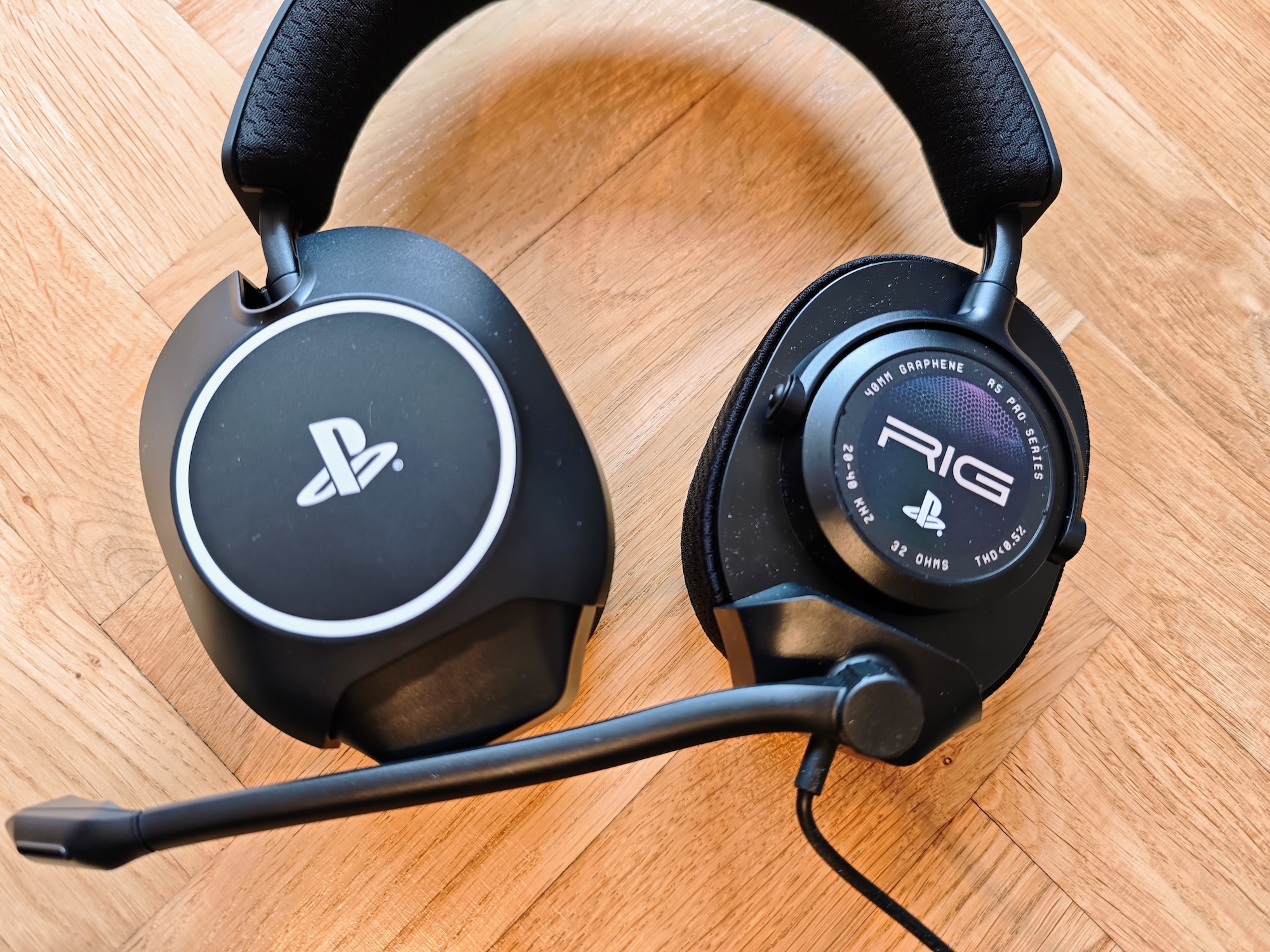
First Impressions and Design
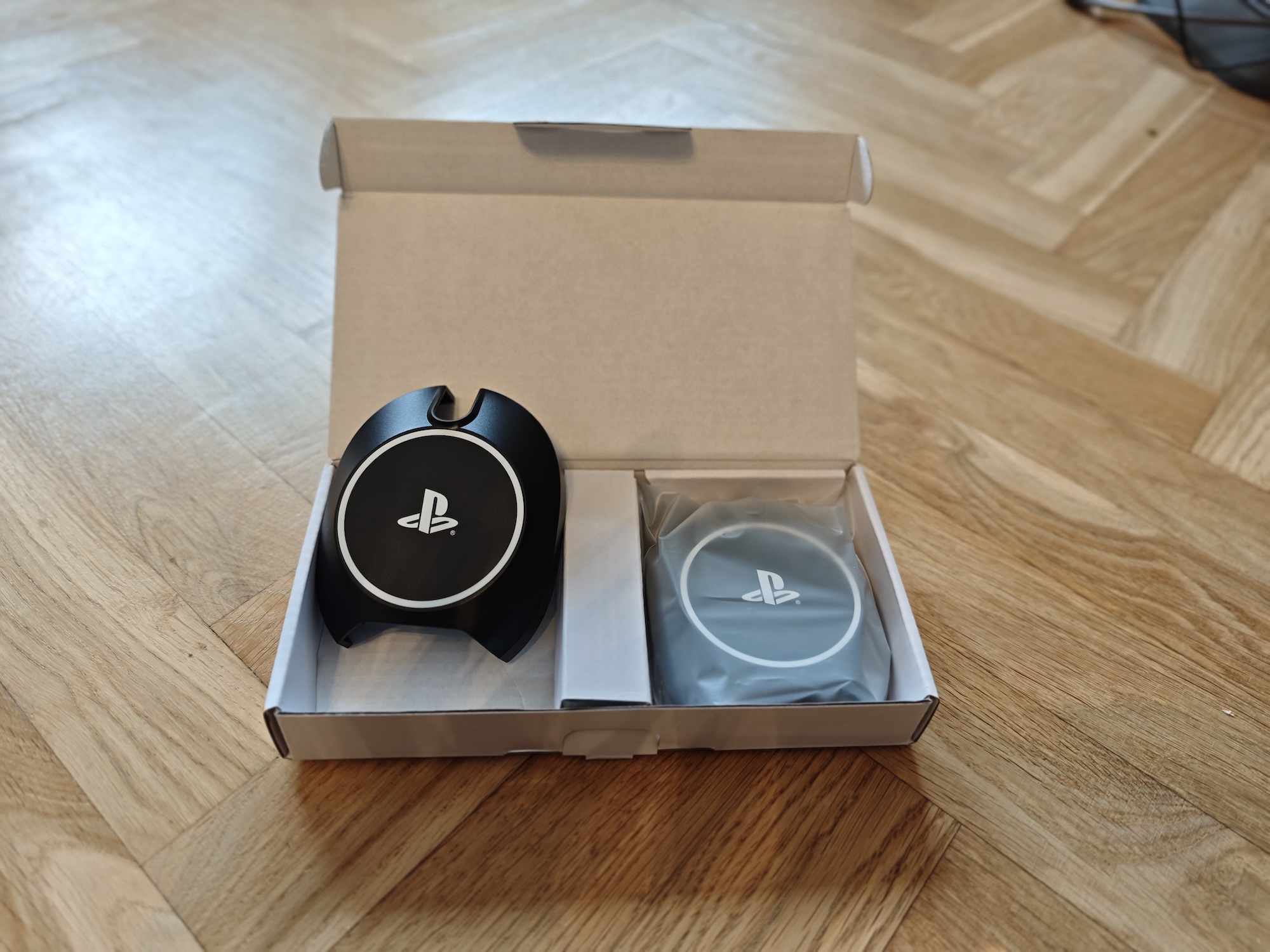
When we unbox the RIG R5 Pro, we recognize the signature RIG design philosophy, although it has evolved under Nacon’s stewardship. The design is still ultralight (only about 268 grams), but the earcups now feature a new “Snap+Lock” system. This means you can easily snap off the outer part of the earcups to change their appearance. It initially presents a somewhat plastic feel, but the finish is acceptable for the price range and feels robust enough for everyday use.
The ear cushions are covered in a performance-oriented, breathable fabric material. This is comfortable during long gaming sessions, but it also means a degree of sound leakage occurs, particularly in the lower frequencies. The fit is, a preferred design characteristic, “floating” and doesn’t squeeze the scalp, which is a significant advantage for glasses wearers.
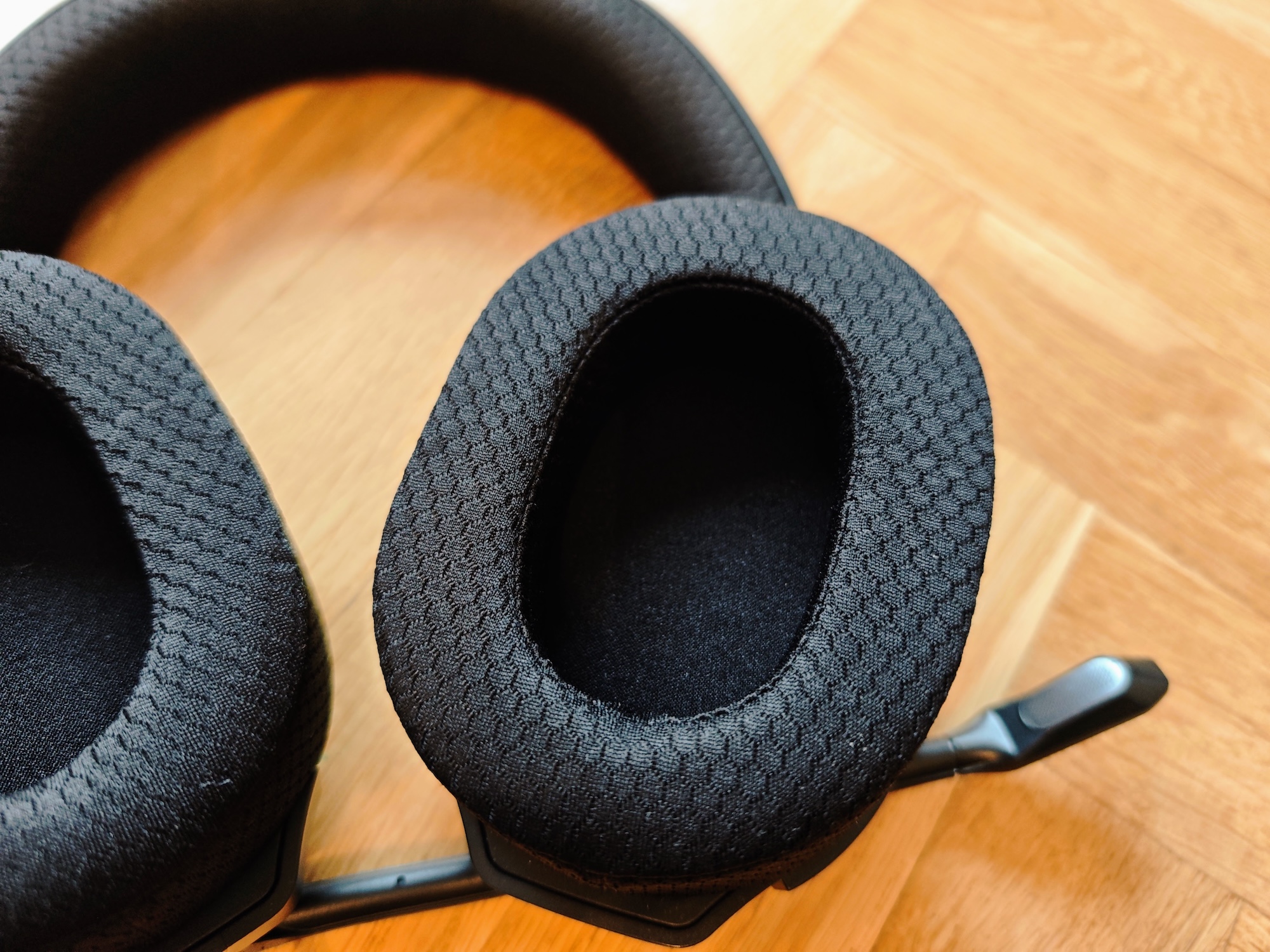
Technology and Features
At the heart of the R5 Pro are the new 40 mm drivers enhanced with graphene. The underlying principle is that this material’s exceptional lightness and stiffness reduce distortion and provide a faster sound response – something crucial for pinpointing sounds in a 3D environment.
From a specification standpoint, the headset offers a frequency range of 20 Hz – 20 kHz, covering the entire audible spectrum. Even more important for console gamers is the impedance of 32 Ohm. This makes the headphones extremely easy to drive; you don’t need an external amplifier to get ample volume and power directly from your DualSense controller or PS Portal.
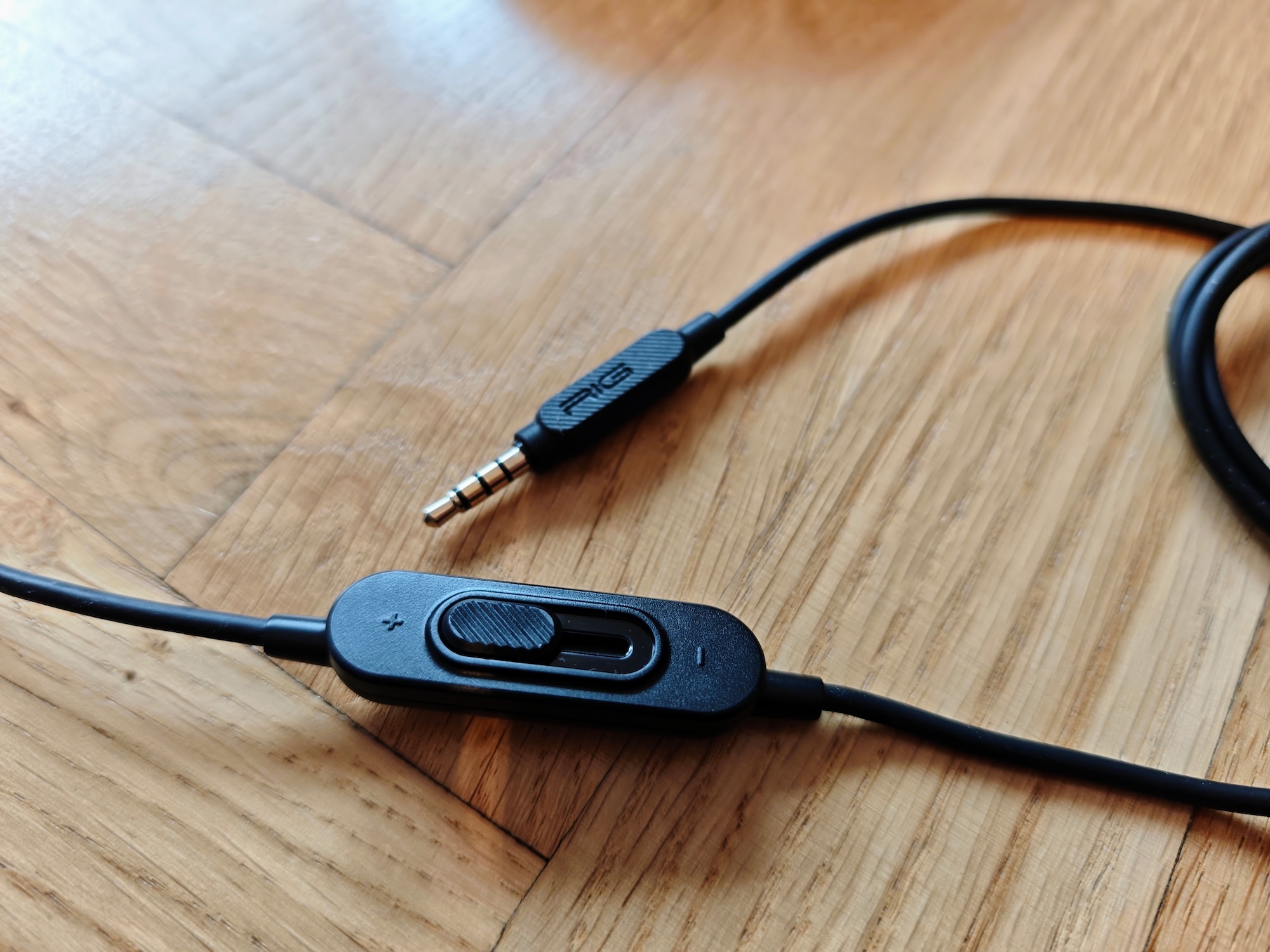
The headset is fully analog and wired (3.5 mm), and the advantage of this is that it means zero lag when you plug it in. This design choice circumvents common issues such as application glitches, the necessity of charging active noise cancellation (ANC) features, or delays for firmware updates. The volume control is smoothly integrated; we noted that it could benefit from greater fluidity and a finer degree of adjustment; in practice, adjusting the volume via the console’s interface often proved more convenient. Collectively, its design is simple, functional, and optimized for Sony’s own Tempest 3D Audio, which significantly enhances the gaming experience.
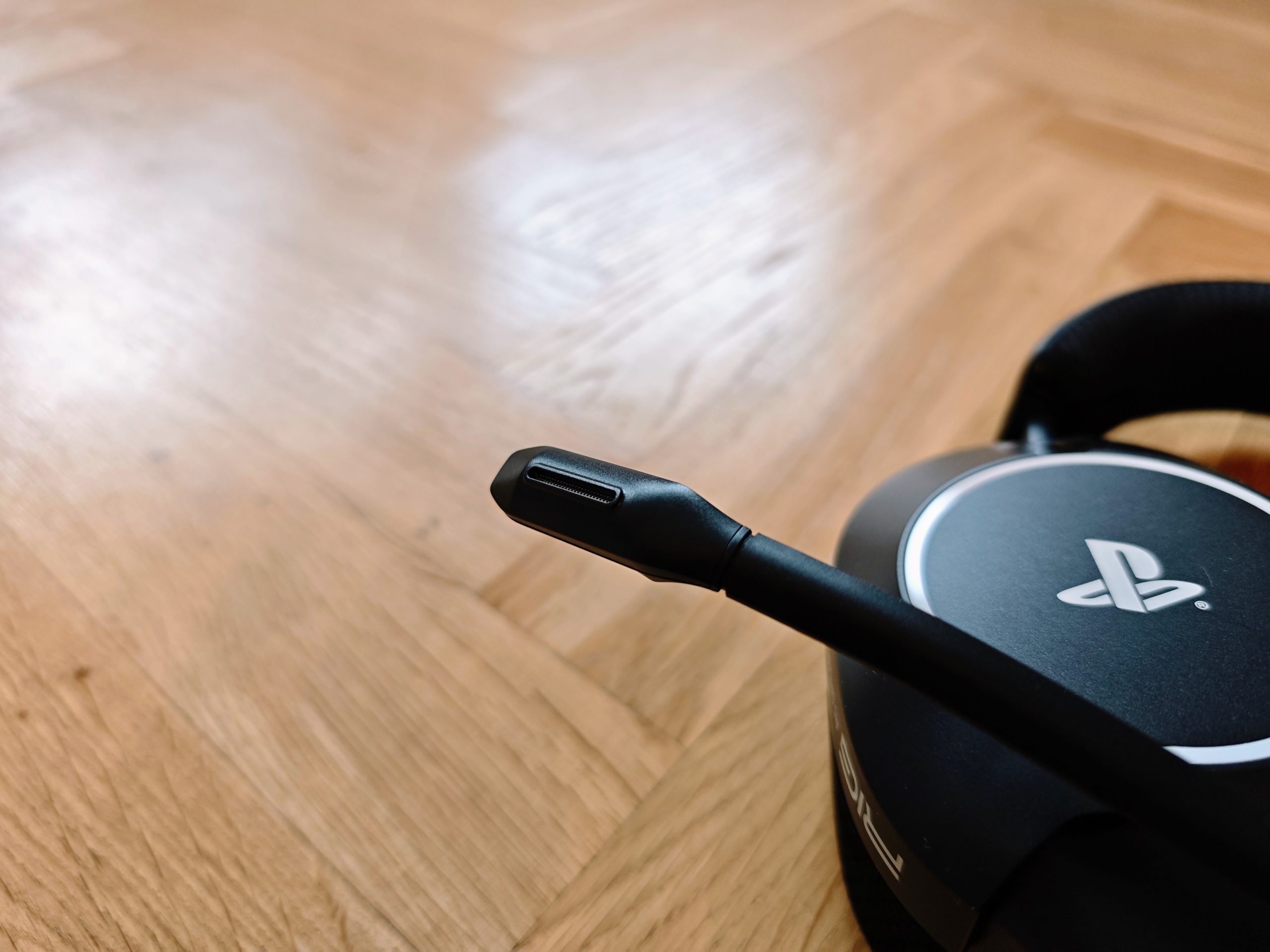
The microphone is the classic “flip-to-mute” type, a feature long associated with the RIG brand. Flip the boom up to mute, flip it down to talk. The sound quality of the mic is surprisingly good for the price range. Because it’s wired, the wired connection bypasses the compression often associated with wireless headsets. Your voice is reproduced naturally and clearly in party chat. While it doesn’t filter out background noise as aggressively as software-controlled high-end headphones, your teammates are unlikely to discern every button press on your controller. It’s functional, clear, and reliable.
Sound Quality RIG R5 Pro
So, how do the graphene drivers perform when we evaluate their performance with PlayStation’s classic titles?
We start by testing the dynamics in God of War: Ragnarök. When Kratos swings his Leviathan Axe, we immediately notice the difference compared to older RIG models. The bass is significantly “faster” and more distinct. Each hit has a snappy attack (a “thud” rather than a “boom,” underscoring its precision) that is impressive. However, it lacks that truly deep, physical impact that resonates during significant explosions; it’s a more analytical and “correct” bass that prioritizes sonic clarity and the accurate reproduction of events over overwhelming low-frequency impact.
To test details and positioning, we switch to The Last of Us: Part 2. Here, the R5 Pro excels. The detail in the quiet sections is remarkable for its price range. Dropping water and the Clickers’ hair-raising sounds are placed with eerie precision in the soundstage thanks to the graphene drivers’ fast response. It feels open and airy, and enemy positions are clearly discernible, demonstrating that the headset handles 3D audio brilliantly.

To assess its resolution capabilities, we conducted a music test, featuring the acclaimed Susan Wong and her cover of Sound of Silence. This is where gaming headphones often reveal their shortcomings, but the R5 Pro delivers unexpectedly crisp treble. Guitar strings resonate clearly and the vocals are rendered with intimacy and proximity, without the “boxiness” that often plagues the budget segment. This confirms that these headphones handle subtle nuances just as well as action.
Summary RIG R5 Pro
The RIG R5 Pro is an impressive step forward for Nacon. Integrating graphene drivers at this price point is a notable achievement; it delivers detailed, fast, and airy sound that elevates the gaming experience in titles like The Last of Us and FPS games like Call of Duty. It provides an “audiophile-light” experience, where some deep, resonant bass is de-emphasized in favor of clarity and precision. At the same time, users must also acknowledge that wired connectivity is the sole option, which, while not a dealbreaker, inherently offers less convenience than a fully wireless solution.
If you’re looking for wireless connectivity and the most impactful low-frequency response for cinematic explosions, alternative headsets prioritizing a more conventional bass profile might be preferred. But if you seek a competitive edge and desire to hear every detail in an ultralight package and at a good price, then the R5 Pro presents a compelling option for your Playstation Portal or PS5.
Nacon provided review units for this test. The provider of the material has no editorial influence on our reviews.
