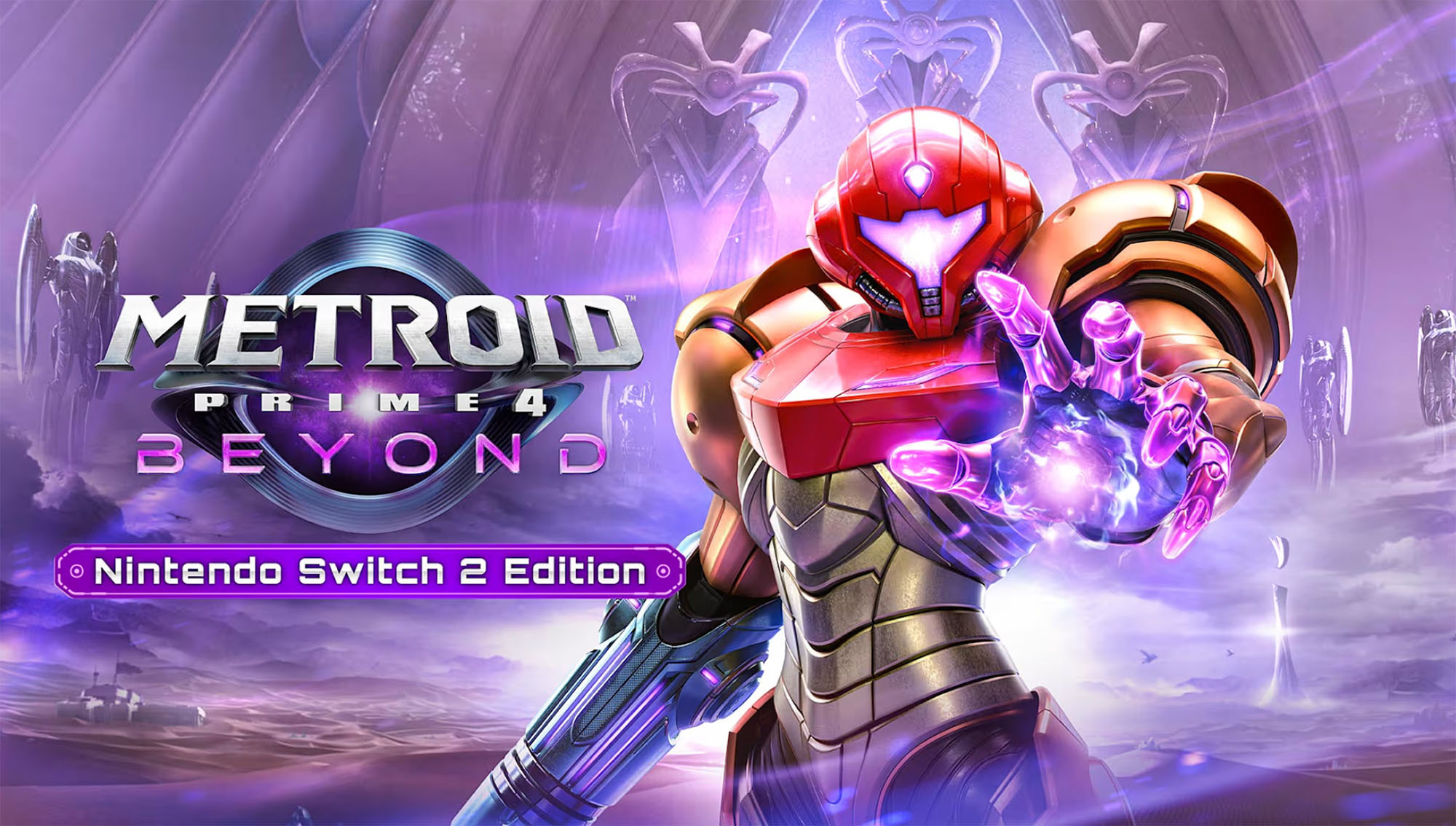

TL;DR
Samus crash-lands on the alien world Viewros, forced to use her psychic powers and super-bike Vi-O-La to survive and escape. While the game offers a fresh perspective and a charming aesthetic, the controls can feel a bit loose initially, though adjustable. Enemy variety is inconsistent, with some too easy and others too tough. Crucially, Metroid Prime 4: Beyond shines on the Nintendo Switch 2, delivering smooth 60 FPS or even 120 FPS gameplay with impressive visuals and quick loading. It's a fantastic showcase for the new console, whether you're a long-time fan or new to the Metroid universe. Discover why this entry is a must-play – read the full review!
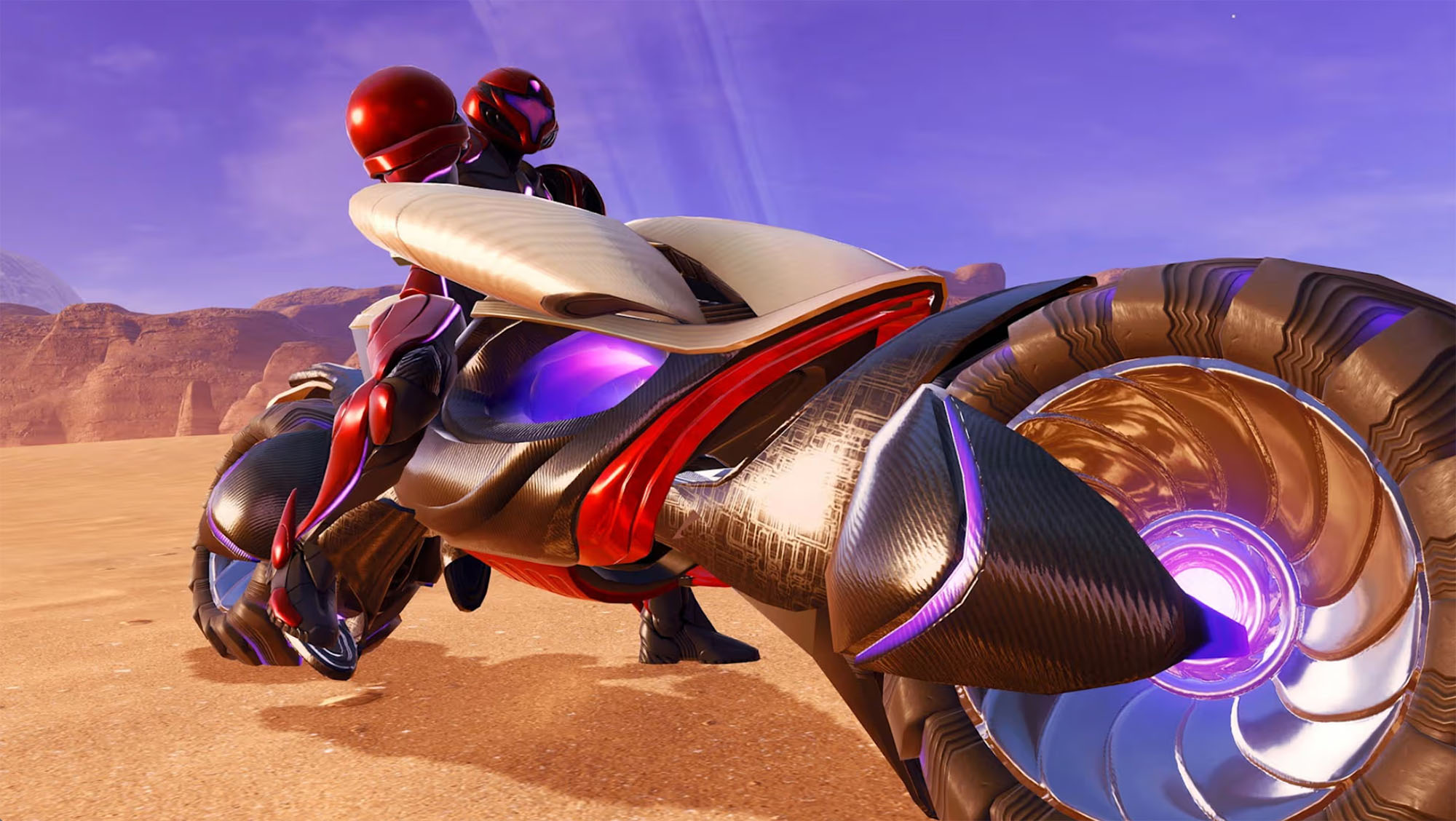
Following an incident, Samus crash-lands on the enigmatic planet Viewros. Here, success hinges on meticulously examining environments, gathering every crucial clue, and maximizing the performance of her arsenal and equipment. With newly manifested psychic abilities — and the highly advanced motorcycle Vi‑O‑La — she navigates a world decidedly hostile towards her. Survival, navigation, and eventual escape from this perilous environment demand the full utilization of her available resources.
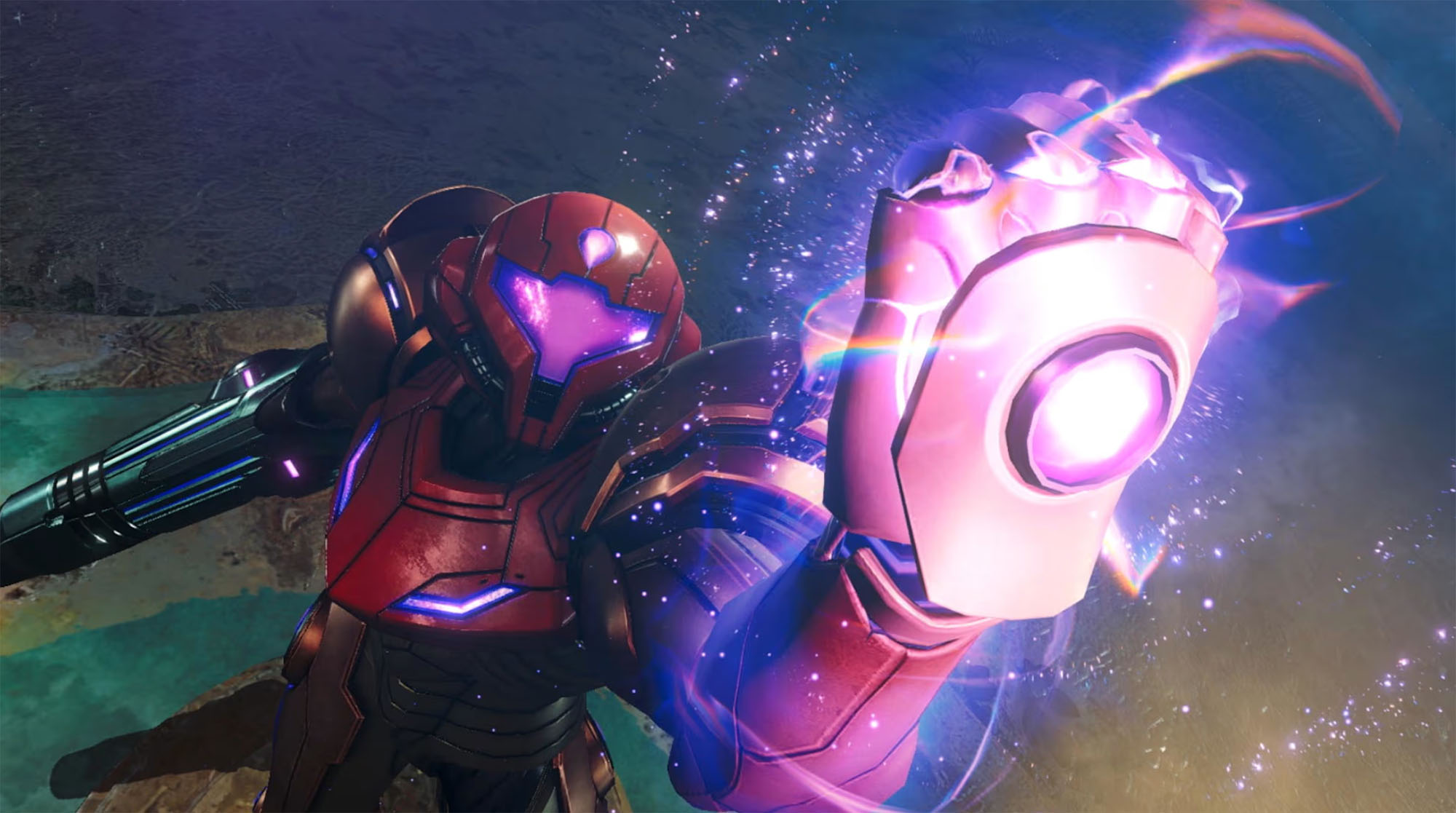
The Metroid Series’ Long History
The Metroid series now comprises *twelve* games, and its expansive 40-year history can make tracking its timelines and prior events challenging. Metroid Prime 4: Beyond serves as a direct sequel to Metroid Prime 3: Corruption, which was released in 2007. In the interim, Metroid Prime: Federation Force was released for the Nintendo 3DS, a title we reviewed here on Senses upon its release in 2016.
Prior Knowledge and Control Scheme
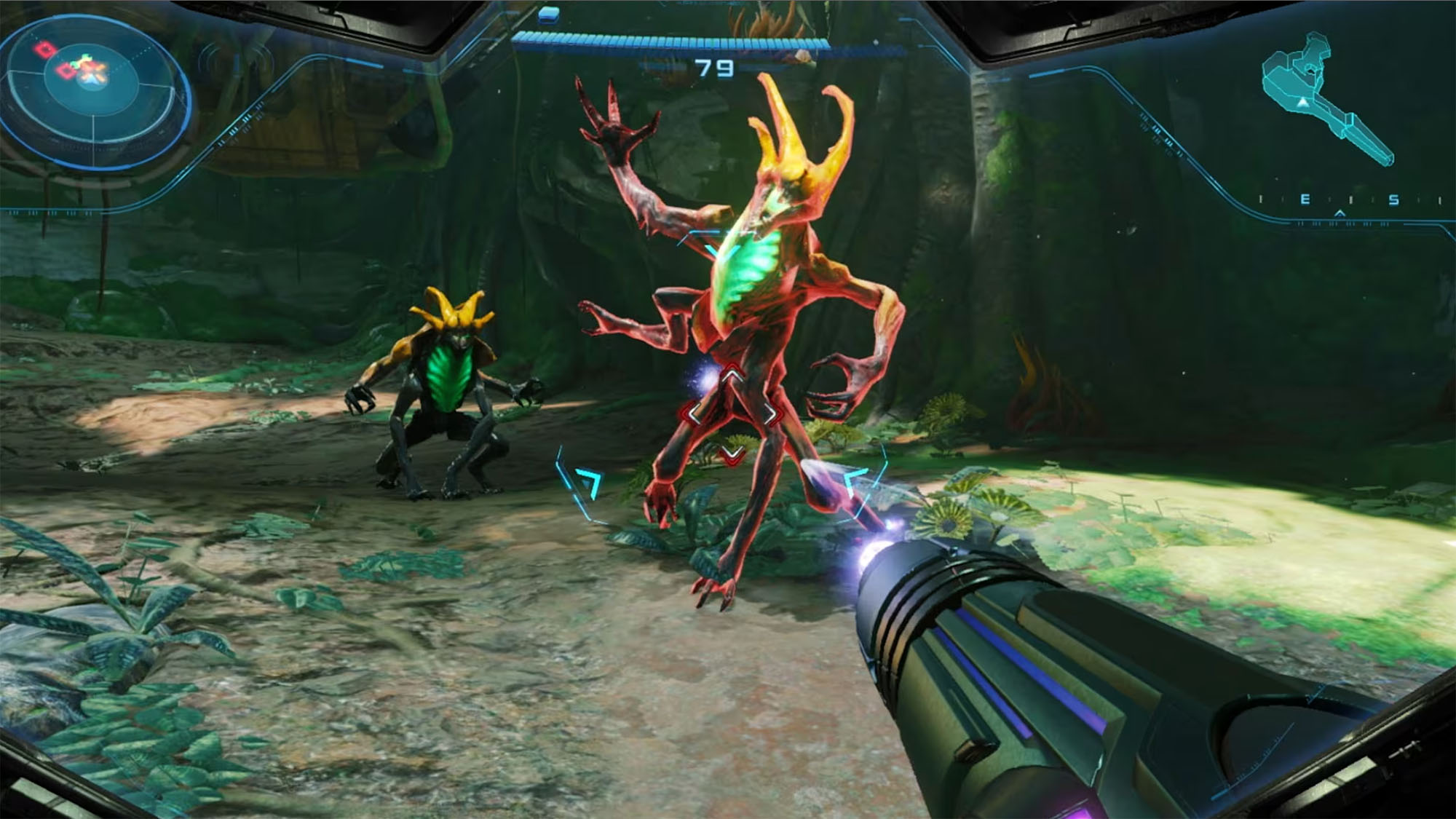
Approaching this twelfth installment without prior personal connection or nostalgia for the Metroid series, I experienced it with a fresh perspective. Players are immediately immersed in the action, and the control scheme clearly reflects its development for the Switch platform. The game supports both traditional controller input and individual Joy-Con usage, leveraging gyro functionality for in-game movement. This latter method proves particularly effective in ball mode.
I personally found the individual Joy-Con configuration to be less intuitive, leading me to prefer a traditional controller for optimal gameplay. The game is graphically pleasing, exhibiting a clean aesthetic that, for an FPS, borders on charming. The control scheme is intuitive, complemented by continuous, clear in-game tutorials guiding player progression.
Gameplay Feel and Design Choices
Upon initial engagement, the gameplay experience did not immediately align with the fluidity expected of a contemporary first-person shooter. A discernible, yet initially elusive, sense of awkwardness and lack of precision permeated the control scheme. Initially, the controls exhibited excessive looseness, impeding precise aiming and character movement. Through subsequent adjustments to the settings, an acceptable level of responsiveness was achieved.
The enemies also exhibit a notable inconsistency. Certain adversaries remain stationary or largely inert, rendering them trivial to eliminate, while others move with such agility that accurate targeting becomes exceptionally challenging.
Performance on Nintendo Switch 2
I tested the game on Nintendo Switch 2, and it is evident that the game was optimized for this console. In Quality Mode, docked gameplay achieves a consistent 60 FPS at 4K resolution. Handheld mode maintains 60 FPS at 1080p. While my preference typically leans towards higher frame rates over graphical fidelity, in Performance Mode, the game delivers an impressive 120 FPS at 1080p in docked configuration and, remarkably, 120 FPS at 720p in handheld mode.
The trade-off for this increased frame rate is a reduction in resolution from 4K to 1080p, which can result in noticeable texture aliasing on larger displays. Consequently, I opted for Quality Mode in docked play and Performance Mode for handheld sessions. The fluidity offered by such a high frame rate in handheld mode is exceptionally impressive.
Difference from the Standard Switch
On the standard Switch, the game is capped at 30 FPS, significantly underperforming compared to the newer console. Owners of the original Switch version can upgrade to the Switch 2 edition for a nominal fee of a hundred kronor, a significant improvement that is genuinely recommended.
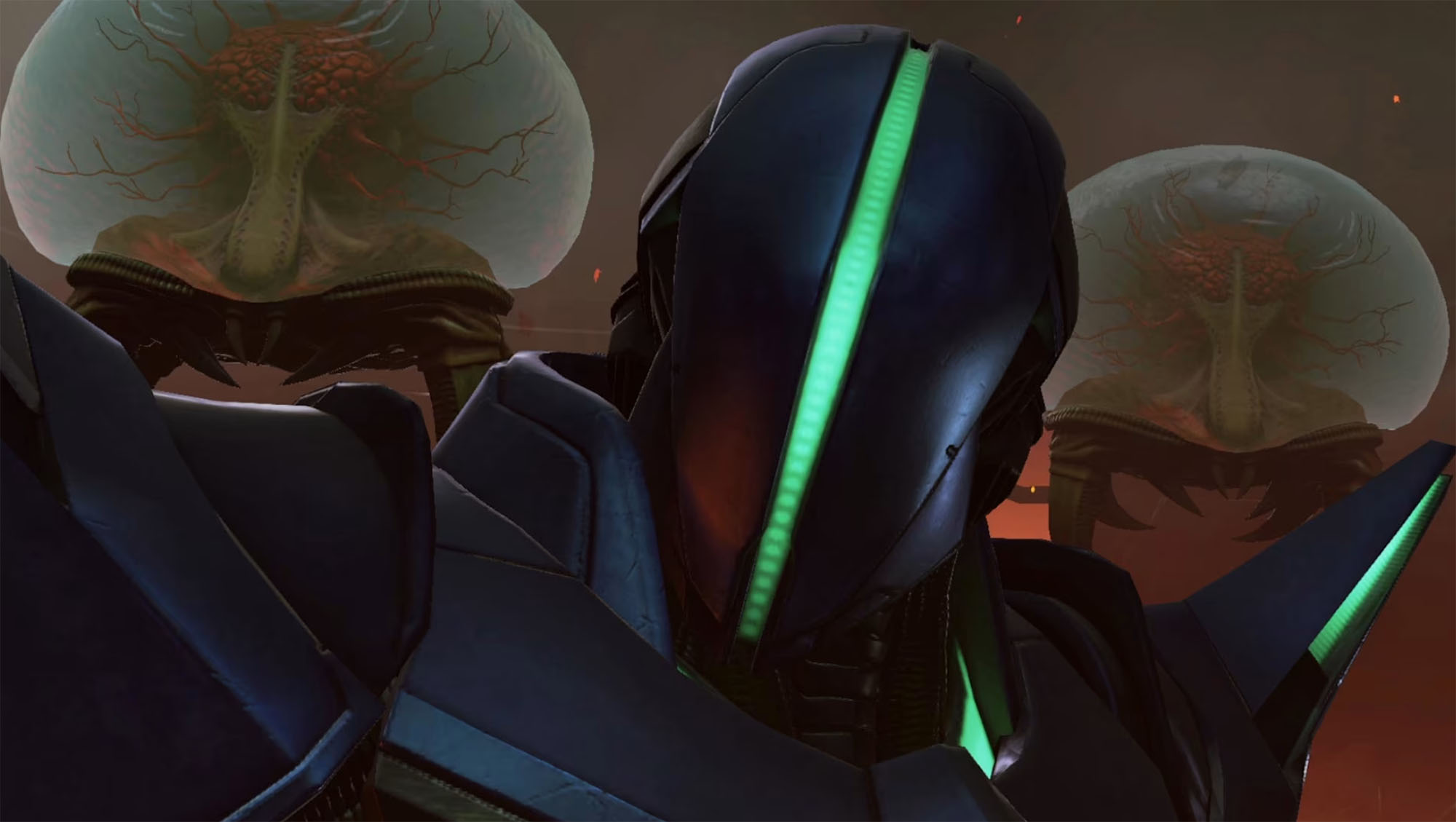
I wholeheartedly recommend Metroid Prime 4: Beyond. This title serves as a compelling demonstration of the new console’s capabilities. Despite minor reservations regarding the resolution reduction in Performance Mode, the experience of a Nintendo game running at 120 FPS is immensely enjoyable. Further underscoring its optimization for the Switch 2, loading times are remarkably brief, even in handheld configurations.
This release offers a long-awaited opportunity to experience the next chapter in the Metroid series. Alternatively, it presents an excellent entry point for new players.
Nintendo provided a review code for this test. The provider of the material has no editorial influence on our reviews.
