
TL;DR
JLab's JBuds Lux ANC offer a compelling package for budget-conscious buyers, boasting impressive battery life, decent hybrid ANC (though sensitive to wind), and a surprisingly effective USB-DAC feature for uncompressed audio. While the plastic build and inconsistent fit for larger heads might be drawbacks, the comfortable earcups and solid sound with app customization make them a strong contender. They also include smart features like volume limiting and wireless audio sharing. If you can overlook the build and wind issues, these are a great value. Read the full review to see if they're the perfect affordable headphones for you!
JLab is a brand that not everyone might be familiar with, but they have recently become known for delivering affordable products that often perform above their price tag. We have previously tested several competitors in the sub-thousand-kronor segment, such as EarFun Tune Pro, and recognize the intensity of the competition. Now it’s time to test the JLab JBuds Lux ANC, which are the first headphones from JLab we’ve reviewed.
On paper, it presents a promising profile with impressive battery life, hybrid ANC, and USB-DAC. All this for a price tag that often ranges between 600 and 1,000 SEK. Do they live up to these specifications in real-world use? We aim to discover just that.
Design and Comfort

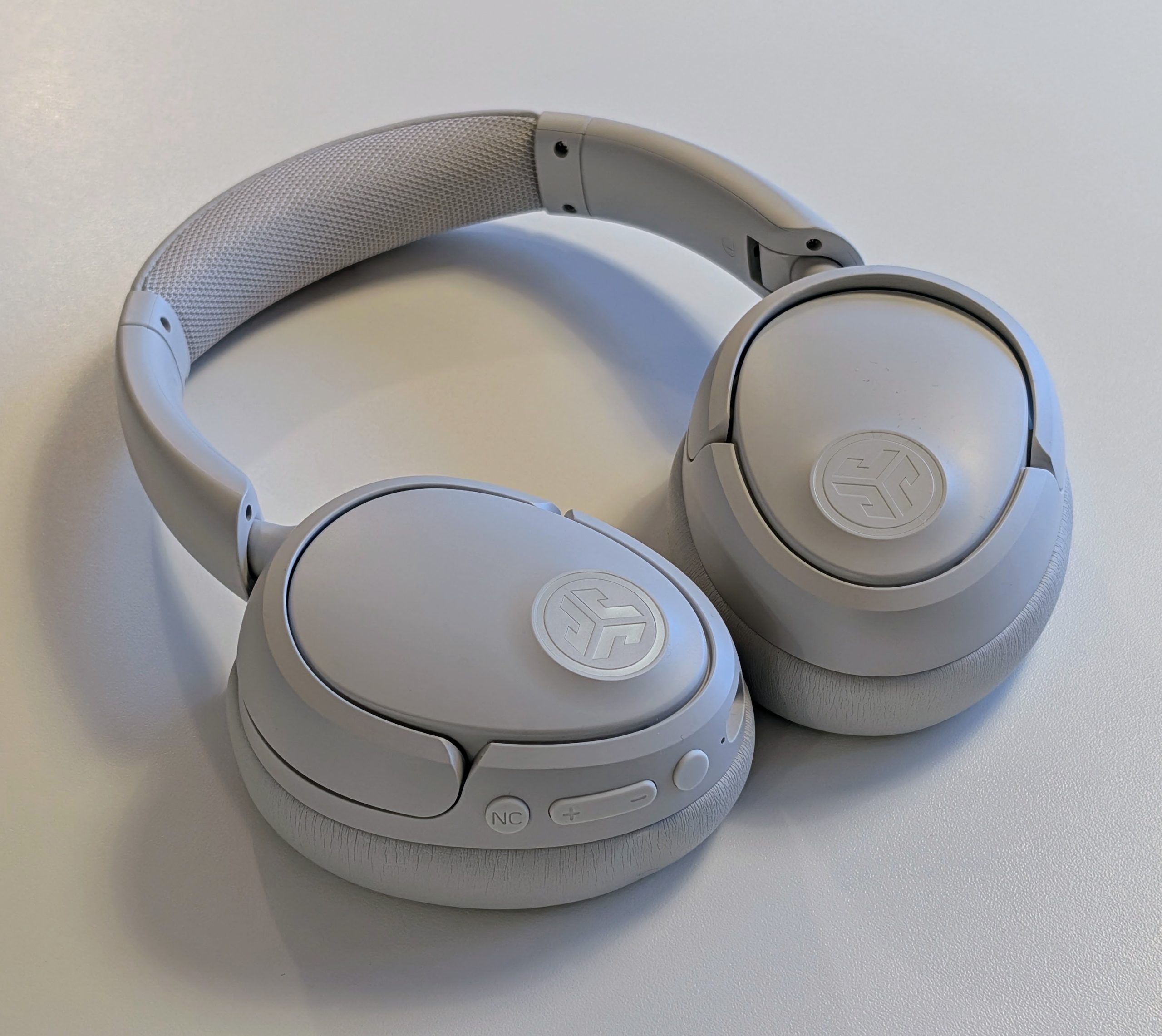
When unboxing the headphones, the initial impression is that they feel predominantly plastic. They do not convey a premium feel, and there’s a complete lack of IP rating, which means users need to exercise caution as they are not resistant to moisture or rain. They weigh a light 235 grams and can be easily folded to take up less space in a bag, but unfortunately, no travel case is included.
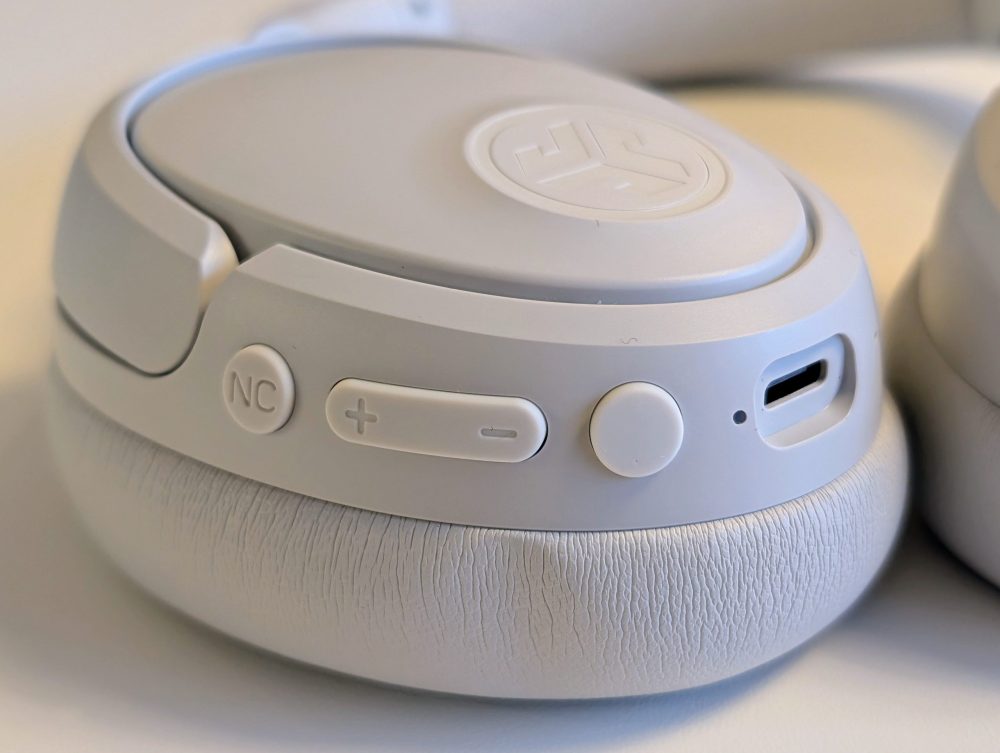
The headphones have physical buttons on the right earcup to control volume, ANC, and playback. These are rubber buttons that reinforce the somewhat plastic aesthetic. They still provide decent feedback, although it’s difficult to distinguish between the power button and the ANC control button.
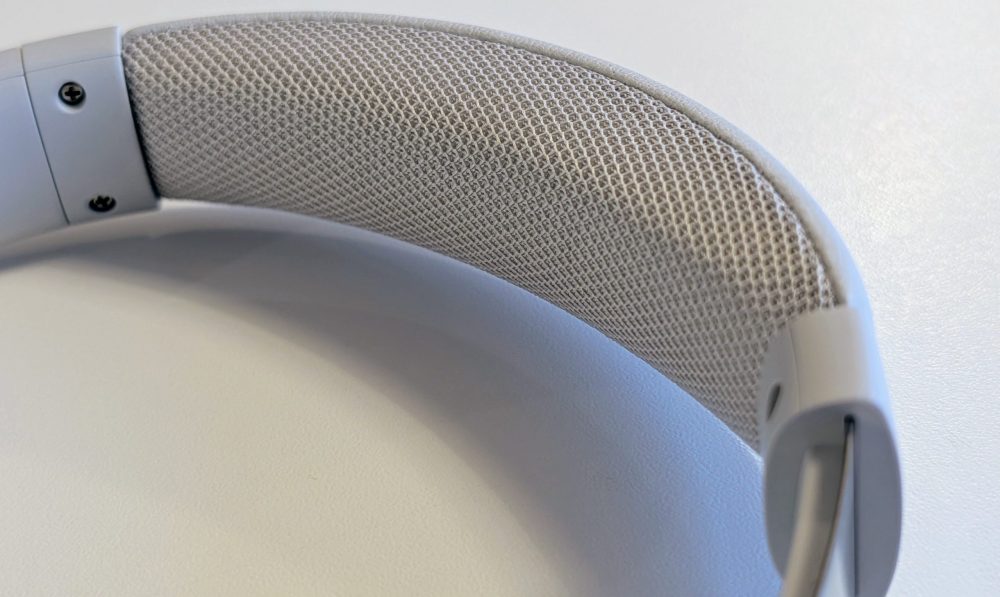
The fit is variable. The earcups are equipped with what JLab calls “Cloud Foam,” and they are indeed soft and comfortable. But after a while, they can exert some pressure. If you have a larger head, they sit quite snugly and can become uncomfortable after some time. For those with more normal-sized heads, however, they fit very well and stably.
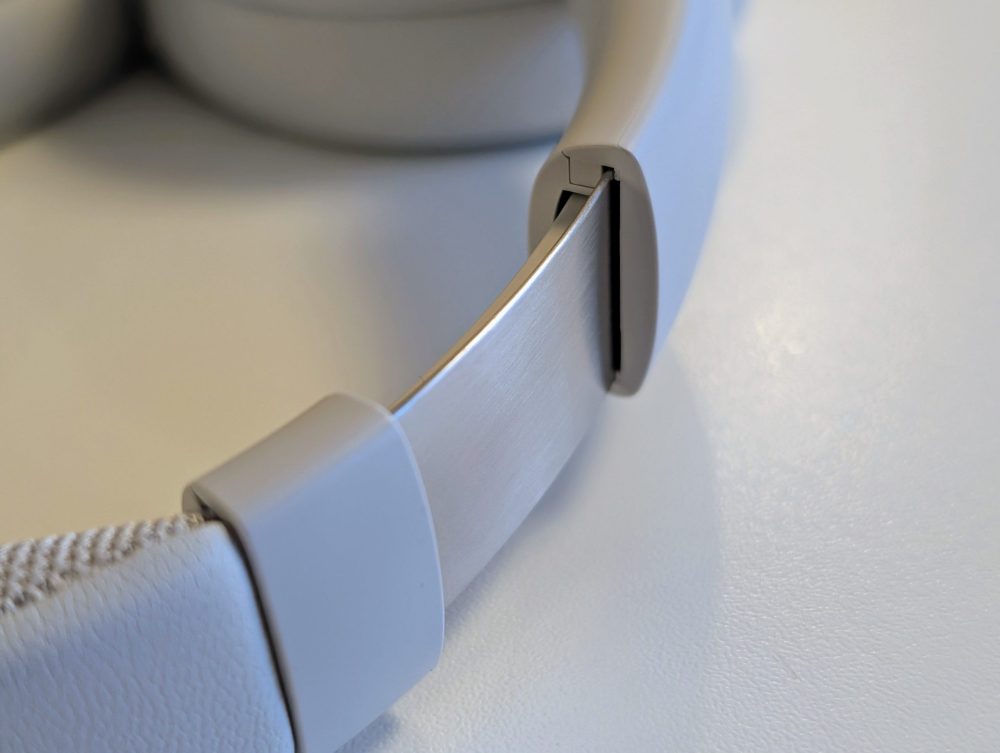
A notable aspect in the construction, however, is that the headband has a metal core. When adjusting the size, you can see a sturdy metal rail, which provides much-needed stability and a sense of durability that compensates for the otherwise plasticky overall impression.
Sound Quality and App
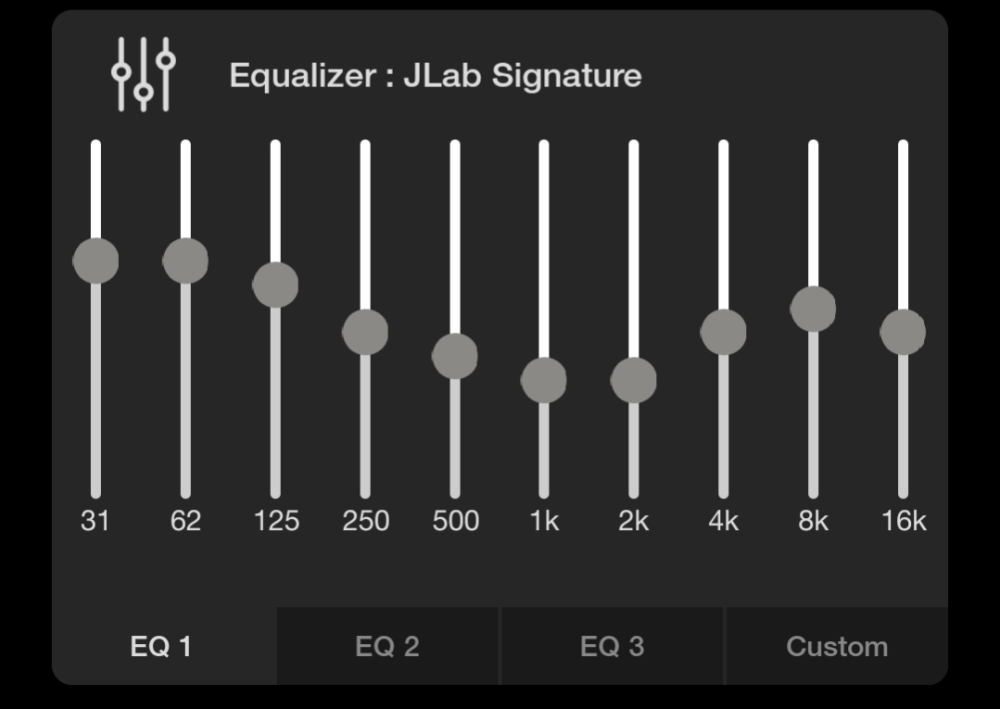
Straight out of the box, the headphones are preset to “JLab Signature,” which offers a satisfactory audio experience. The 40mm drivers deliver an energetic, warm, and very bass-heavy sound profile. The positive aspect is that it doesn’t sound muddy, which is often a pitfall for budget bass-heavy headphones. Instrument separation is present, even if it lacks ultimate precision.
Switching to “Flat” immediately makes it sound flatter/duller, albeit still with a slightly too dominant bass. You’ll likely gravitate back to “JLab Signature,” which balances the sound better. But depending on the type of music you listen to, you might need to fine-tune the EQ to find the right balance.
Conveniently, the JLab app is available, and it’s quite effective.
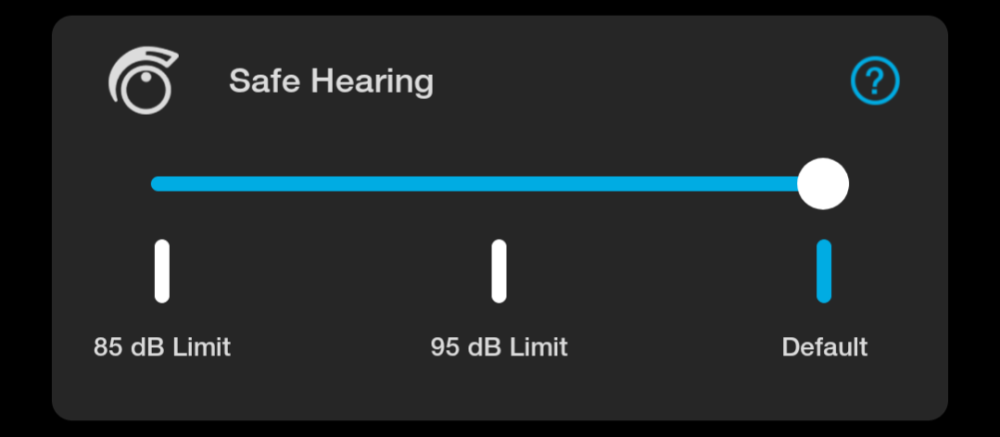
A particularly useful feature in the app that we appreciate is the ability to lock the maximum volume in different steps. This means parents can confidently allow children to use the headphones without fear of hearing damage.

It’s also convenient that you can customize exactly which functions you want assigned to the different buttons.
When it comes to codecs, users are limited to SBC and AAC; high-resolution options are absent. But there’s a distinctive detail here: the headphones function as a USB-DAC when connected with a cable, providing uncompressed audio at 16 bit/48 kHz. A discernible difference in sound quality is evident. This is an added advantage that compensates for the lack of more advanced codecs, even if it’s doubtful whether the average buyer of a pair of budget headphones will utilize this feature.
Noise Cancellation
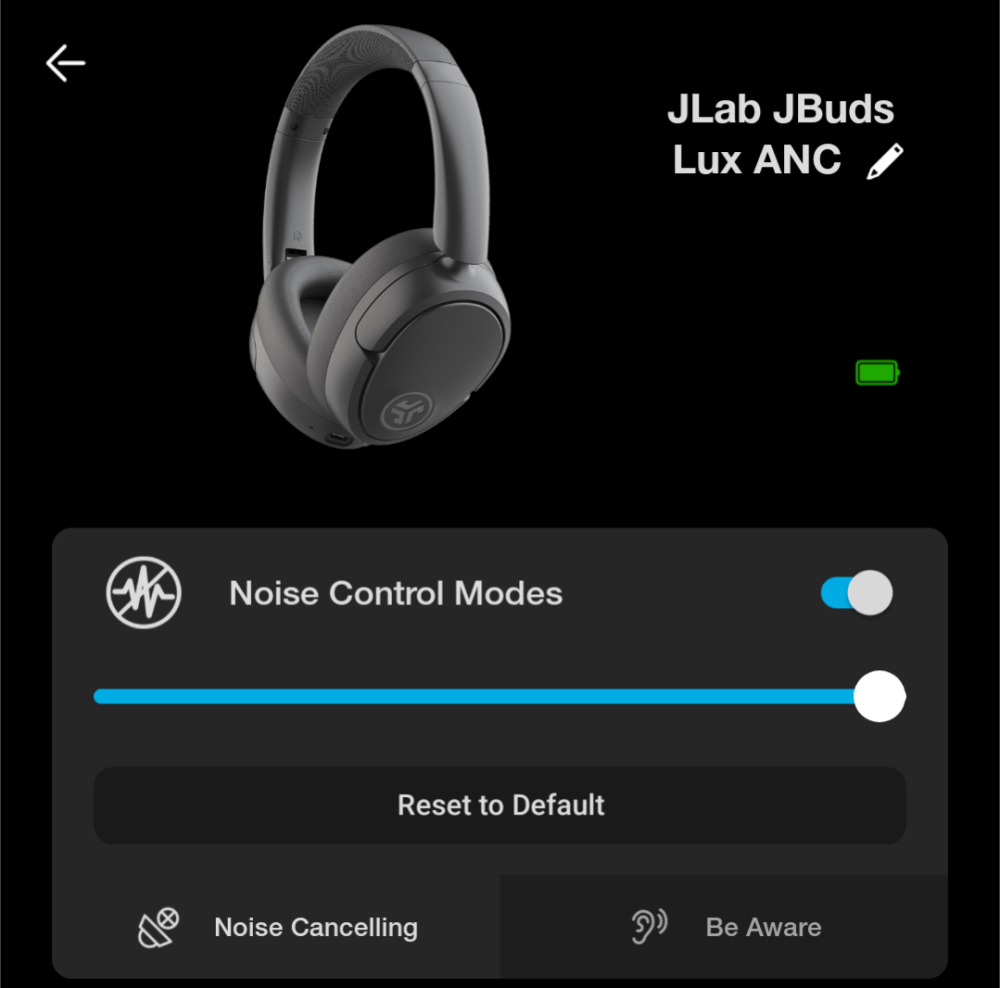
According to the specifications, the headphones should have hybrid ANC that reduces noise by up to 35 dB. In practice, the noise cancellation handles most things quite well, especially low-frequency noise from trains and buses.
However, they are extremely sensitive to wind. The slightest gust of wind is clearly audible when ANC is activated. The “Be Aware” function, which is supposed to let in ambient sound, is unfortunately underwhelming. It sounds unnatural and metallic.
Battery Life & Charging
Here, the JLab JBuds Lux ANC perform very well, although they are outperformed by the EarFun Tune Pro that we tested earlier this year. While EarFun boasts an exceptional 120 hours without ANC (and 80 hours with), JLab lands at 70 hours without ANC and 40 hours with.
To put that into perspective: 70 hours is still a figure that surpasses most other competitors. After extensive testing the headphones during the review period, we can confirm that the specifications deliver on their promises.
Should the battery unexpectedly run out, a 10-minute quick charge provides approximately 4 hours of extra listening time. A full charge takes about 2.5 hours via USB-C.
Call Quality and Connectivity
When it comes to call quality, they perform comparably to most other budget headphones. In quiet environments, such as at a desk or in a silent office, they work excellently. The voice is clear, and the recipient understands what you’re saying without problems. But as soon as it gets a bit noisier ambiently, or especially if it’s windy, the microphones struggle. Since the headphones are so sensitive to wind, the noise is picked up immediately, making it difficult for the recipient to hear what you’re saying.
The headphones use Bluetooth 5.3, and the connection has been very stable during our review period. A feature we appreciate is Google Fast Pair, which means pairing with an Android phone happens instantly when you turn them on. Furthermore, there is support for Multipoint, allowing you to be connected to, for example, your computer and mobile phone simultaneously and seamlessly switch between them.
A quite unique feature is “Wireless Share Mode” (or LabShare). This means that if you have another pair of JBuds Lux, you can connect them wirelessly and share audio from the same source. Perfect if you want to share a movie together on the train or in the back seat of the car. Additionally, you can adjust the volume individually on each pair of headphones, which is a highly intelligent design.
Conclusion
The JLab JBuds Lux ANC are noticeably plastic-heavy in build and lack an IP rating. The fit is inconsistent: if you have a large head, they sit quite tightly, but for others, they fit excellently. The earcups are very comfortable. The noise cancellation is acceptable as long as it’s not windy, because then the wind is clearly audible.
At the time of testing, the headphones cost 590 SEK, but the price usually ranges between 600 and 1,000 SEK. For that amount, you get a pair of headphones with very good battery life that sound quite satisfactory, if a bit bass-heavy. Add to that a capable app where you can adjust the sound, as well as smart features like wireless sharing, volume limiting, and the option to connect via USB-C for better sound quality.
If you are looking for a pair of affordable headphones, don’t have an excessively large head, and can tolerate the plasticky feel and wind sensitivity, this is a good buy. They offer significant value for money. Especially if you can acquire them for under 600 SEK.
JLab provided review samples for this test. Senders of material have no editorial influence on our tests; we always write independently with our readers and consumers in focus.
