
TL;DR
Huawei's FreeClip 2 open-ear headphones boast impressive sound quality, a comfortable, forgettable fit, and excellent call clarity, making them a top contender. Their unique clip-on design stays secure during workouts, and the intuitive touch controls are a lifesaver on the go. While they face challenges with hat compatibility and a tricky Android app setup, their premium price is justified for audiophiles seeking superior open-ear performance and battery life. Discover if these innovative headphones are worth the investment!
This review focuses on another pair of open-ear headphones, this time from Huawei. We previously tested the Huawei FreeArc, which became a strong performer among the open-ear headphones we’ve evaluated. This iteration features a completely different “clip-on” design, reminiscent of models such as the EarFun Clip, Shokz OpenDots One, or the forthcoming Sony LinkBuds Clip.
While the substantial price and promising specifications suggest a premium experience, the true performance of the Huawei FreeClip 2 in practical use remains to be assessed. This review will explore its capabilities.
Design and Fit
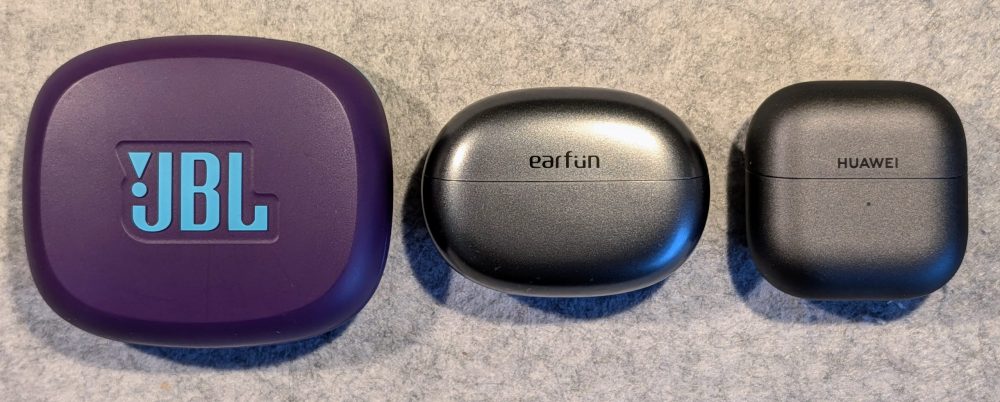
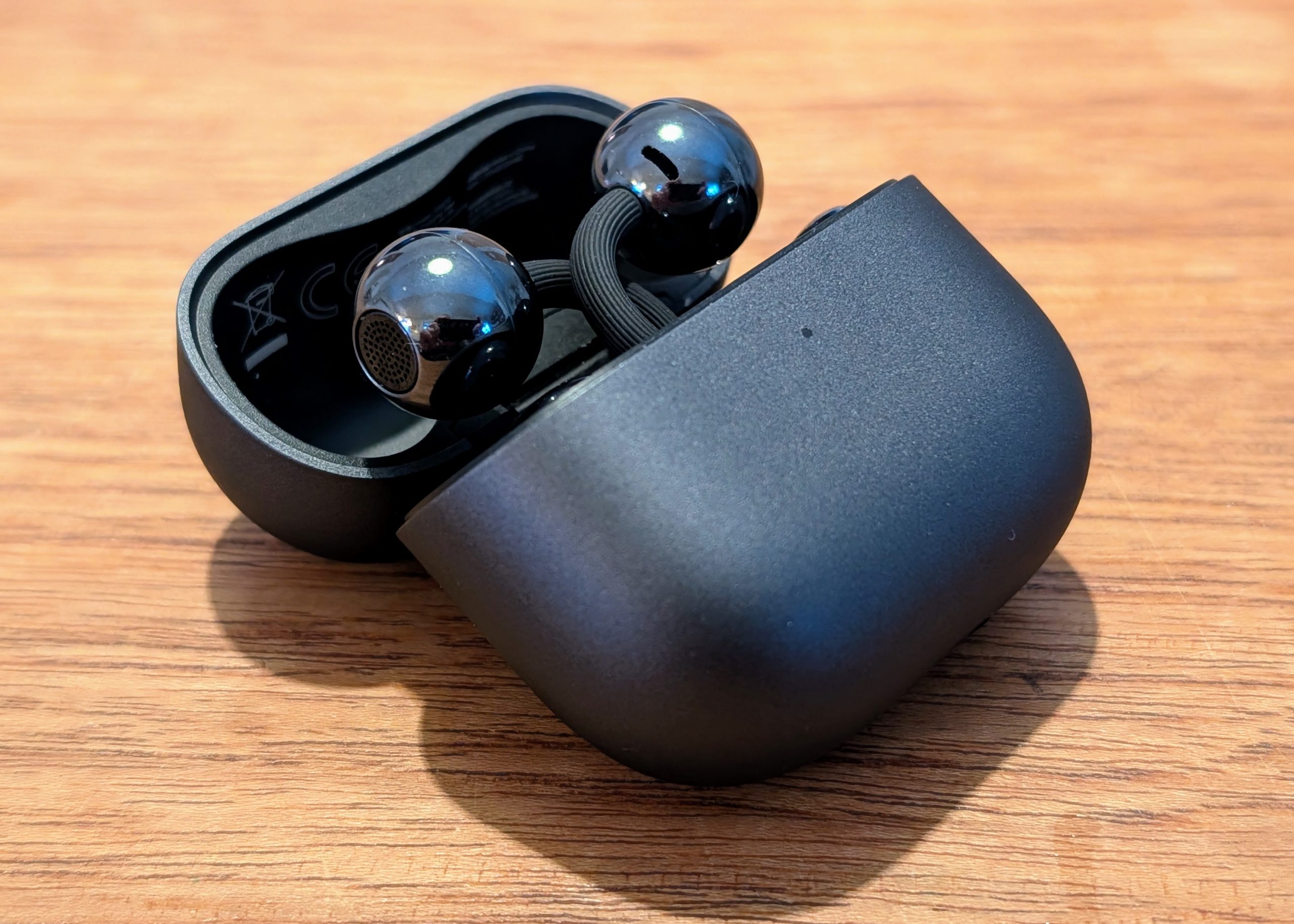
Beginning with the case, it is notably small and compact. We are reviewing the black variant, which features a sleek, matte finish. This provides a sophisticated and discreet aesthetic. Unlike many competitors’ high-gloss plastic cases, this design effectively resists fingerprints. The headphones themselves, however, have a high-gloss finish.
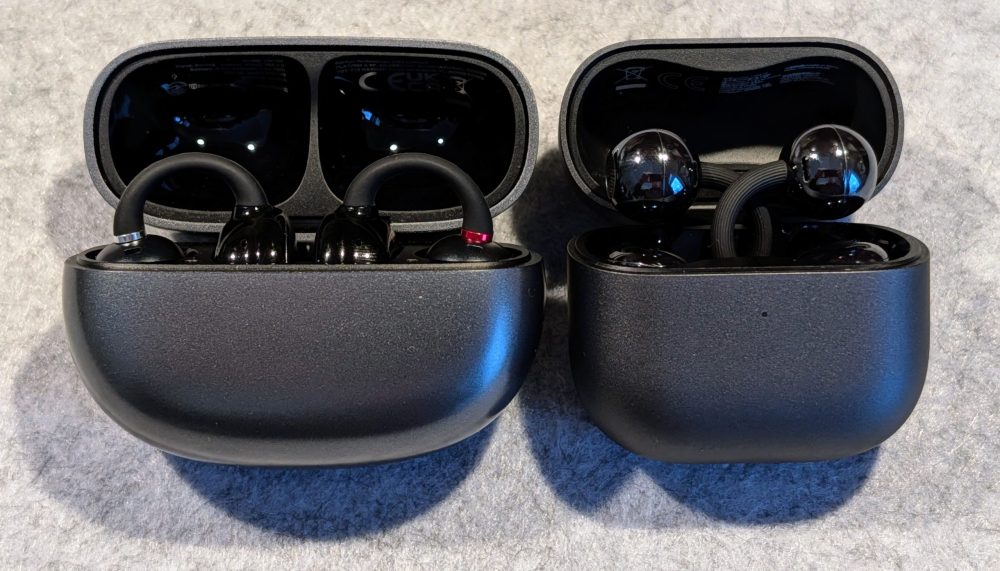
To achieve this reduced size, Huawei’s engineers have ingeniously designed the headphone placement within the case. Initially, the insertion method may seem counter-intuitive, requiring some practice to master the technique during the first few attempts.
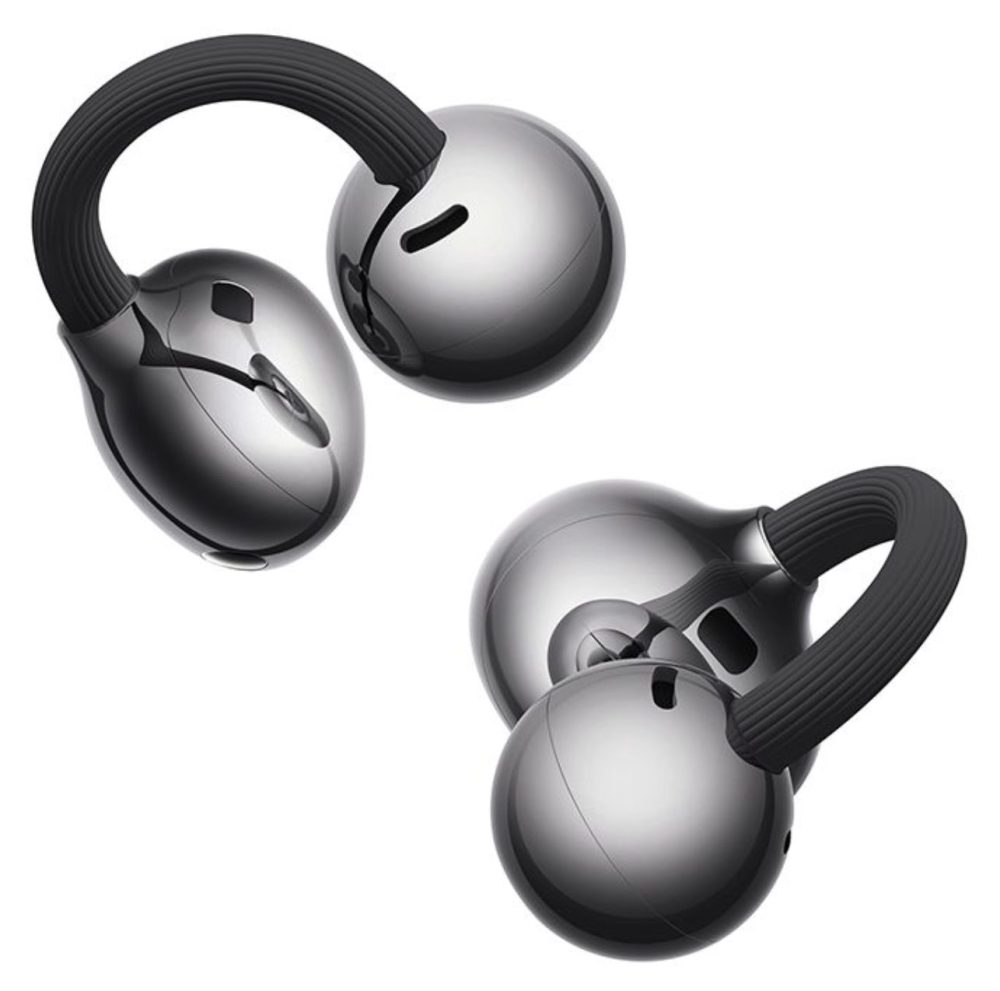
The headphones themselves are impressively lightweight, weighing only 5.1 grams per earbud. Huawei refers to the connection design between the two parts as “C-bridge 2.0,” featuring a core made of a nickel-titanium alloy. Their comfortable fit quickly leads users to forget they are wearing them. Universal feedback from testers confirms an excellent fit, accommodating various ear sizes. The only potential issue arises with very large ears, where the speaker may sit slightly too far from the ear canal, resulting in diminished sound quality, even if the fit remains secure. Regardless of vigorous movement during activities like gym sessions, they consistently remain firmly in place.

Another challenge, common to all “clip-on” headphones and not unique to the FreeClip 2, is their compatibility with hats. While in-ear headphones also pose some issues with headwear, the problem is more pronounced here, with a higher risk of accidentally dislodging an earbud when removing a hat.
Similar to the Shokz OpenDots One, these headphones intelligently detect their orientation (left or right ear). This means they can be placed on either side in the case, and if switched between ears, the headphones recognize the change and adjust the audio channels accordingly. This feature significantly enhances user convenience.
The headphones boast an IP57 rating, signifying resistance not only to sweat but also to substantial water exposure, making them suitable for activities like running in heavy rain. The case, however, lacks an IP rating and should be kept dry.
Control of the headphones is achieved via double or triple taps. A notable advantage is the expansive touch surface, eliminating the need to locate a precise point for interaction. Users can tap the Acoustic Ball itself, the C-bridge, or the “Comfort Bean” behind the ear. The entire unit functions as a large control area, which proves highly effective, particularly during activities like running or cycling where precise interaction can be challenging.
Volume adjustment is performed by swiping up or down on the portion behind the ear. This method is highly effective and intuitive. By omitting a single-tap option for playback control, the risk of accidental song changes or similar actions, when merely adjusting the fit, is significantly reduced.
Additionally, the headphones support head gestures, allowing users to nod to answer a call or shake their head to decline it. This offers a convenient hands-free option when hands are occupied and a quick response is needed.
Sound Quality and Software
Similar to the Huawei FreeArc, the sound quality is impressive. Huawei has incorporated a new driver unit with dual magnetic circuits, engineered to enhance bass response. This enhancement is evident in the audio performance. Without any EQ adjustments, these headphones likely represent the best out-of-the-box sound quality among open-ear models.
The bass response is robust and defined, though it cannot replicate the deepest sub-bass achievable with in-ear headphones, given the open ear canal design. The mid-range is exceptionally clear; vocal clarity in podcasts and music is excellent.
When playing Postcard Blues by Cowboy Junkies, the headphones accurately reproduce the subtle details in the intro, and the harmonica entry is rendered smoothly, avoiding the harshness often found in less capable headphones.
Subsequent testing with James Blake – Limit to your love demonstrates that the bass-heavy passages are well-balanced and do not overpower the vocals.
Across various audio content, the sound quality remains consistently high, exceeding expectations for a product often categorized as “workout headphones.”
An important feature for users concerned about audio leakage is Huawei’s “Reverse Sound Field” technology, which emits counteracting sound waves to suppress external sound. This technology performs commendably. Up to approximately 50-60% volume, music can be enjoyed without disturbing nearby individuals. However, at higher volumes, a noticeable amount of sound leakage occurs.
Unfortunately, a significant limitation concerning sound relates to high-resolution codec support. While L2HC support offers high-resolution audio, its exclusive compatibility with Huawei phones limits its utility for a broader user base. Consequently, users without a Huawei device are limited to AAC and SBC codecs, as support for LDAC or aptX is absent.
It is worth noting, however, that the headphones support the very latest Bluetooth 6.0 standard, despite limited current mobile phone compatibility.
Regarding the software, the experience mirrors our findings from the Huawei FreeArc review. For iPhone users, the application is readily available on the App Store, offering seamless setup.
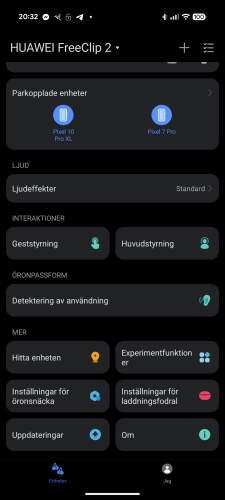
Android users, however, encounter a more convoluted installation process. The app is not available in the Google Play Store due to trade restrictions. Users must download an APK file via a QR code on the box or install Huawei’s own “AppGallery” store. This process often triggers system warnings regarding “unknown apps” and “potential security risks,” resulting in a perceived lack of security and a cumbersome user experience. Such a barrier presents a significant hurdle for the average user.
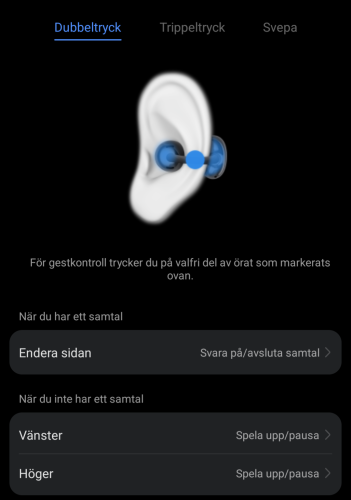
Despite the installation challenges, the application itself is robust. It allows users to set EQ profiles, customize gestures, and activate “Adaptive Volume,” which automatically adjusts volume based on ambient noise.
Battery and Charging
The headphones are specified for 9 hours of playtime, with a total of 38 hours including the case. This claim closely matches our real-world testing. We conducted tests at approximately 60–70% volume and achieved roughly 8.5 hours of playback.
The case supports wireless charging, and for quick power-ups, 10 minutes of fast charging provides a full 3 hours of playtime.
Call Quality
Call quality is a particular highlight, delivering impressive performance. Open-ear headphones are generally advantageous for phone calls due to the natural auditory feedback of one’s own voice. Notably, voice clarity is maintained effectively even in noisy and windy conditions. A member of our editorial team, who commutes 30 km daily by bicycle and frequently takes calls while riding, reported that interlocutors were often unaware she was cycling in busy urban traffic during conversations.
Conclusion
The Huawei FreeClip 2 arguably stands as the most accomplished open-ear headphone we have reviewed to date. They offer excellent sound reproduction, a remarkably comfortable fit that leads users to forget they are wearing them, and top-tier call quality.
However, the device is not without its drawbacks. Beyond the cumbersome Android app installation, a significant concern is its premium pricing.
The recommended price is 2,899 SEK. This represents a price point over four times that of the EarFun Clip. Undoubtedly, the FreeClip 2 surpasses many competitors in most aspects, offering superior sound quality, more premium materials, and advanced technology. Concurrently, open-ear headphones typically serve as a supplementary audio solution. Their open design inherently makes them less ideal for noisy environments such as subways or airplanes. Users frequently employ dedicated headphones for such situations, reserving open-ear models for activities like workouts where environmental awareness is crucial. Investing nearly 3,000 SEK in a secondary pair of headphones may be considered excessive by some.
However, for users who are not price-sensitive and prioritize arguably the best sound on the market, good battery life, and comfortable open-ear headphones, the FreeClip 2 represents a compelling acquisition.
Huawei provided review samples for this test. Material providers have no editorial influence on our tests; we always write independently with our readers and consumers in mind.
