TL;DR
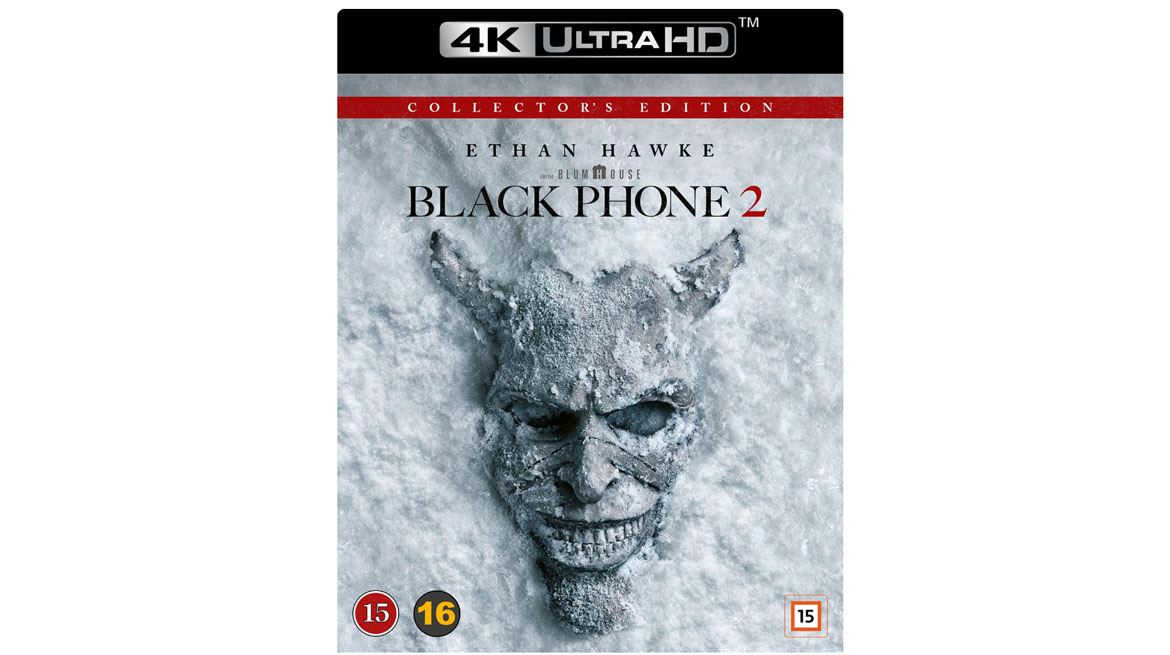
Four years after the original, *Black Phone 2* sees Finn and Gwen facing new horrors at a winter camp. Despite strong acting, cinematography, and practical effects, the sequel falters. The script, a derivative imitation of *Nightmare on Elm Street*, lacks suspense and a palpable sense of danger, featuring unconvincing visual effects and an uninspired shift for The Grabber into a supernatural entity. While the UHD release boasts impressive audio and picture quality, the film itself is an underwhelming experience. Intrigued by what makes this sequel fall flat despite its technical strengths? Dive into the full review to discover the details.
Black Phone 2 continues four years after the events of The Black Phone. The narrative once again focuses on Finn (Mason Thames), who is grappling with the aftermath of his kidnapping and the traumatic confrontation with The Grabber (Ethan Hawke). Meanwhile, his sister Gwen (Madeleine McGraw) experiences tormenting dreams, receiving calls from the black phone and witnessing visions of three boys being pursued at the Alpine Lake winter camp.
The siblings and a friend decide to journey to the camp, coinciding with the onset of a severe winter storm. Consequently, the camp is largely deserted, save for a few staff members and the three friends. As the storm intensifies, severing their connection to the outside world, the mysterious phone in the booth begins to ring, revealing The Grabber’s voice from what appears to be beyond.
A Sequel Lacking Suspense
The original The Black Phone, which premiered in 2021, garnered praise for its suspense and genuine horror; however, this reviewer held a differing opinion, assigning the film a comparatively low rating. Hopes for improvement in the sequel were present, given the commendable performances of the actors, Pär M. Ekberg’s cinematography (particularly in real locations), and the effective practical effects. However, these positive aspects regrettably do not extend to other elements of Black Phone 2.
A Script on Thin Ice
Scott Derrickson, an accomplished director, also penned the script, which, in this reviewer’s assessment, struggles significantly. The issue arises when, from the perspective of an experienced horror film viewer, the director and screenwriter appear to attempt a derivative imitation of Freddy Krueger, placing the narrative on conceptually ‘thin ice’ – a point underscored by literal thematic elements.
Notably, a scene depicts a character spinning on the floor while bleeding, an homage to or replication of sequences found in the Nightmare on Elm Street films, albeit executed with less impact than its predecessors from four decades prior.
Visual Effects That Fall Flat
The visual effects are notably subpar. Several sequences conspicuously reveal filming against a chromakey screen. By the film’s conclusion, it becomes overtly apparent that these scenes were captured in a controlled studio environment rather than authentically on ice during a freezing night, compromising immersion. Furthermore, when characters voluntarily immerse themselves in an ice hole and swim to retrieve objects, exhibiting no discernible reaction to the extreme cold, the narrative’s credibility is severely undermined.
Horror Without Danger
The film largely lacks a palpable sense of danger for its characters, presenting an unusually bloodless narrative despite some visually gory elements. Significantly, very few characters perish during the film’s runtime. Spoiler: No new fatalities occur; all deaths depicted or referenced either precede the film’s events or have already transpired.
While some might appreciate this departure from conventional horror tropes, the execution ultimately proves tiresome and irritating. A ringing phone, while central to the premise, does not inherently generate significant fear, a point that might be lost on younger audiences unfamiliar with rotary phones, leading this reviewer to consider potential generational perspectives.
A Future for the Franchise – But Not for Me
Black Phone 2 performed reasonably well at the box office, making a future sequel probable. However, this reviewer will likely refrain from future installments, having found prior experiences with the franchise disappointing.
The UHD Release: Picture
The UHD release presents the film in 2160p with HEVC/H.265 encoding. The HDR format is Dolby Vision and HDR10. The many dark scenes maintain integrity without collapsing into murky grays. The bitrate is high and stable.
However, even with robust picture quality, the poorly executed bluescreen sequences remain visually unconvincing. In contrast, the Super 8 and 16mm sequences are rendered effectively, featuring appealing grain and rich, deep colors.
The UHD Release: Audio
The audio is delivered in Dolby Atmos and is powerful and immersive. The supernatural elements—voices, phone signals, and whispers—are precisely positioned within the soundstage. Dialogue remains clear and centrally anchored, while musical scores and intense sequences deliver impact without overpowering the overall mix.
The audio mix stands out as the most commendable technical aspect of the film, particularly in the dream sequences and the alternative world where characters confront The Grabber.
Bonus Features
During the review of the first film’s Blu-ray release, the absence of bonus features was a point of notable disappointment. Conversely, this release provided a pleasant surprise with a substantial array of bonus content. Regrettably, a significant portion consists of promotional ‘puff pieces,’ though some genuinely useful content is also present. Crucially, it provided confirmation that the bluescreen effects, which had been a point of concern during the film, were indeed utilized.
In summary, the film’s rating remains comparatively low, even as the UHD release’s technical quality elevates the overall presentation by a notable margin. Black Phone 2 is, in this reviewer’s assessment, an underwhelming film. The fundamental setup and premise exhibit weaknesses, and the creative decision to transition The Grabber from an ordinary human antagonist to a supernatural entity appears ill-conceived. This creative choice, however, affords the filmmakers the opportunity for numerous sequels, as the character’s masked identity allows for continuity beyond Ethan Hawke’s portrayal. For audiences who thoroughly enjoyed the original film, this sequel may still resonate, despite its substantial divergence from the predecessor’s core narrative.
SF Studios sent review copies for this test. Material providers have no editorial influence on our reviews; we always write independently with our readers and consumers in mind.
