TL;DR
Ebola Village throws you into a community gone wild, tasking you with finding out why. While the environments and sound design are surprisingly decent, prepare for a bumpy ride. From jarring YouTube redirections and awkward introductions to nonsensical puzzles and clunky combat animations, this game feels like a highly derivative Resident Evil clone with significant polish issues. Despite being a largely one-person project, which is commendable, the lack of originality and logic problems overshadow any potential. Curious about this budget survival horror? Dive into the full review to see if its quirks are unintentional entertainment or just plain frustrating.
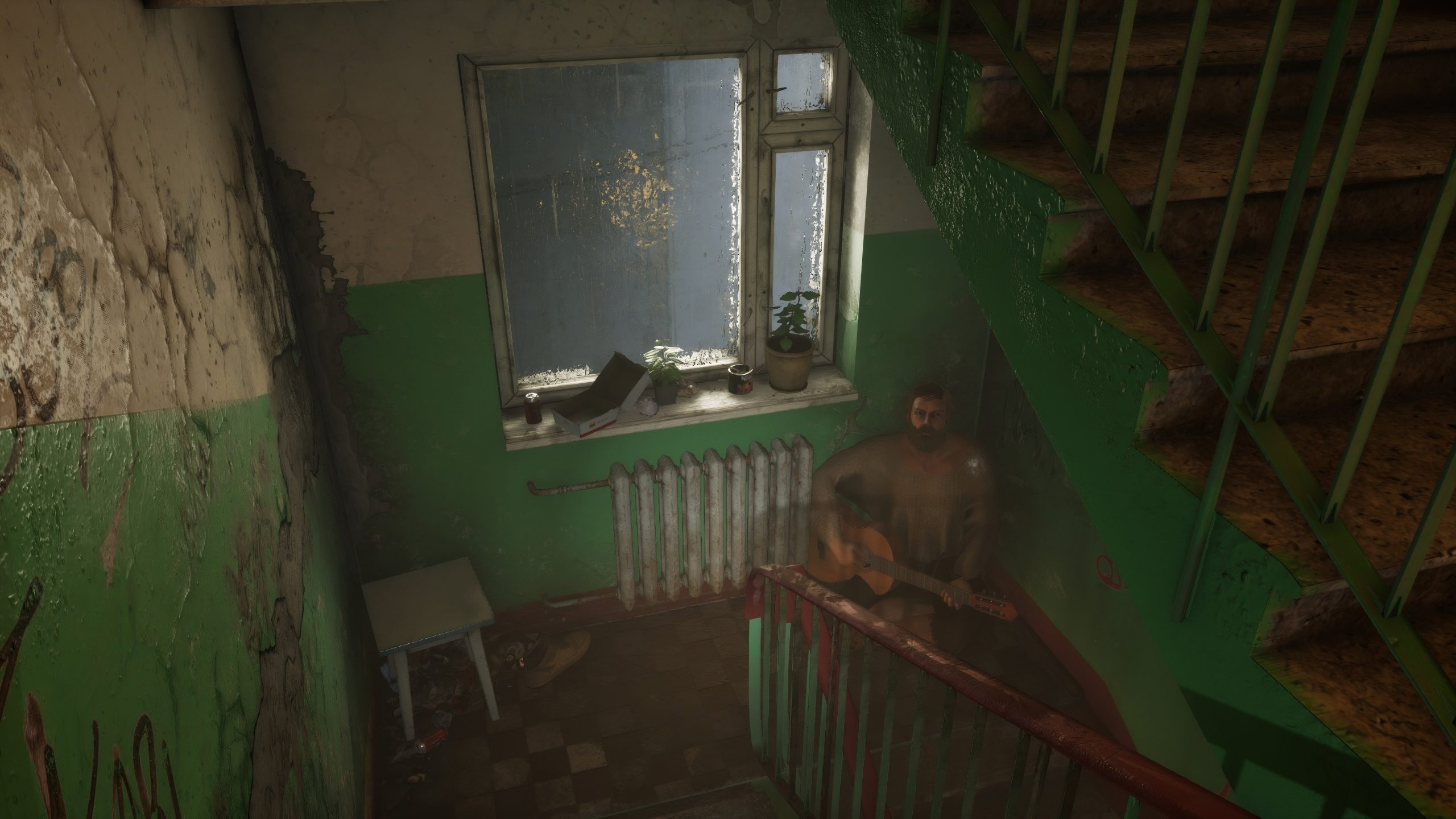
Ebola Village sets players in a community grappling with a dire situation. Its inhabitants have become aggressive and hostile, attacking all perceived threats. The objective is to uncover the cause of this transformation and resolve the unfolding mystery, a task that quickly proves more complex than anticipated.
About Imitation and Influences
The well-known adage “Imitation is the sincerest form of flattery,” attributed to Charles Caleb Colton, and Pablo Picasso’s (or T.S. Eliot’s) assertion that “Good artists borrow, great artists steal,” both highlight the role of influence in creative works. However, Ebola Village demonstrates instances where such inspiration may cross into problematic territory.
First Impressions
Upon initiating the game, two aspects were immediately notable. First, the game’s primary language is Russian; while English voice acting is absent, English subtitles are provided. Second, an option to view a pre-game narrative film redirects the player to YouTube, rather than playing within the game client. While this might be less jarring on PC, on an Xbox Series X, this external redirection significantly disrupts the player’s immersion.
The aforementioned short film, embedded at the conclusion of this review, is presented in English with noticeable dubbing quality issues. Proceeding to the game, the introductory sequence features the female protagonist in undergarments, positioned with legs spread, watching television. A conspicuously large jar of pickled cucumbers is visible beside the TV. The intro sequence is protracted, leading to a decision to skip it in favor of commencing gameplay.
Initial Gameplay Peculiarities
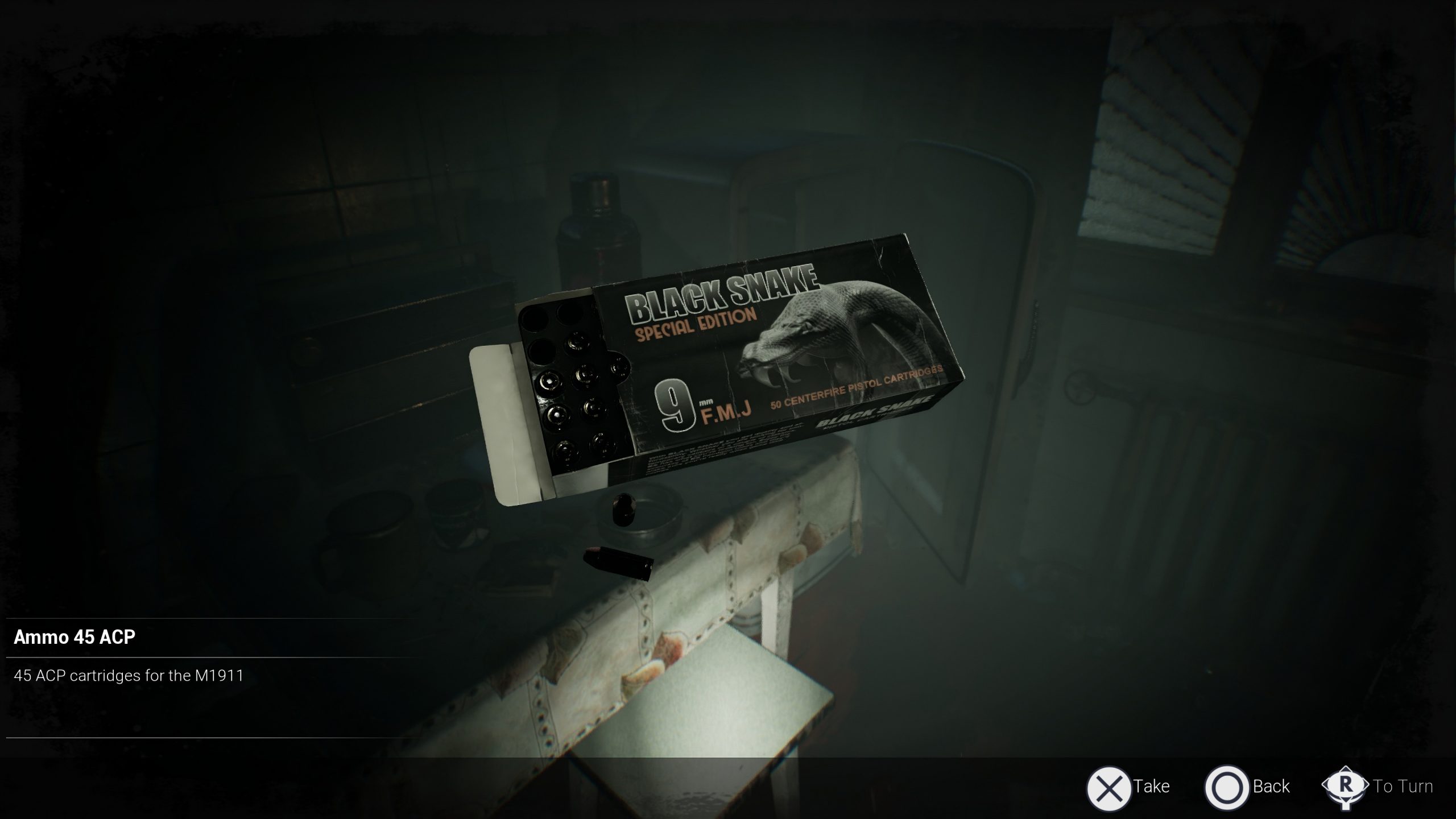
The game transitions to a first-person perspective, allowing free movement within the apartment. Actions such as collecting a ring and reviewing a diary, presented as a typewritten A4 sheet, are possible. However, interaction with the protagonist’s clothes in the closet yields only the recurring message “Your Clothes,” preventing their acquisition. Subsequent exploration of the apartment, including the kitchen for a notebook and the balcony, proved uneventful, with no further interactable objects or progression triggers.
The lack of progression led to a significant point of friction, necessitating consultation of a game walkthrough. This revealed an expected cutscene in the hallway, which did not trigger despite attempts to access the area and replay the sequence. It was only after allowing the entire introductory sequence to play, rather than skipping it, that the cutscene initiated, subsequently enabling interaction with the clothes.

Game Logic and Puzzles
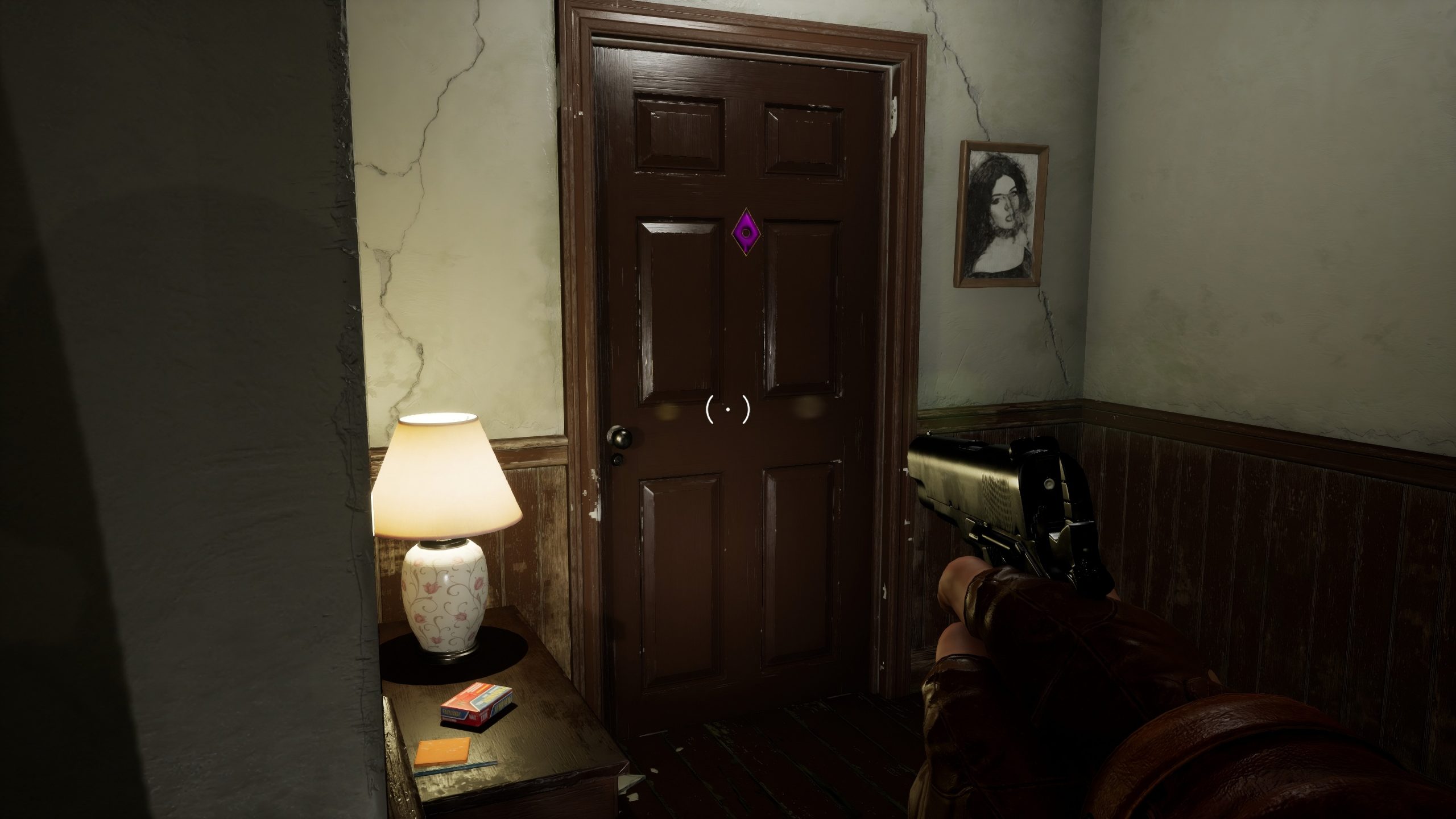
This instance of unconventional design is merely an introduction to recurring issues throughout the game. While the environments and sound design exhibit commendable quality, other elements demonstrate a striking lack of polish and logical consistency. For instance, an early “puzzle” prevents bathroom entry due to darkness, despite the protagonist possessing an operational flashlight—even while minimally clothed. The solution involves navigating a separate, dimly lit apartment to locate a fuse, thereby restoring power to the bathroom. The rationale for this sequence is revealed as the necessity to retrieve a driver’s license, a prerequisite for driving a car, a requirement that feels incongruous with the established apocalyptic setting.
Combat and Animations
Such design inconsistencies persist throughout the game. The introduction of enemy encounters further highlights deficiencies, particularly in character animation, which is notably substandard. A minor positive aspect, however, can be noted in the visual feedback provided when enemies sustain damage from gunfire.

Derivative Design
For many players, the extensive similarities will quickly reveal Ebola Village as a highly derivative title, drawing heavily from the Resident Evil series. This influence is evident even in aesthetic choices, such as a scene where the protagonist dons revealing attire, openly mirroring iconic character designs. While the developers have used the title Ebola Village to avoid explicit mention of zombies, the enemy behavior—characterized by biting and undead characteristics—strongly aligns with the zombie archetype. Core gameplay mechanics, including collecting herbal potted plants for crafting medicine, black-screen transitions between distinct map areas, and phone-based save points, further underscore these undeniable resemblances.
Performance and Optimization
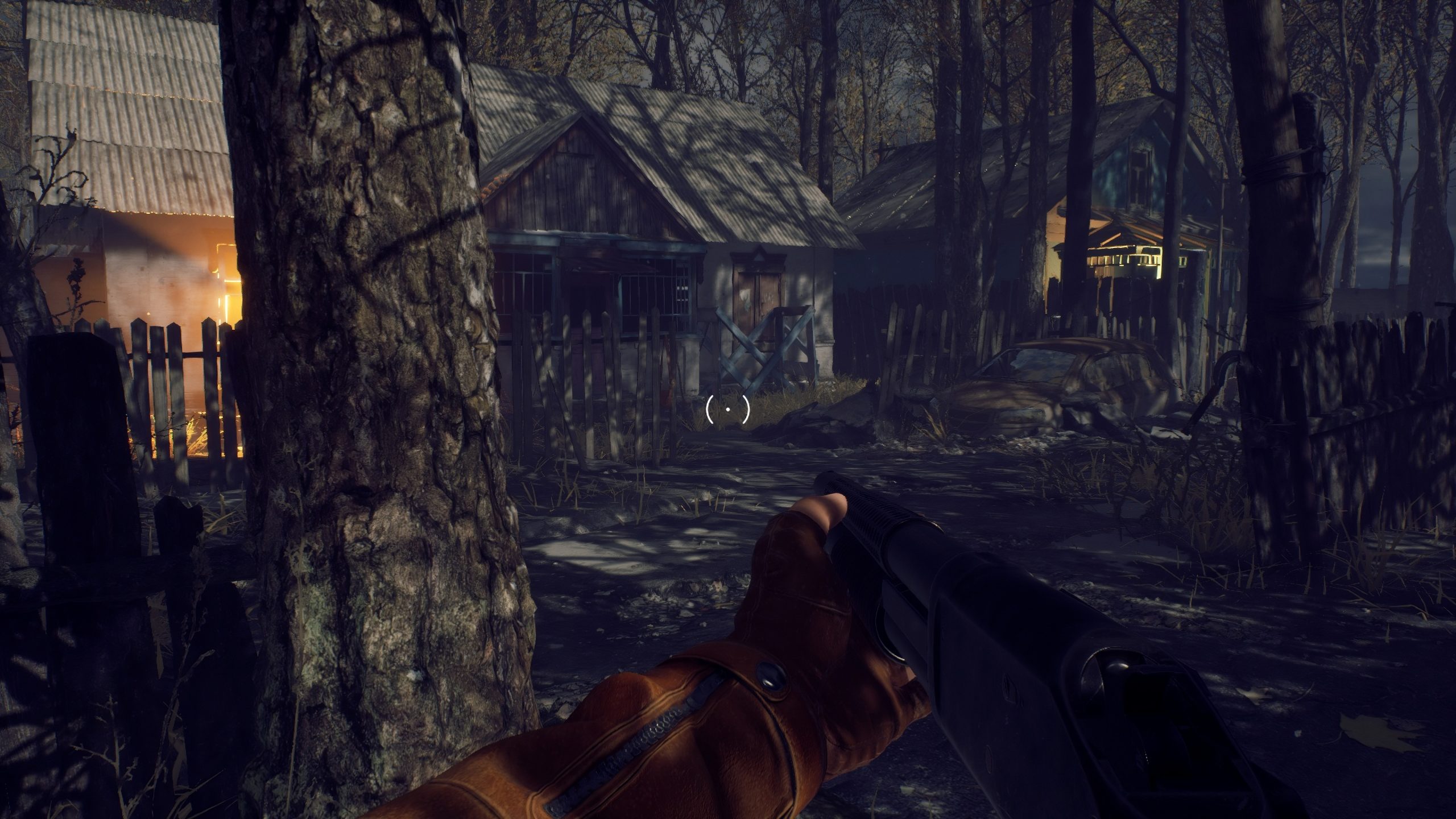
Ebola Village offers a single gameplay mode, with frames per second (FPS) fluctuating between 30–60 throughout the experience. Indoor environments typically yield higher FPS, likely due to a reduced load on rendering resources. Despite the decent visual quality of the environments, the game exhibits clear optimization challenges, manifested by visible texture pop-in when transitioning into new areas. Overall, the technical performance remains consistently problematic.

A One-Man Project
A significant mitigating factor emerged upon viewing the end credits, following a relatively brief playtime of approximately two and a half hours: the realization that the game was largely developed by a single individual.
While additional names are credited for voice acting and composition, Victor Trokhin appears to have been responsible for the vast majority of the game’s development. It is regrettable that despite some functional and competent elements within the game, the project leans heavily into unoriginal territory, rather than leveraging its creator’s capabilities to produce a more distinct experience.

In conclusion, Ebola Village falls significantly short of being a quality title. However, for players interested in a highly derivative, low-budget interpretation of the Resident Evil formula, and who are willing to overlook its flaws, it might offer a peculiar experience. The achievement of developing such a title with a minimal team is noteworthy, and its various quirks can, at times, provide unintentional entertainment.
Axyos Games provided a review code for this review. The sender of the material has no editorial influence on our reviews.
