
TL;DR
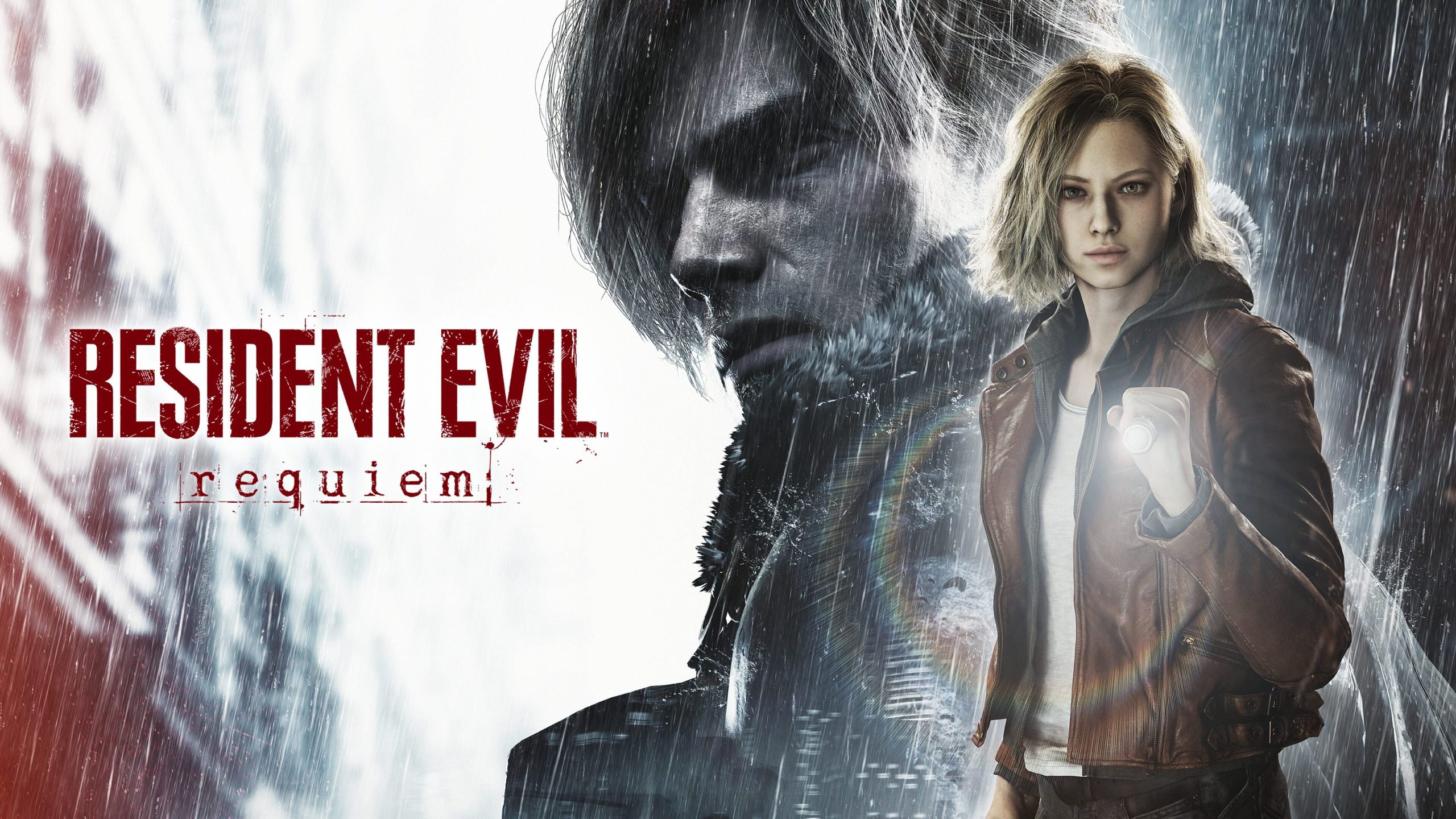
Resident Evil 9 masterfully navigates the series' identity crisis, offering a compelling blend of pure survival horror and weighty action. By splitting its narrative between the vulnerable Grace and a world-weary Leon, the game explores the franchise's past while forging a confident new path. It prioritizes slow-burn tension and resource management over bombastic spectacle, delivering genuine scares and a satisfyingly cohesive experience. While its environments are less memorable than previous entries, Resident Evil 9 is a mature and frightening evolution. Discover how it finally cements the series' identity in the full review.
A discussion of Resident Evil 9 necessitates an examination of the series’ identity. Few franchises have experienced such pronounced evolutionary shifts as Resident Evil. From claustrophobic survival horror to bombastic action and back again – the series has oscillated between extremes. With the ninth installment, it feels as though Capcom has definitively shaped the franchise’s identity. The outcome is exceptionally well-executed.
After the acclaimed Resident Evil 4 (2005), the series shifted distinctly towards action. The fourth installment achieved a finely tuned equilibrium between horror and explosive intensity. However, with Resident Evil 5, the balance began to shift. The fifth installment was commercially successful, yet a crucial element was diminished. Daylight environments, a co-op focus, and an abundance of ammunition relegated horror elements to a largely aesthetic role. Then came Resident Evil 6, a bombastic, almost parodic exhibition of explosions, quick-time events, and Hollywood spectacle. While intermittently entertaining, it alienated itself from the core tenets of the Resident Evil experience. The series had fundamentally transformed.
When Resident Evil 7: Biohazard was released, its arrival marked a profound, positive departure. The first-person perspective, the isolated plantation, the pervasive sense of vulnerability. Resources became critically limited once more. Foes were genuinely terrifying, and silence itself became menacing. The seventh installment was a deliberate retreat from its action-oriented trajectory, reconnecting with the series’ foundational principles: vulnerability, claustrophobia, and slow build-up. This was more than a mere course correction; it represented a revitalization.
Then came Resident Evil Village… Its initial presentation promised gothic horror and an evocative atmosphere; however, the gameplay progressively gravitated back toward action-oriented territory. Werewolves, an abundance of boss fights, and larger environments increased the pace, yet diminished the sense of terror. Ultimately, it became a somewhat unremarkable entry in the series’ universe, though still enjoyed by many. The experience felt disjointed. Capcom appeared indecisive regarding its core identity: horror or action? Consequently, the franchise’s identity wavered once more.
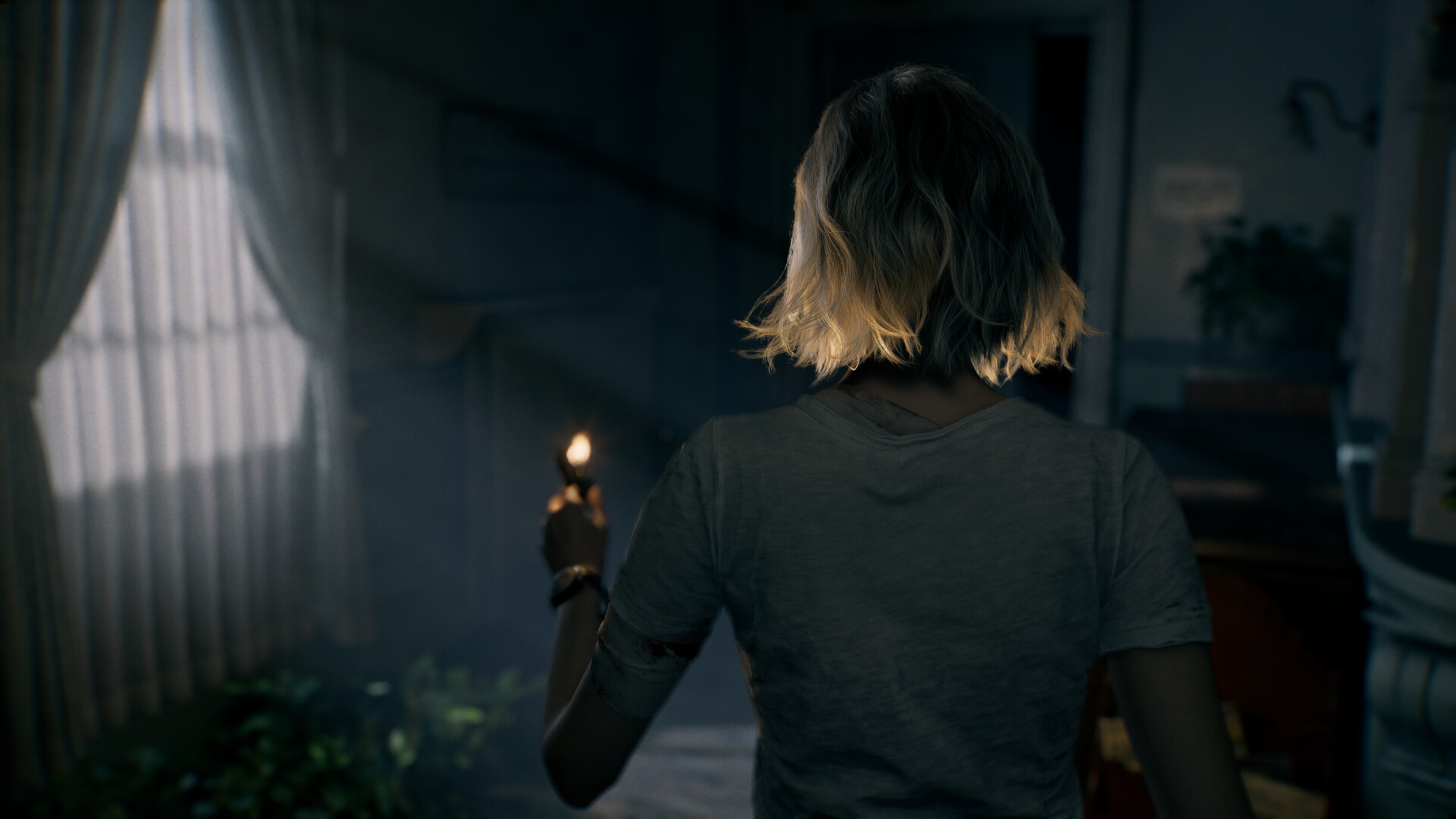
I approached Resident Evil 9 with a degree of apprehension. The marketing and pre-release discussions suggested a somewhat disparate approach. Grace’s segments were marketed as pure survival horror, while Leon’s promised a more action-oriented horror experience, reminiscent of Resident Evil 4. Furthermore, players could choose between first- and third-person perspectives for both characters. This implied an attempt to cater to the entirety of the Resident Evil fanbase simultaneously, ensuring no demographic was overlooked. Candidly, this strategy sounded like a potential compromise, raising questions about the artistic integrity of broad appeal. While this holds true to some extent, its execution within *Resident Evil 9* is remarkably effective.
The game consistently maintains a clear tonal direction. Action is present – but it is weighty, perilous, and infrequent. Each confrontation carries significant risk. Ammunition ceases to be a readily available comfort, transforming into a critical, calculated investment. The narrative is more subdued than in Village. Rather than operatic drama, the narrative delves into a personal story of guilt and failed biological experiments – aligning more closely with the series’ foundational themes than with overt supernatural elements. While still grotesque, it feels considerably more grounded.
One of the most discussed aspects of Resident Evil 9 is the game’s dual narrative structure, divided between Leon and Grace. They represent more than distinct characters; they embody two fundamentally different design philosophies. It is through this dichotomy that the game articulates its commentary on the series’ past trajectory and future potential.
With Grace, her segments are emblematic of pure survival horror. There are moments where I hesitate to activate my flashlight in a dark room. Where I hear something moving behind a wall and realize my ammunition is critically low. Where I scrutinize my limited resources as if each choice carried tangible weight. Grace’s sections stand out as the game’s strongest, delivering genuinely unsettling horror.
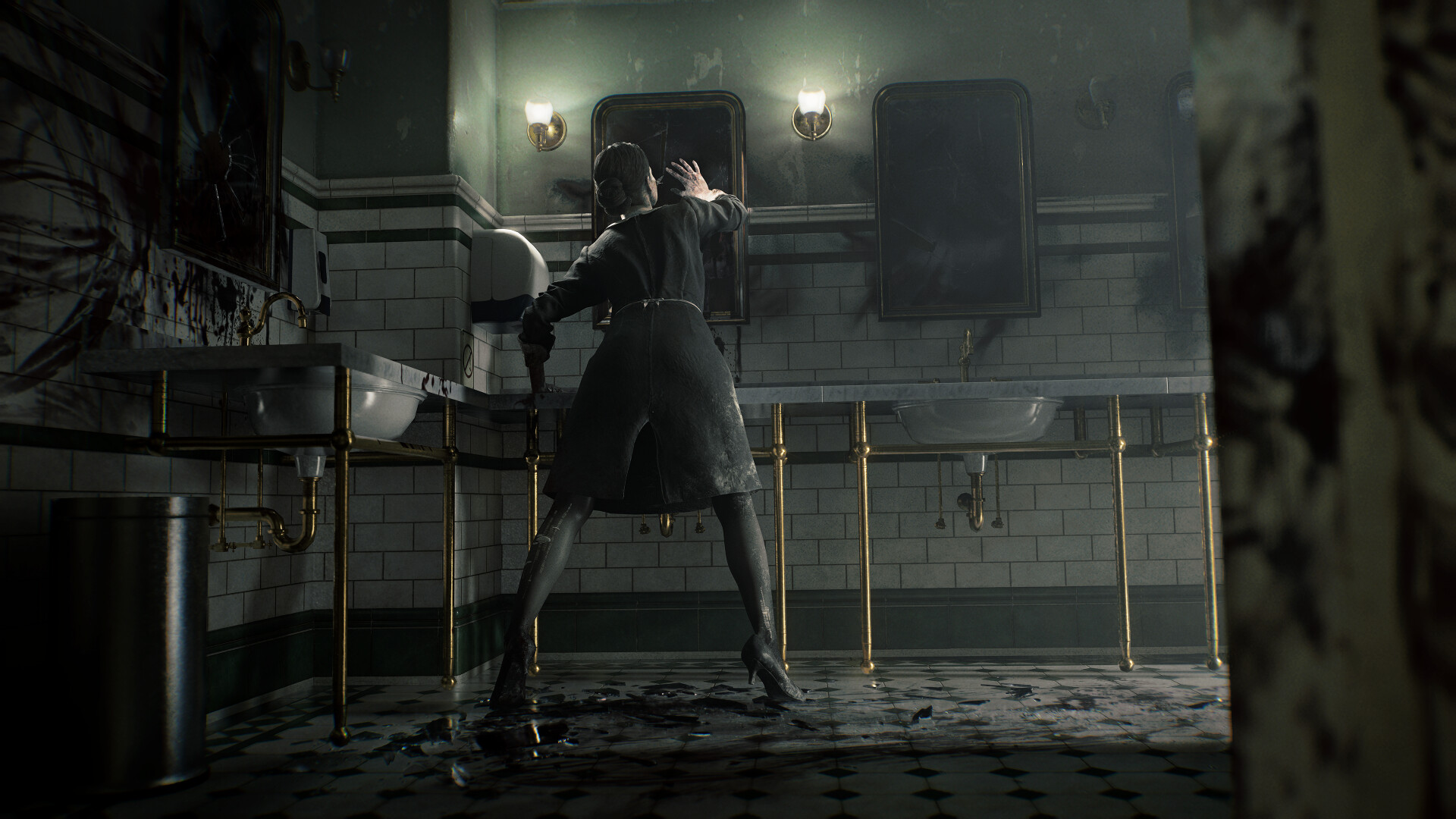
Leon’s sections resonate with the series’ action-oriented past, yet are imbued with a sense of regret and weariness. He is no longer the confident operative from Resident Evil 4. Here, his movements are slower, his approach more cautious, and his demeanor palpably weary. But there’s a crucial difference compared to the fifth and sixth installments: the traditional power fantasy is significantly attenuated. While Leon retains the capacity to retaliate, the game consistently emphasizes the inherent cost of engagement. Ammunition is limited, adversaries are formidable, and his sections are pervaded by a profound sense of consequence. The experience almost feels like a deliberate deconstruction of the ‘action-hero’ persona Leon once embodied. Each explosive encounter feels less triumphant and more tragically impactful.
When switching between them, the transitions between characters create a sense of internal dialogue within the game: What is Resident Evil, really? Ingeniously, Resident Evil 9 never explicitly commits to one style. Instead, it permits both approaches to coexist, albeit with meticulous tonal management. Leon’s segments offer heightened intensity without devolving into bombast, while Grace’s emphasize vulnerability without becoming frustrating.
Unfortunately, the environmental design emerges as the game’s most significant drawback. This is a notable departure, as environmental design has historically been a franchise strength. It’s not poorly executed, but the last third of the game proves somewhat uninspired, unexpectedly. The series has consistently excelled in crafting memorable environments – the mansion, the police station, the village. Locations that often attain character status themselves. In Resident Evil 9, it is challenging to identify any singularly iconic area. While aesthetically pleasing, competently rendered, and atmospheric, they lack iconicity. For a series like Resident Evil, where the setting frequently contributes half the experience, this represents a significant issue.
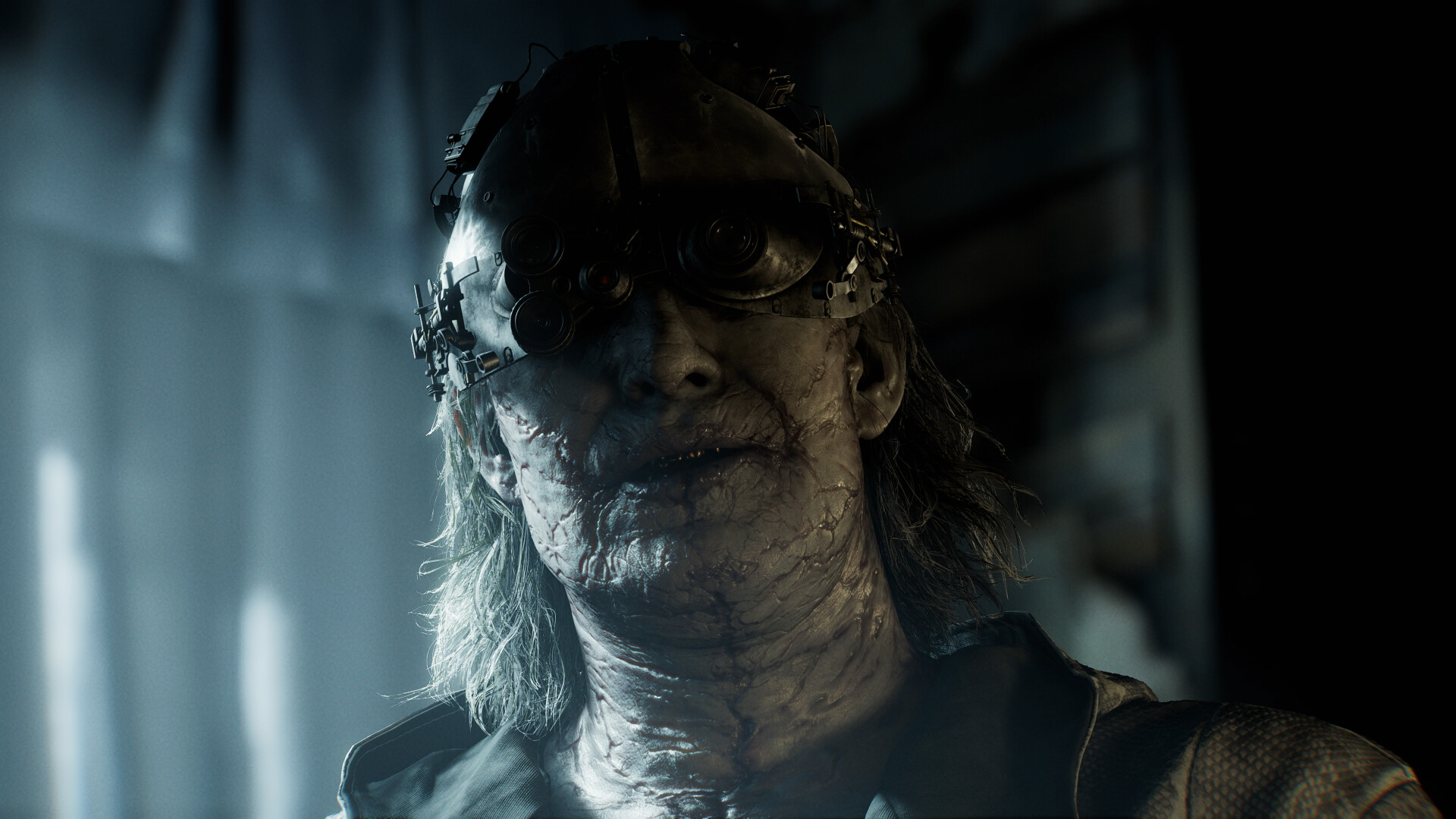
The pacing is slower than Village, a demonstrably correct decision. The game bravely embraces discomfort and sustained anticipation. Resident Evil 9 represents the culmination of extensive self-reflection. It avoids being either a nostalgic pastiche of 90s titles or an action game masquerading as horror. Instead, it stands as a confident, modern interpretation of survival horror. The series lost its foundational identity after the fifth installment, rediscovered its path with the seventh, and wavered with Village. Here, however, the direction feels resolutely clear, even if its approach is nuanced.
Another area where Resident Evil 9 excels – and where the series has historically demonstrated mastery – is its nuanced sense of escalation. The initial stages unfold almost imperceptibly, feeling small, intimate, and constrained. The opening hours are deliberately minimalistic. Players contend with scarce resources, limited information, and a singular, almost primal objective: survival. Environments are constricted, threats ambiguous, and the narrative is hinted at rather than explicitly detailed, creating a subdued, almost restrained atmosphere. Yet, a gradual transformation occurs. Hours later, one realizes the profound extent of the narrative’s progression. What began as an isolated incident evolves into something far more expansive. New areas have opened, relationships have changed, truths have been exposed, and the stakes have elevated considerably. It’s a classic Resident Evil structure: a trajectory from the personal to the catastrophic.
Impressively, the game’s progression never feels rushed or disjointed. The escalation is gradual and organic. Just like in the series’ best moments, the threat builds layer by layer until the initial tranquility becomes a distant memory. When the credits roll, it feels almost surreal to reflect upon that initial hour – the sense of limited scale and nascent understanding. It is precisely this journey – from claustrophobic beginnings to monumental conclusions – that Resident Evil 9 executes with such remarkable prowess.
Resident Evil requiem is not the most action-packed installment in the series. It is something superior: a mature, cohesive, and genuinely frightening title that confidently asserts its identity.
Capcom provided a review code for this review. The material provider exerted no editorial influence over this review’s content.
