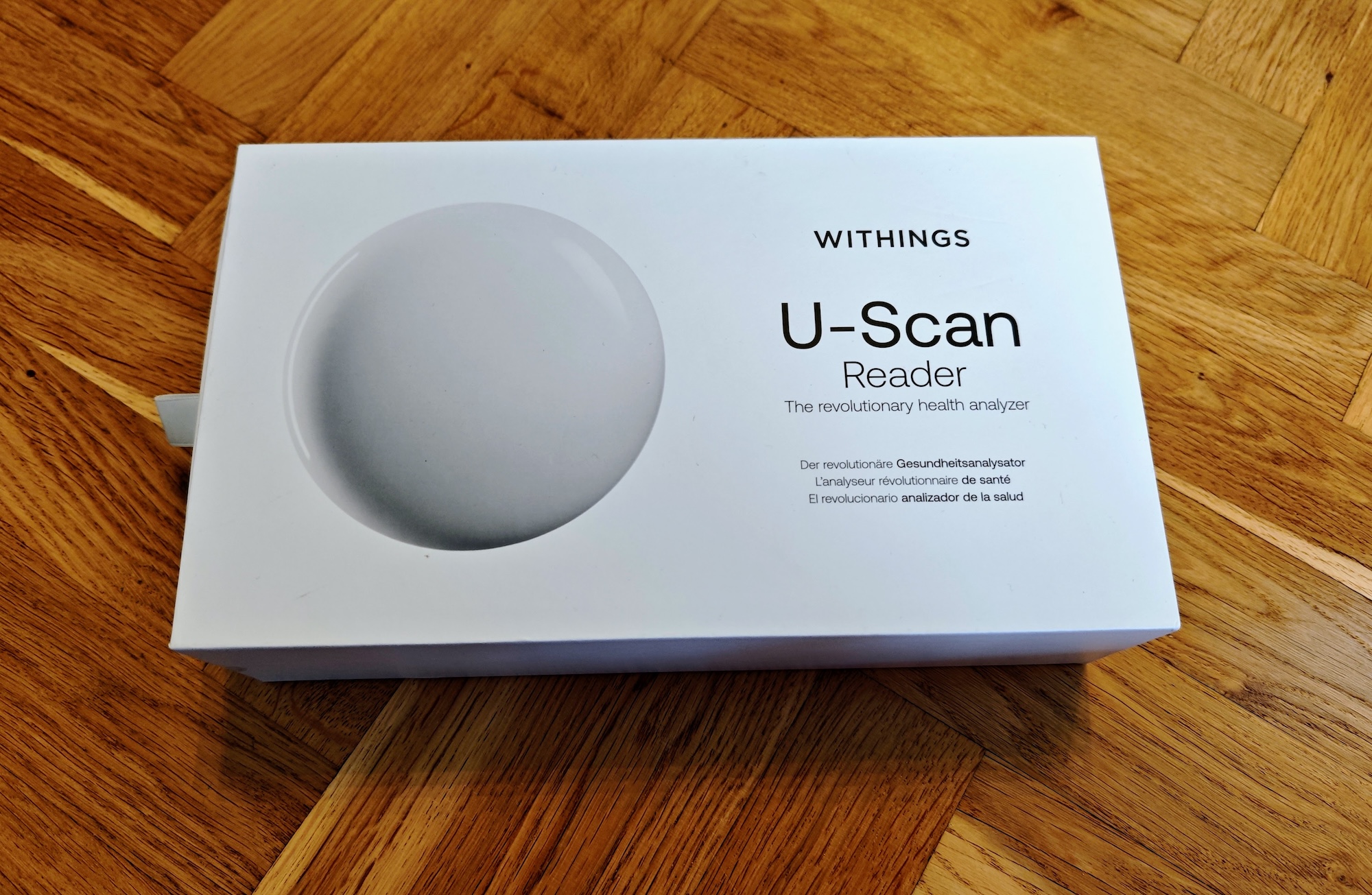
TL;DR
Ever wondered what your pee could tell you about your health? Withings' U-Scan toilet sensor aims to turn your bathroom breaks into a mini lab, measuring things like pH, ketones, and hydration. While the tech is impressive and the app integration is slick, this advanced gadget comes with a hefty price tag and requires a subscription for replacement cartridges. It's a powerful tool for the truly dedicated health optimizer, offering fascinating insights into your body's metabolic state and hydration levels. But is the high cost and limited scope worth it for the average user? Dive into our full review to find out if this innovative device is a game-changer or a costly curiosity.
We’ve witnessed significant advancements in personal health monitoring since the advent of the first pedometers. Today, devices like smartwatches and specialized mats enable us to measure parameters such as oxygen saturation, ECG, and detect sleep apnea. Now, Withings, the innovative French health-tech company, has extended its reach into an even more personal domain: the bathroom. Specifically, the toilet. The Withings U-Scan promises to transform daily urination into a sophisticated laboratory analysis. This review aims to assess whether it delivers on its comprehensive measurement claims and justifies its cost.
Installation and Practical Considerations
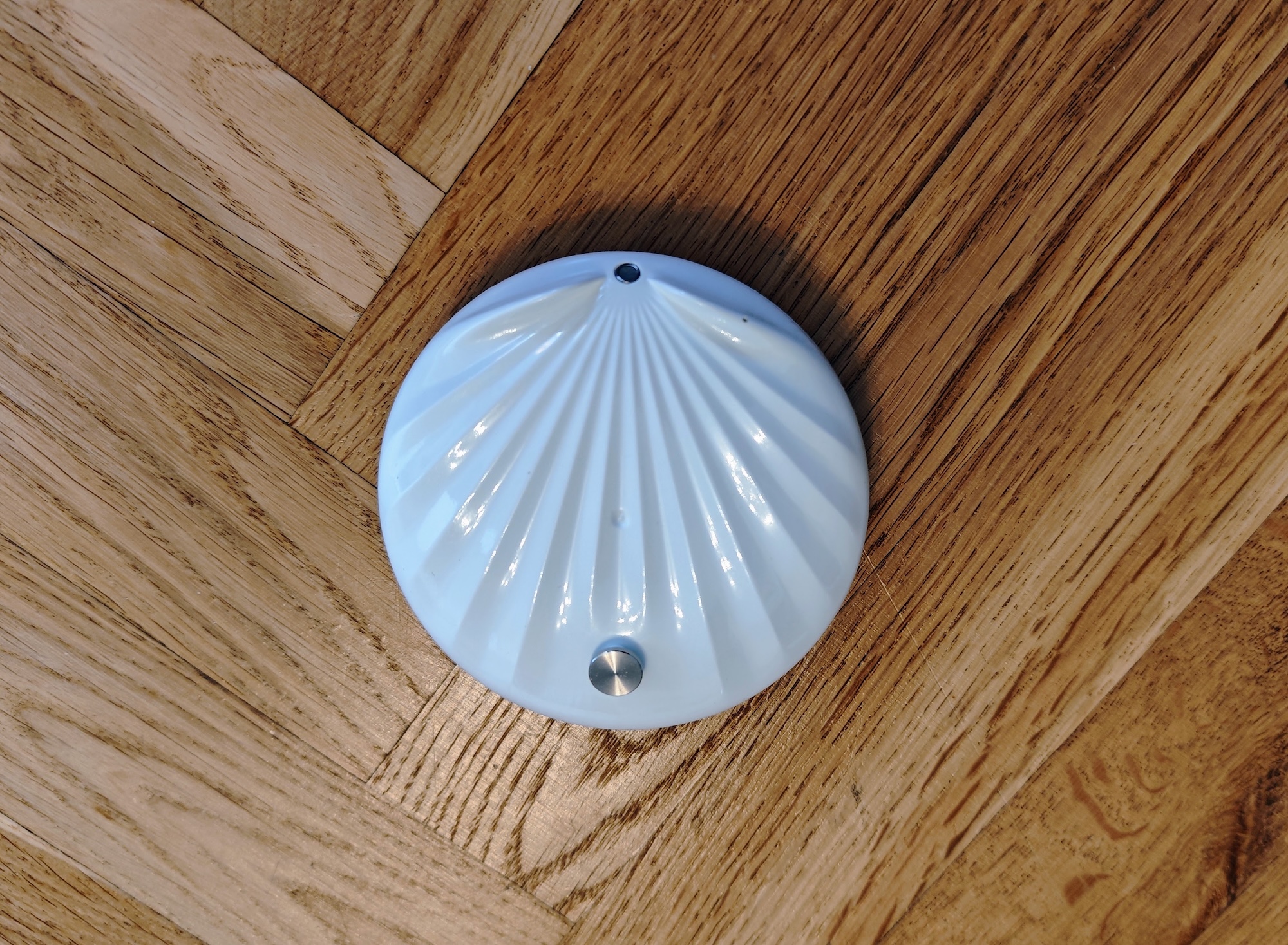
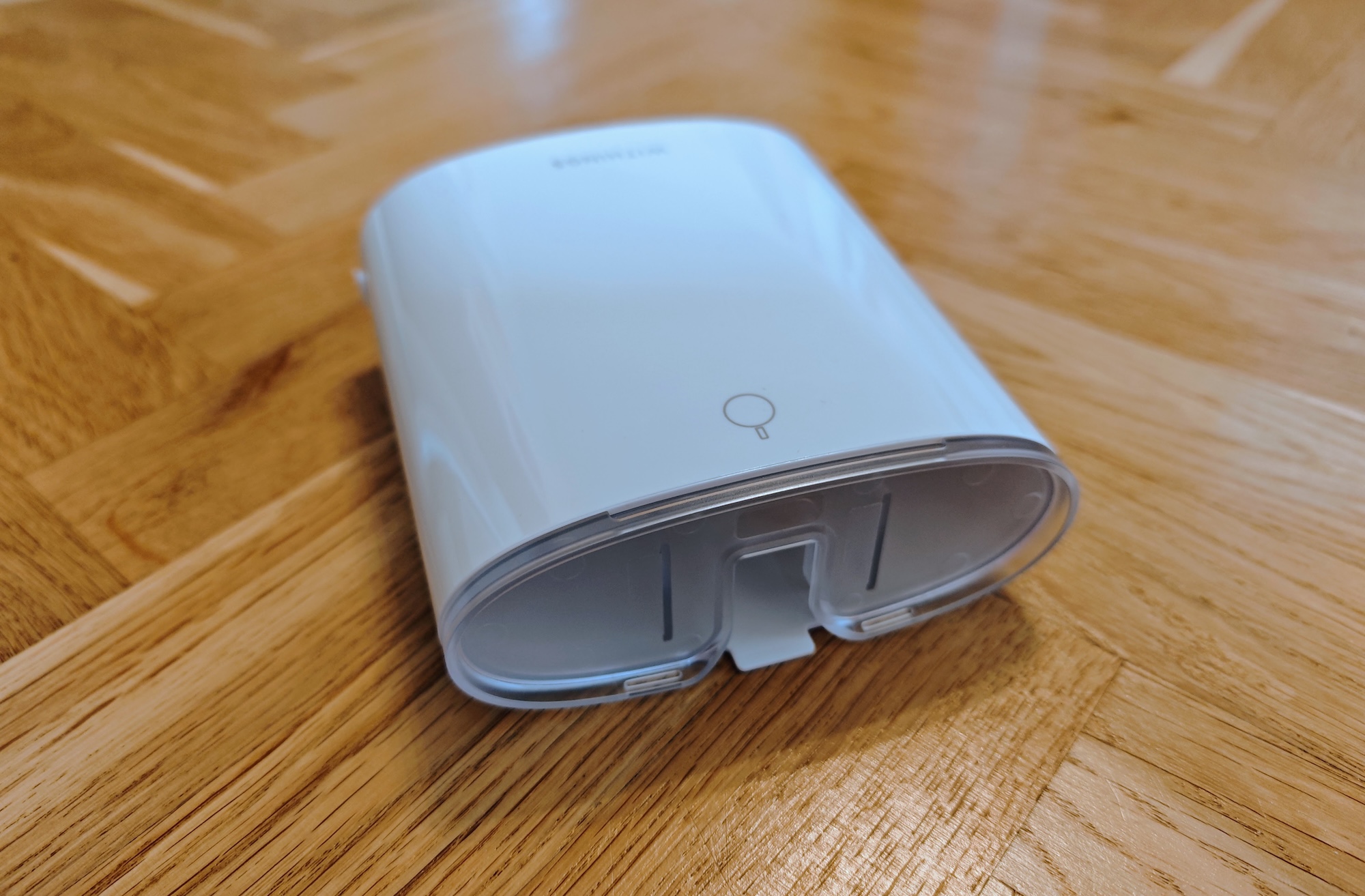
The U-Scan is a compact, shell-shaped or puck-like device designed to attach to the rim of the toilet bowl, akin to a hygiene block. While its design is elegant, the concept of installing advanced electronics in this particular location is certainly novel.
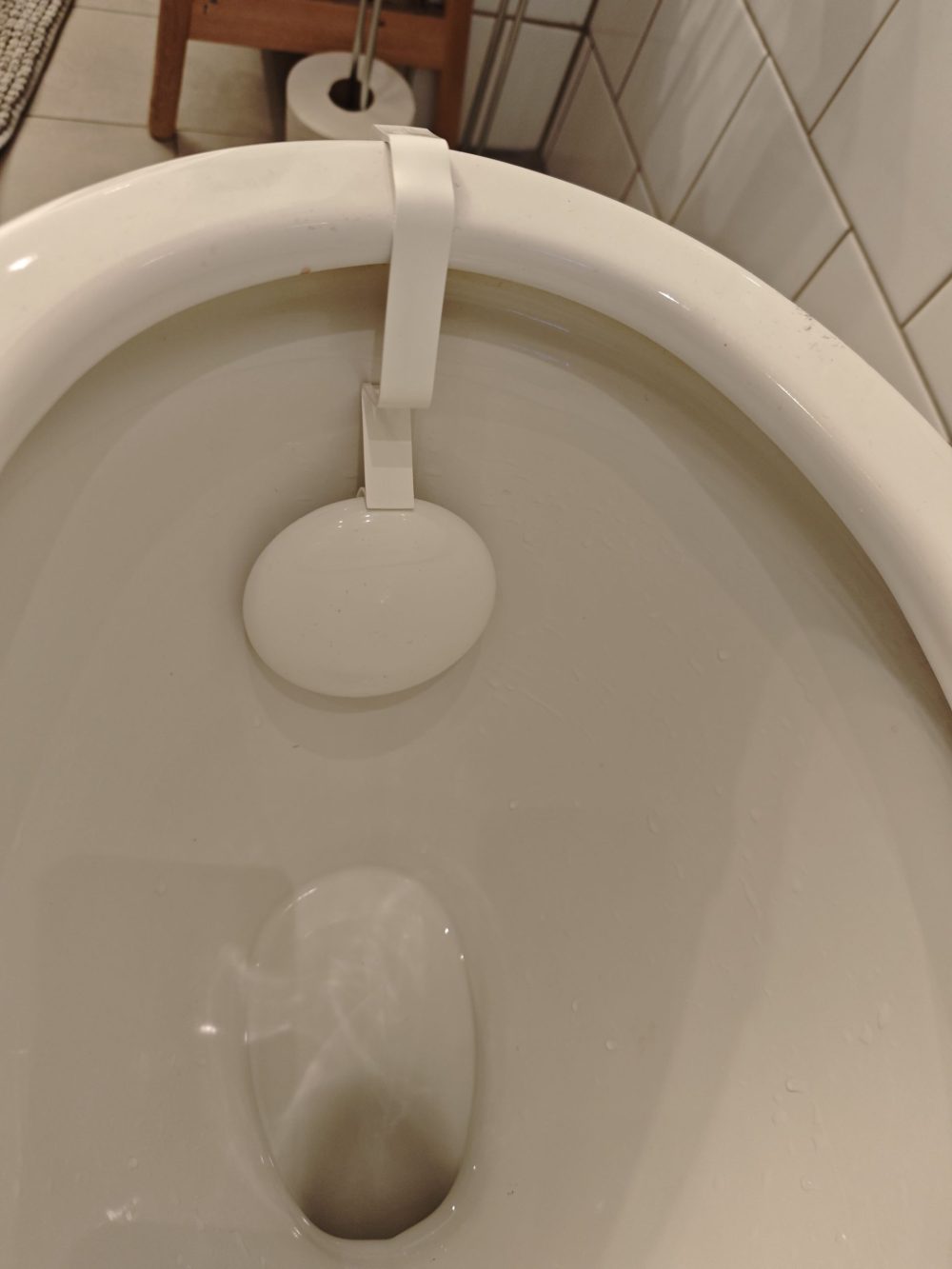
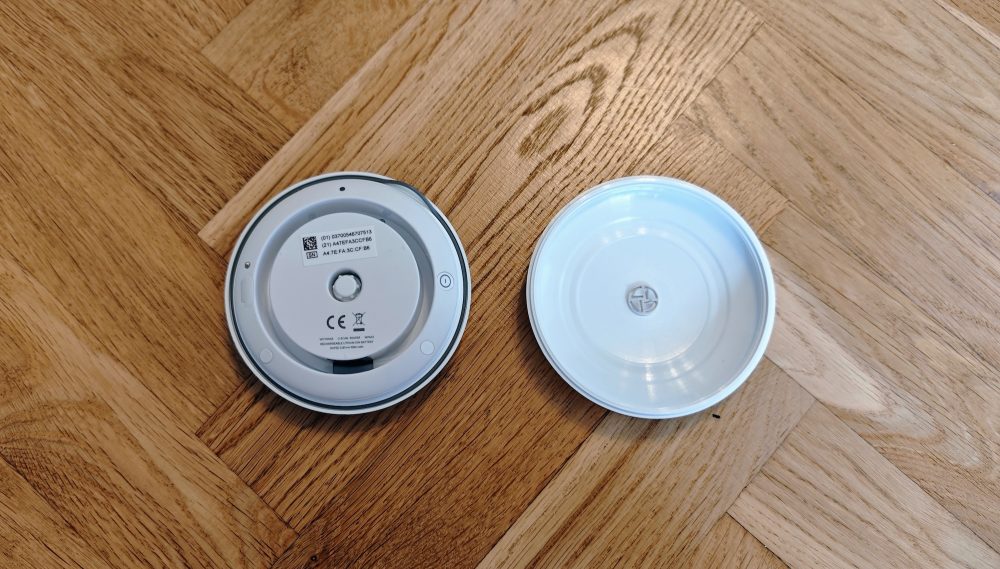
Installation, managed through the Withings app, is generally straightforward but involves some manual steps. Users must charge the device (which offers approximately three months of battery life) and insert one of the specialized cartridges, each designed to measure different biomarkers. These cartridges must be precisely loaded into the puck, which then needs to be carefully screwed together. This process proved unusually intricate for a Withings product, which typically boasts commendable ease of setup. For male users, the U-Scan also necessitates a behavioral adjustment: for optimal measurement accuracy, urination should occur in a seated position. The device is capable of user identification based on urination patterns, though this requires initial training and manual confirmation via the app during the first few uses.
Scope of Measurement Capabilities
This section addresses a critical aspect of the U-Scan’s utility. While Withings positions the U-Scan as a miniature laboratory, the reality is more nuanced. Urine contains over 3,000 metabolites, representing a rich source of health data, yet the U-Scan currently analyzes only a limited subset of these per cartridge.
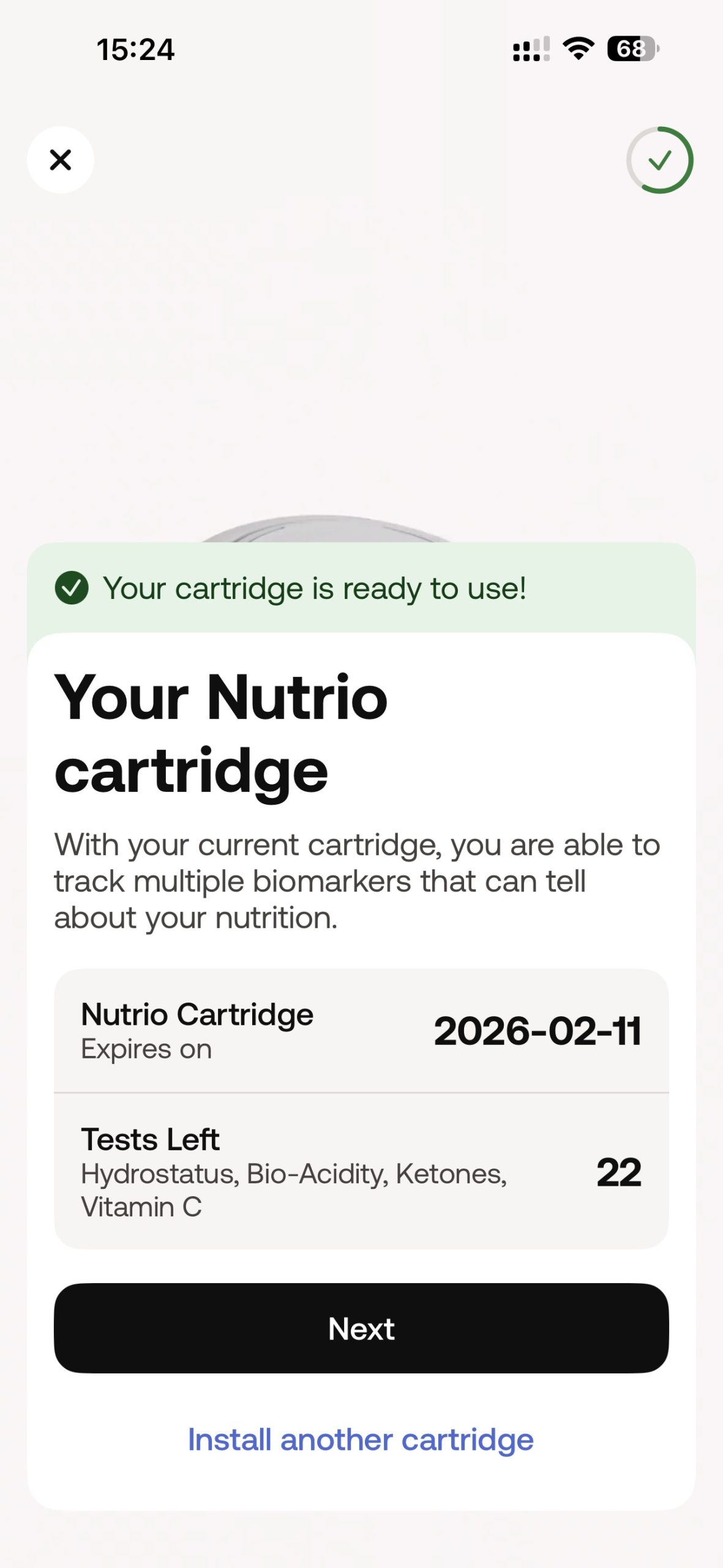
The Nutri Balance cartridge (the model we evaluated) focuses on four key indicators: pH value, ketones, Vitamin C, and hydration balance. Three of these are relatively self-explanatory, but the significance of ketones warrants further explanation. Briefly, ketones serve as an indicator that the body has shifted from carbohydrate metabolism to fat burning (ketosis). Monitoring this provides tangible evidence of the efficacy of fasting, exercise routines, or dietary strategies at a cellular level. This offers valuable insight into metabolic flexibility, helping users understand their metabolic state and whether they maintain adequate hydration or consume excessively acidic foods. However, it’s important to note that the U-Scan does not measure glucose, protein, or markers of infection – common parameters typically included in standard clinical urine tests and which would be beneficial for routine health monitoring.
The Cycle Sync cartridge is designed to measure LH (luteinizing hormone) levels for ovulation prediction, in addition to pH and hydration balance. While highly beneficial for individuals focused on fertility optimization, this represents a niche application that was not within the scope of our testing or evaluation.
A Calci cartridge, expected to be released soon, will measure kidney-related parameters, and we anticipate revisiting this for future testing.
In conclusion regarding measurement scope: the U-Scan does not offer a comprehensive analysis of all possible urine parameters. Instead, it measures what Withings has developed and packaged into its various interchangeable test strips. While adequate for certain home monitoring needs, it does not substitute for a full-scale clinical analysis, particularly for individuals managing health conditions or seeking broader health insights.
Cost-effectiveness: A Significant Investment
While acknowledging the innovation, it is equally important to address the economic implications. The U-Scan device itself retails for approximately SEK 4,000. This initial purchase includes one cartridge, providing an estimated three months or 22 measurement instances (measurements must be manually initiated via the app to prevent premature degradation from toilet flushing). Subsequent to this, users transition to Withings’ subscription model, where replacement cartridges cost around SEK 1,000 per quarter. This represents a substantial ongoing expense.
For the average user with a general curiosity about their health, this cost structure is challenging to justify. For the same investment, one could acquire hundreds of conventional urine test strips, though these would lack the seamless app integration and trend analysis capabilities that are a hallmark of Withings’ ecosystem. Ultimately, the U-Scan positions itself as a premium product primarily for “quantified self” enthusiasts or those with very specific monitoring requirements, such as fertility tracking.
User Experience and App Integration
A consistent strength of Withings products lies in their software. The accompanying app efficiently aggregates urine data with other health metrics, such as weight from a smart scale (potentially the new Body Scan 2, the successor we plan to test soon) and sleep data, if compatible devices are connected. Observing how a late, heavy dinner with wine can influence one’s pH value the following morning provides compelling, immediate feedback that can genuinely motivate behavioral changes, even though the most accurate readings are typically obtained mid-day (most individuals experience some level of dehydration after a night’s sleep).
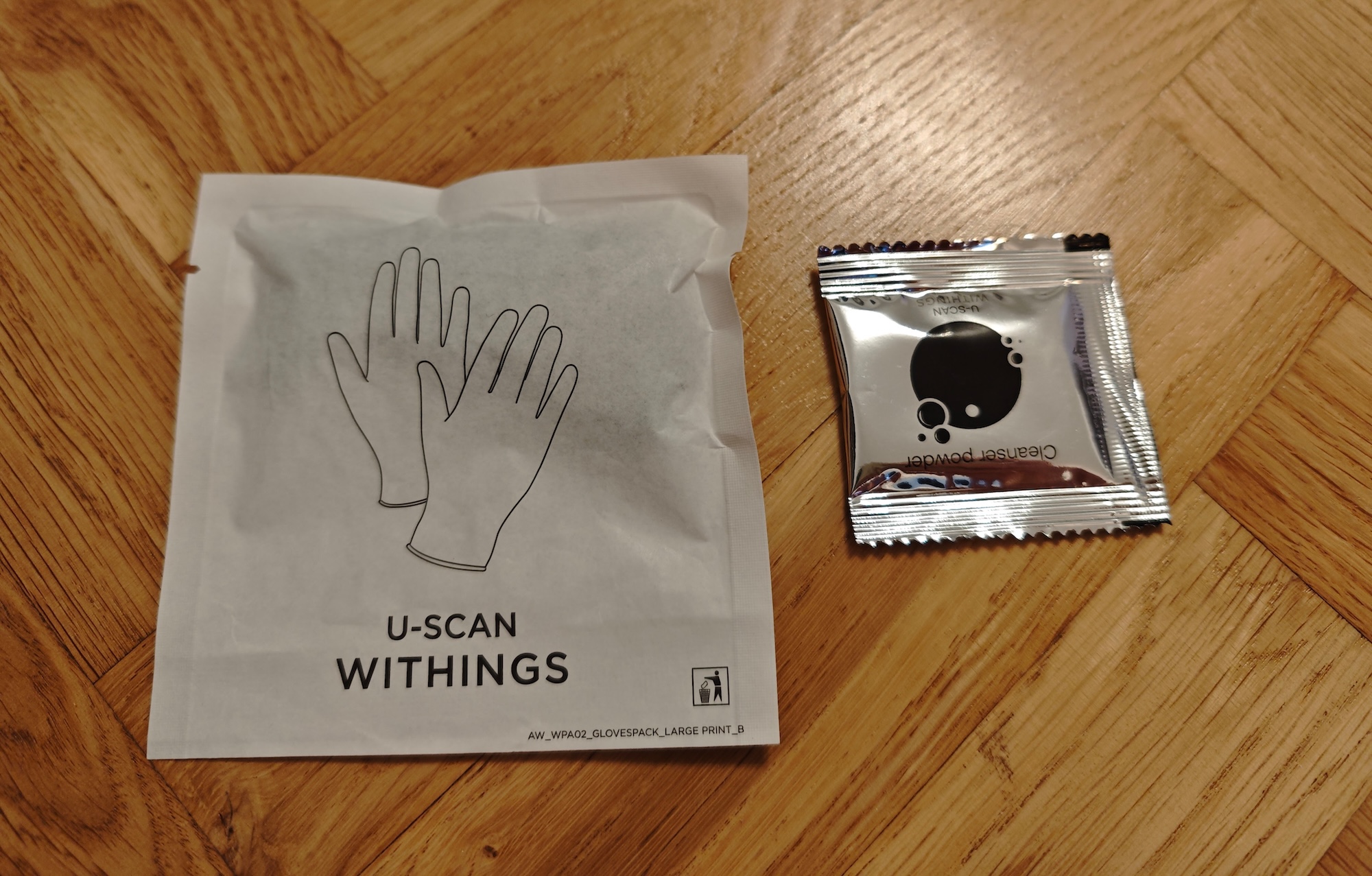
The device itself is generally discreet, though a subtle whirring sound can occasionally be heard as it draws urine into the test chamber, which can be noticeable in a quiet bathroom environment during the night. Maintenance is also a factor; Withings provides gloves, but users will inevitably need to handle the device for cleaning, charging, or cartridge replacement, tasks inherent to its design and function.
Conclusion
The Withings U-Scan represents a considerable technical achievement, delivering precisely what it promises within its defined scope. The ability to miniaturize an optical laboratory into a toilet-mounted device is impressive engineering. However, given that the measured parameters are neither critical for immediate health emergencies nor extensive in number, the substantial price, particularly the ongoing cost of cartridges, becomes challenging to justify for a broad audience. For the dedicated health optimizer keen on closely monitoring ketosis and pH values, it is an impressive tool. Yet, for the average individual, the combined hurdles of initial investment and ongoing maintenance are too significant to warrant a straightforward recommendation. It provides a somewhat limited analytical range for our preferences, but within that range, it performs competently enough to pique interest – assuming one’s budget aligns with their curiosity.
Withings provided review samples for this test. Material providers have no editorial influence on our tests; we always write independently with our readers and consumers in focus.
