
TL;DR
OnePlus is back with its latest flagship, the OnePlus 15, boasting "Power On. Limits Off." This phone impresses with its incredible 7,300 mAh battery offering days of use, exceptional performance powered by the Snapdragon 8 Elite Gen 5, and robust IP66/68/69K durability. While it drops the beloved Alert Slider for a new Plus Key and its camera, though good, doesn't quite reach the top tier of competitors, it offers a compelling package. With a smooth 165Hz display, rapid 120W charging, and a refined OxygenOS, it's a powerhouse. Is this OnePlus the king of battery life and performance? Dive into the full review to find out!
In its twelve years on the market, OnePlus has evolved from a company known for producing “near-flagship” phones at mid-range prices to an established player with devices across most price segments. This marks our first review of a OnePlus phone at Senses, though we have previously tested and been impressed with both their tablets and watches, and several team members have owned previous smartphone models.
Now, we turn our attention to a true flagship. OnePlus introduces the device with the tagline “Power On. Limits Off,” highlighting not only maximized performance but also an exceptionally large battery capacity. How effectively does the OnePlus 15 compete in the current market? Let’s delve into our findings.
Design and Build Quality
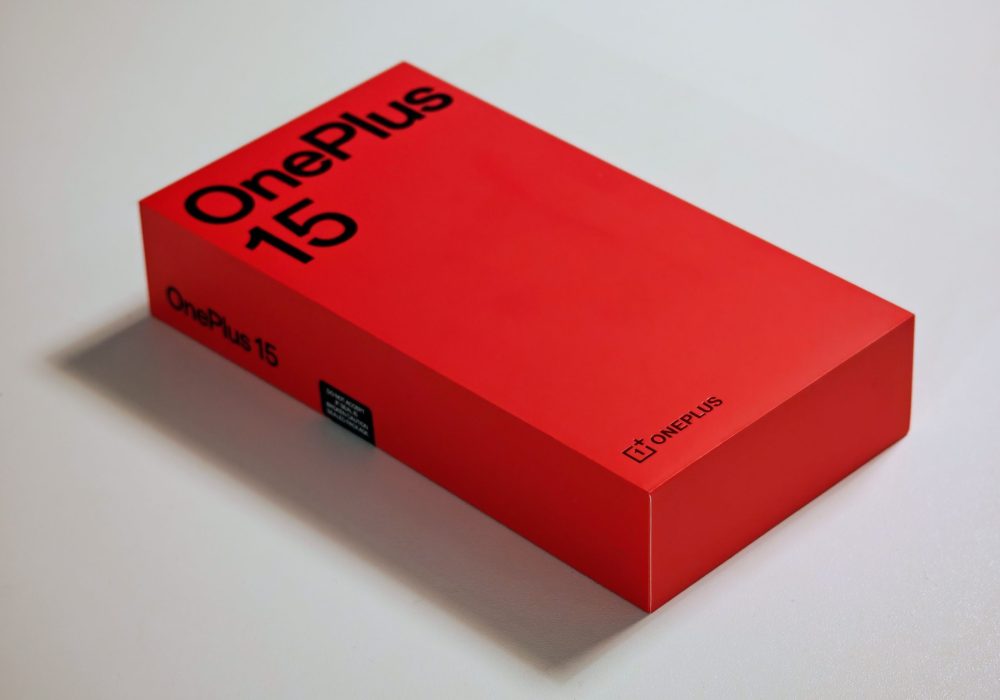
Upon unboxing the OnePlus 15 from its distinctive red packaging, the initial impression is of a design that feels quite understated and conventional.
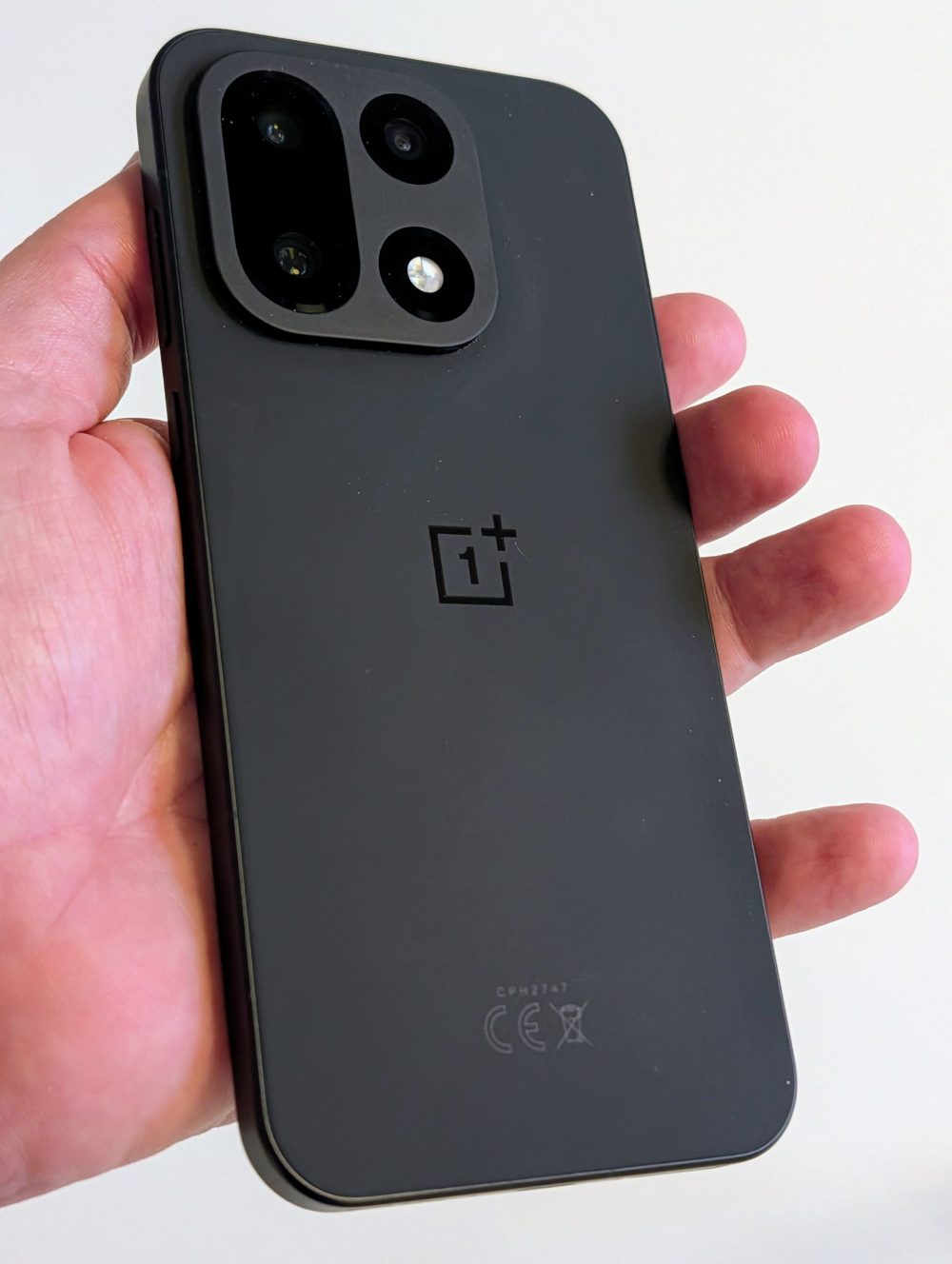
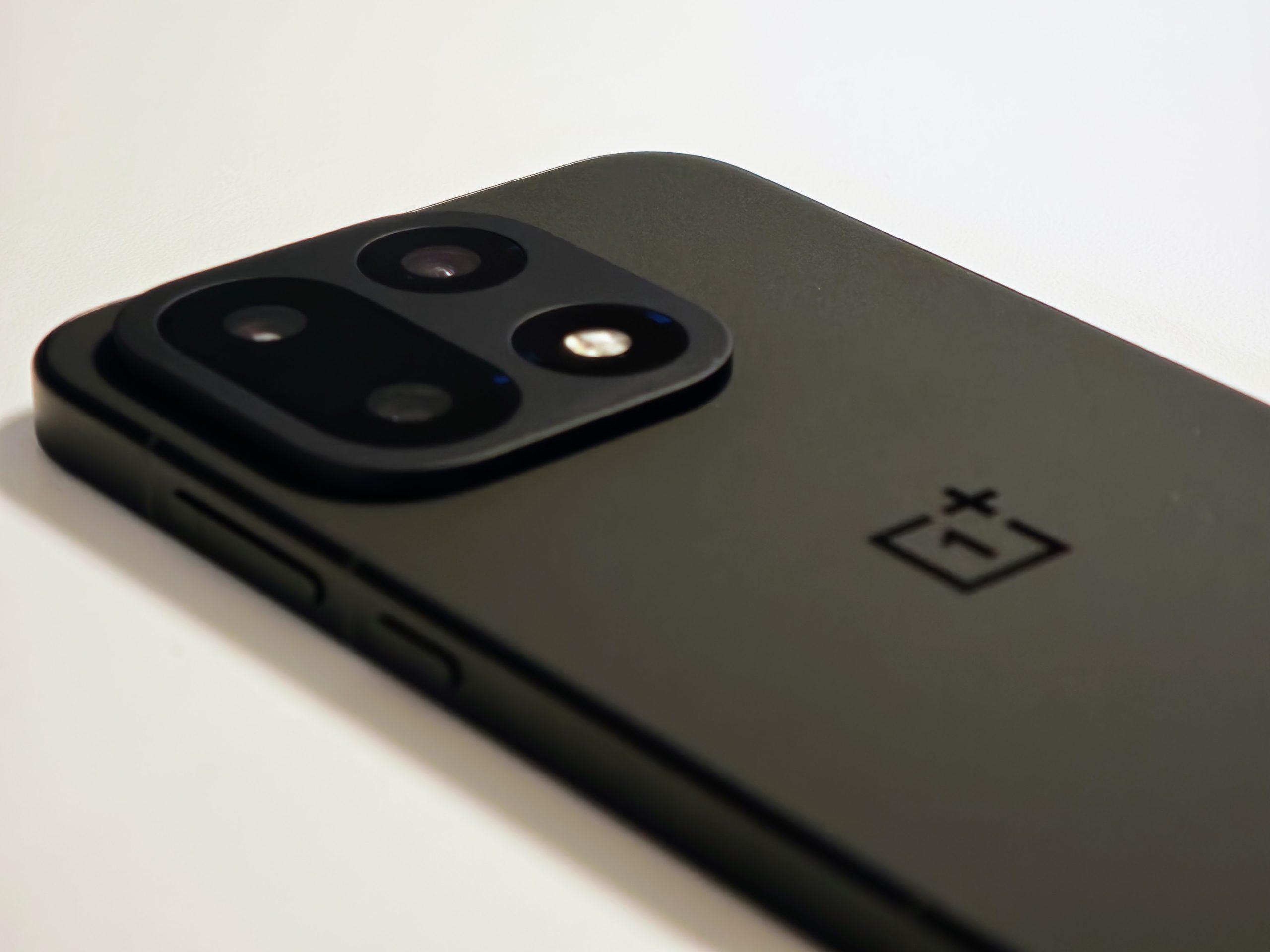
The model under review is presented in ”Infinite Black,” a matte finish with a textured back that significantly enhances grip. This design choice effectively prevents fingerprints and provides a secure hold. The aluminum frame contributes to a very solid in-hand feel. Notably, the camera module protrudes minimally from the chassis, allowing the phone to rest completely stable on a flat surface despite its off-center placement.
The build quality is exceptional, underscored by the device’s comprehensive IP rating, encompassing IP66, IP68, and IP69K. This certification theoretically indicates resilience against high-pressure water jets at 80 degrees Celsius and 100 bar, providing robust durability.
For those seeking a more distinctive aesthetic, the “Sand Storm” variant features a fiber-reinforced polymer back, designed to mitigate the risk of cracks. Its frame undergoes Micro-Arc Oxidation (MAO) treatment, yielding a ceramic surface reportedly harder than titanium.
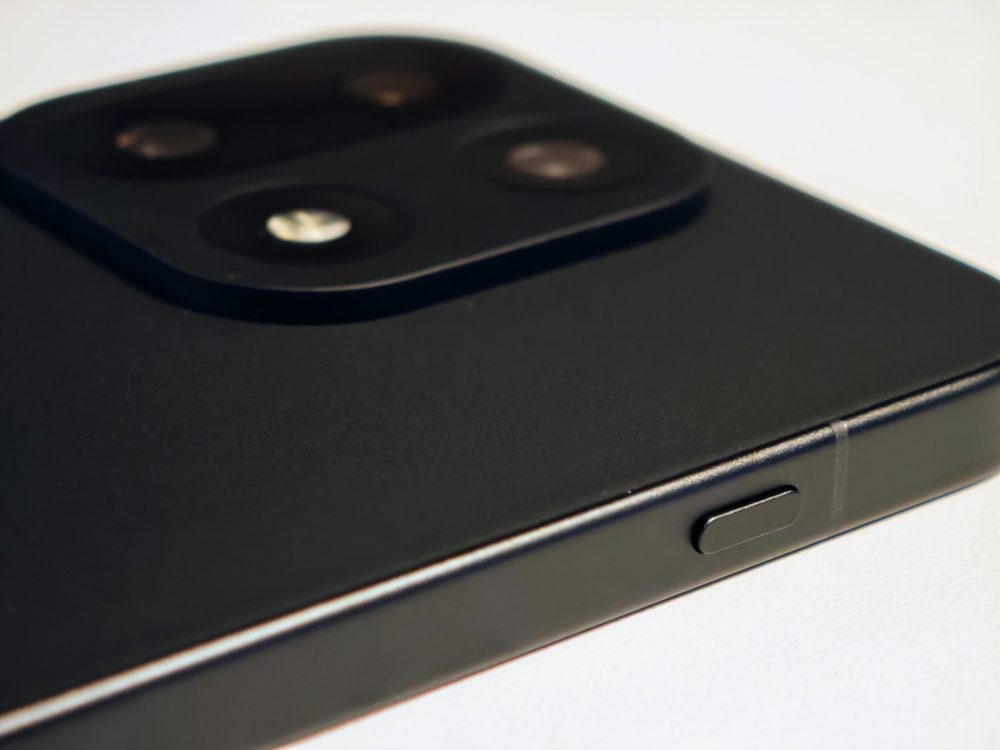
A significant design alteration, and one that may divide opinion among long-time OnePlus users, is the replacement of the iconic ”Alert Slider.” The mechanical switch has been supplanted by a new ”Plus Key.”
This programmable push-button offers various functions. However, it lacks the direct, tactile feedback of the Alert Slider, which allowed for quick, discreet switching to silent mode without retrieving the phone from a pocket. This change removes a feature that historically differentiated OnePlus devices. Yet, in 2026, with many users setting their phones to silent by default, the rationale behind this evolution is understandable.
The stereo speakers warrant specific mention, delivering impressive audio quality for a mobile device.
Display
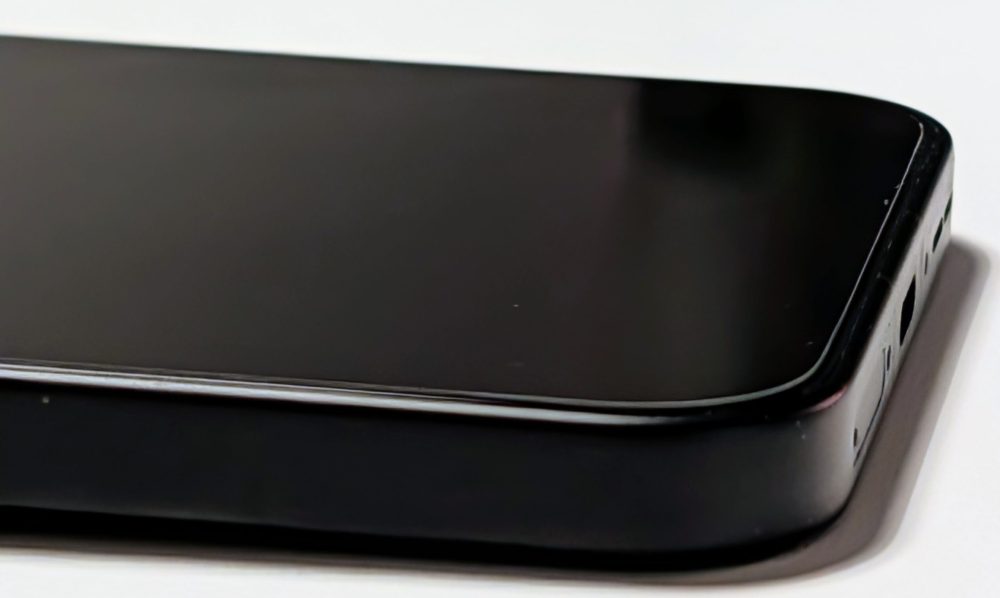
The device features a flat 6.78-inch LTPO OLED panel. OnePlus’s adoption of a completely flat display is a welcome change, as it minimizes the risk of accidental touches and simplifies the application of screen protectors (a factory-installed protector is included).
The resolution is 1.5K (2,772 x 1,272). While this might appear to be a lower resolution for a flagship, the pixel density of 450 ppi ensures no perceptible difference compared to a 2K screen. OnePlus states this choice was made to optimize battery life and support the higher refresh rate of 165 Hz.
For users sensitive to display flicker, it is pertinent to note that the screen employs high-frequency PWM dimming at 2,160 Hz at low brightness levels.
The display supports a refresh rate of up to 165 Hz, which is activated specifically in compatible games. For general navigation and browsing, the display operates at 120 Hz, offering remarkably smooth performance. Touch responsiveness is instantaneous, largely due to a dedicated touch-chip providing an “instant touch sampling rate” of 3,200 Hz, resulting in an exceptionally direct interaction experience.
Performance and Software
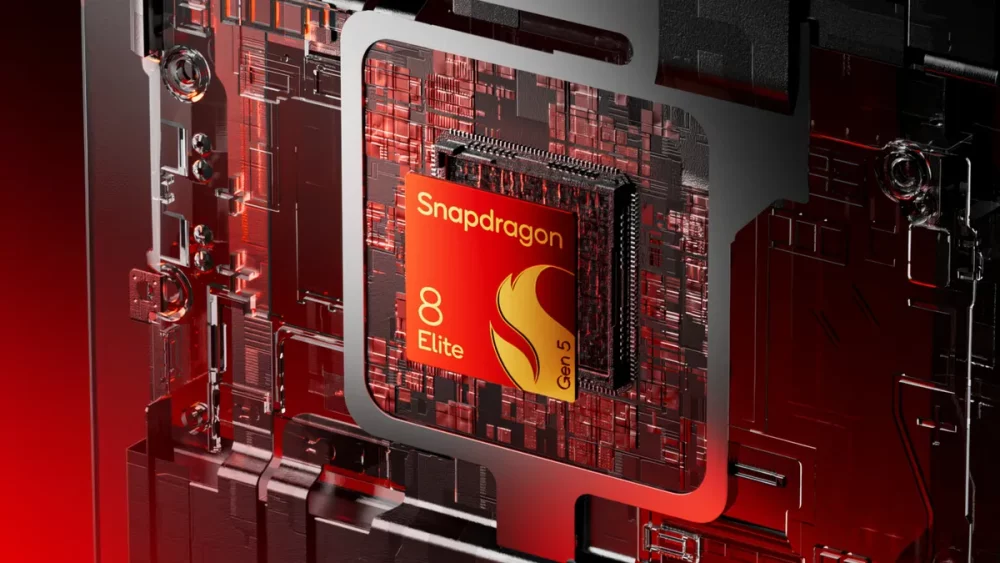
Powering the device is the Snapdragon 8 Elite Gen 5 processor, featuring Qualcomm’s Oryon cores clocked at an impressive 4.6 GHz. This is complemented by a dedicated graphics chip and a specialized Wi-Fi chip engineered to ensure connection stability. Our test unit, equipped with 16 GB of LPDDR5X Ultra+ RAM, demonstrates exceptional speed. Regardless of the application, performance is remarkably swift.
Early in our testing period, the phone exhibited some thermal management challenges, leading to crashes in highly demanding benchmarks such as 3DMark, though this was never encountered during typical usage. However, OnePlus has seemingly addressed this with a software update that optimized processor load handling. Extensive stress testing post-update has failed to reproduce the issue.
During prolonged gaming sessions in titles like Genshin Impact or Call of Duty Mobile (where the 165 Hz mode is utilized), performance remains consistently stable. The “360 Cryo-Velocity” cooling system, which incorporates a vapor chamber and aerogel components to insulate heat from the screen, performs effectively.
The software, OxygenOS 16, built upon Android 16, operates with exceptional fluidity, a trait OnePlus attributes to its “Parallel Processing 2.0” technology. The interface is clean and refined. While we generally prefer a completely stock Android experience (as seen on Pixel devices), OxygenOS 16 offers a commendable user experience.
The AI initiative “Plus Mind” is deeply integrated. Users can long-press the Plus Key to analyze on-screen content and save it to “Mind Space.” While functional for saving and organizing information, its practical utility can feel somewhat limited in daily use. Despite genuine attempts during the testing period, we found it challenging to consistently leverage the feature for significant benefit. It shares conceptual similarities with a more developed version of “Pixel Screenshots” found on Pixel phones, with the notable advantage of robust functionality with Swedish language content.
OnePlus pledges four major OS updates and six years of security updates. This commitment is acceptable, though it falls slightly short of the extended support offered by competitors like Samsung, Google, and Apple.
Battery and Charging
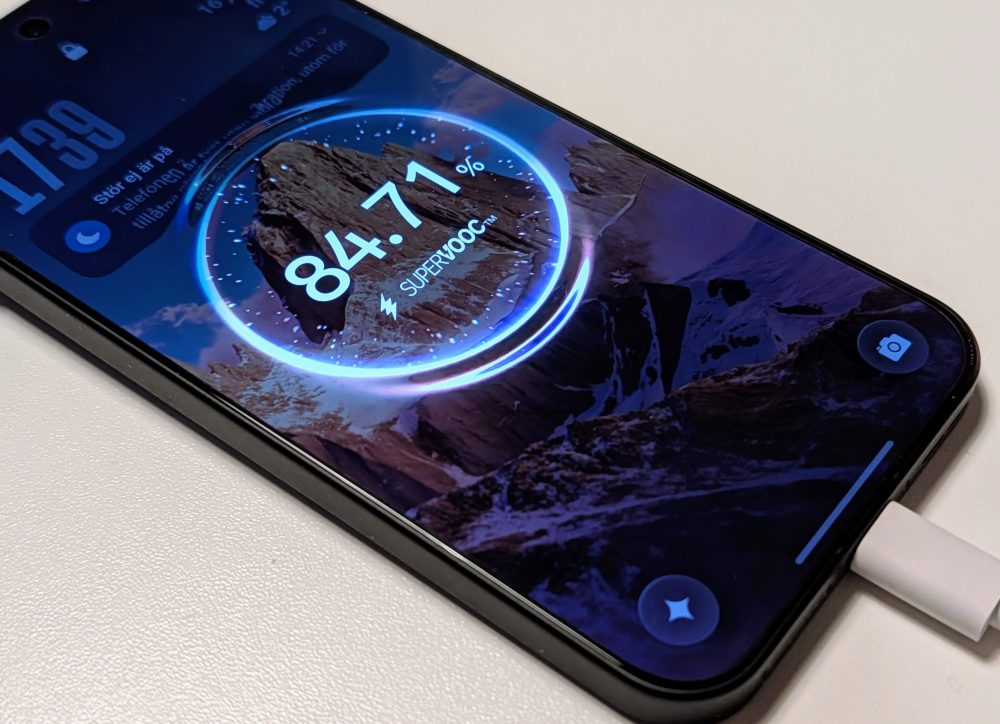
Battery performance represents this phone’s most compelling advantage. Utilizing its ”Silicon NanoStack” technology, OnePlus has integrated a remarkable 7,300 mAh capacity into this relatively slim device. Battery life is, quite simply, exceptional. During our testing period, we consistently achieved two, and occasionally almost three, days of usage on a single charge.
The phone supports charging speeds of up to 120 W. However, achieving this speed necessitates a proprietary OnePlus charger, which is not bundled with the device. With such a charger, a full charge takes just over 40 minutes, with a 50% charge reached in approximately fifteen minutes. When tested with standard office chargers, maximum charging speed reached around 50 W, extending a full charge to approximately an hour.
Wireless charging is also supported. Similarly, specialized OnePlus chargers with AirVOOC support are required to achieve the maximum wireless speed of up to 50 W. With standard Qi chargers, power is limited to 15 W. Notably, the device does not feature integrated magnets for standards like Magsafe or Qi2.
Camera
OnePlus’s long-standing collaboration with Hasselblad has concluded. The company now leverages its proprietary “DetailMax Engine” technology for imaging. The main camera utilizes a Sony IMX906 sensor, with software designed to stack unexposed RAW data to maximize dynamic range. In daylight, results are often strong, but occasionally, the software processing can be overly aggressive.


The 50 MP main camera generally captures high-quality photos in daylight. Images are sharp, colors are vibrant, and dynamic range is commendable. However, in low-light conditions, the limitations of the sensor’s size become apparent.


Low-light photography tends to exhibit increased noise and reduced clarity compared to competitors such as the Pixel 10 Pro XL. Nevertheless, the results are commendable, and in certain scenarios, distinguishing between images from the OnePlus 15 and the Pixel 10 Pro XL can be challenging. Closer inspection on a larger screen typically reveals the Pixel’s superior detail, evident in better texture rendering on surfaces, reduced smudging, and sharper tree branches.








The telephoto lens, offering 3.5x optical zoom, performs acceptably but does not quite match the exceptional performance seen in competing devices like the Google Pixel 10 or Xiaomi 15 Ultra. In well-lit conditions or for indoor portraits, it delivers satisfactory results.
Its performance diminishes in challenging low-light environments. While OnePlus utilizes its ”DetailMax Engine” technology to compensate via software, this often results in images appearing somewhat overprocessed or lacking fine detail. While the outcome is not poor, it falls slightly short of the benchmarks set by rival flagships.
On the video front, stabilization is top-tier, and the capability to record in 4K 120 fps with Dolby Vision is impressive. A notable drawback, however, is the perceptible transition when switching between lenses during recording, impacting both color balance and field of view.
A selection of images captured during testing is provided below.








Conclusion
The OnePlus 15 makes certain trade-offs, particularly in unique design identity and absolute top-tier camera performance, to instead deliver potentially market-leading battery life and overall system performance.
With a recommended retail price of approximately 11,990 SEK, the device was available for under 10,000 SEK at the time of testing. This price point is notably more accessible than that of competing “Ultra” models. At this price, consumers receive a device that offers exceptional speed, robust durability, and unparalleled battery longevity.
For users prioritizing camera performance above all else, alternative devices such as a Pixel, Samsung S-series, or Xiaomi Ultra might be more suitable. However, for avid gamers, frequent media consumers, or those seeking superior battery endurance, the OnePlus 15 presents a compelling option.
The OnePlus 15 stands as one of the strongest contenders currently available in the Android market. With a slightly sharper camera system and a level of software update commitment comparable to Google or Samsung, it would undoubtedly achieve an even higher rating. As it stands, it earns a strong eight.
OnePlus sent review units for this test. Senders of material have no editorial influence on our tests; we always write independently with our readers and consumers in focus.
