
TL;DR
The Redmi Note 15 Pro+ upgrades its predecessor with a much-improved, grippy fiberglass back and impressive IP66/IP68 water and dust resistance, plus Gorilla Glass Victus 2 for durability. It boasts a bright 6.83-inch AMOLED display with a handy wet touch feature. Big wins include a massive 6,500 mAh battery offering nearly two days of life and 100W charging (charger sold separately). Performance is smooth for daily tasks thanks to the Snapdragon 7s Gen 4, but UFS 2.2 storage and a lot of pre-installed bloatware/ads detract from the experience, as does the camera relying on digital zoom beyond 2x. If battery, durability, and a great screen are your priorities over a top-tier camera and clean software, this phone is a strong contender. Read the full review to see if its trade-offs are worth it for you.
This is the successor to a standout device from last year, the Redmi Note 14 Pro+, which has since served as one of our references. While not excelling in any single area, its balanced performance and competitive pricing made it a compelling offering overall.
In this review, we assess how its successor, the Redmi Note 15 Pro+, measures up. We’ll examine whether Xiaomi has introduced significant advancements or if it largely reiterates its predecessor’s design.
Design and Build Quality
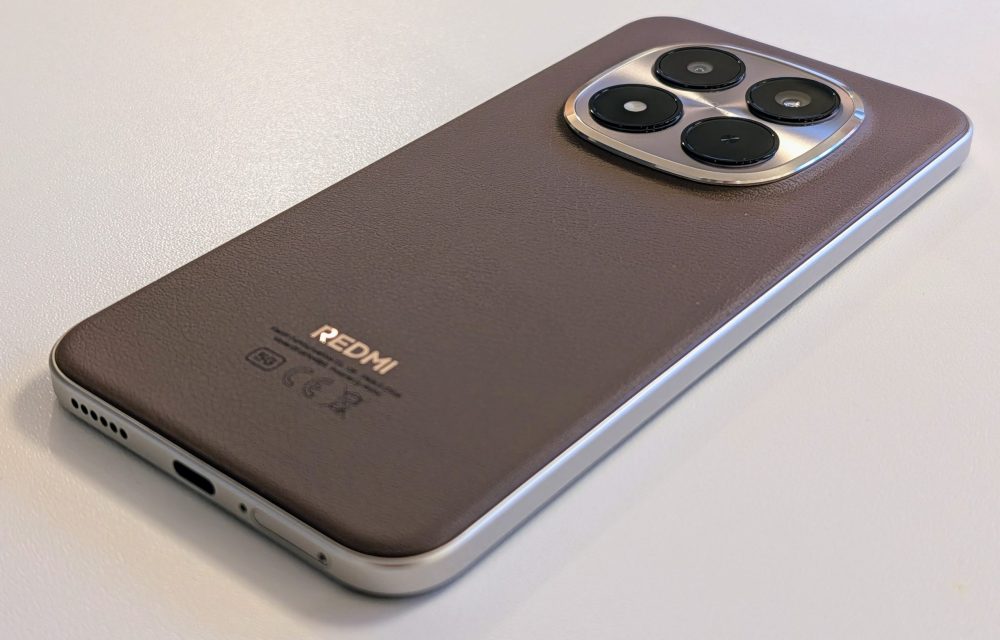
The Redmi Note 15 Pro+ immediately offers a distinct tactile experience compared to last year’s model. The unit we are testing, in Mocha Brown, features a fiberglass composite back with a leather-like texture.
This represents a significant improvement. Unlike the Note 14 Pro+’s notoriously slippery finish, this model provides a remarkably secure grip, mitigating concerns about accidental drops. Furthermore, the back is notably resistant to fingerprints.
The build quality is impressively robust. Xiaomi has placed a strong emphasis on durability with this model, reinforcing the corners and internal structure through what they term “Redmi Titan Structure”. The phone carries both IP66 and IP68 ratings, signifying resistance to both powerful water jets and submersion.
The front is protected by Gorilla Glass Victus 2, which Xiaomi claims allows it to withstand drops from heights of up to 2.5 meters. While we did not conduct drop tests, the device conveys a sense of resilience that suggests it could be comfortably used without a protective case (though a basic case is included in the box).
Screen
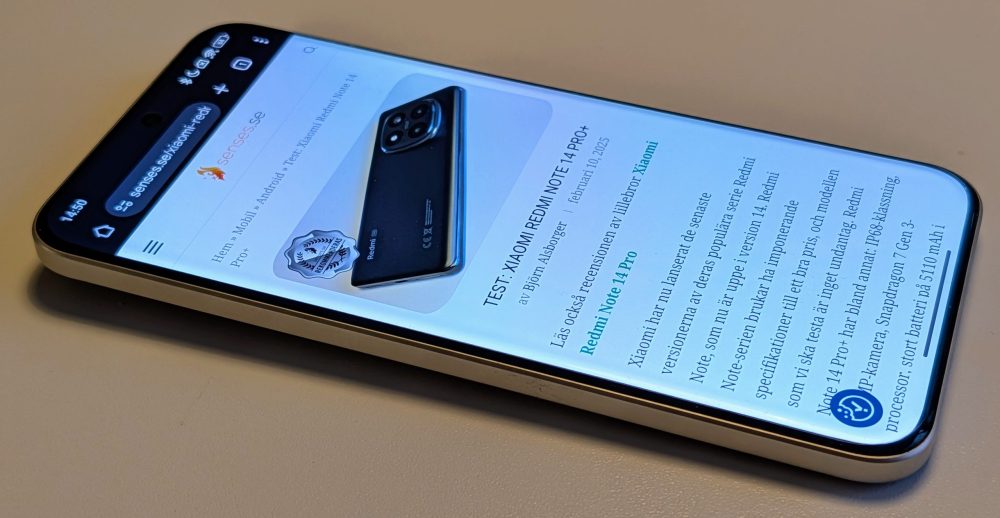
The screen is a 6.83-inch AMOLED panel featuring a 1.5K resolution (2772 x 1280 pixels) and a 120 Hz refresh rate. It’s an impressive panel with a peak brightness of 3,200 nits, ensuring excellent visibility even in direct sunlight. It features subtle curves at its edges. While aesthetically pleasing, some users may prefer a completely flat display. A screen protector is pre-installed.
A notable new feature is Xiaomi’s “Wet Touch 2.0,” which performed surprisingly well in our tests. Many users are familiar with touchscreens becoming unresponsive in wet conditions; however, this technology maintains responsiveness even when the display is wet from rain or damp fingers. This is a feature whose utility becomes evident upon practical experience.
Battery and Charging
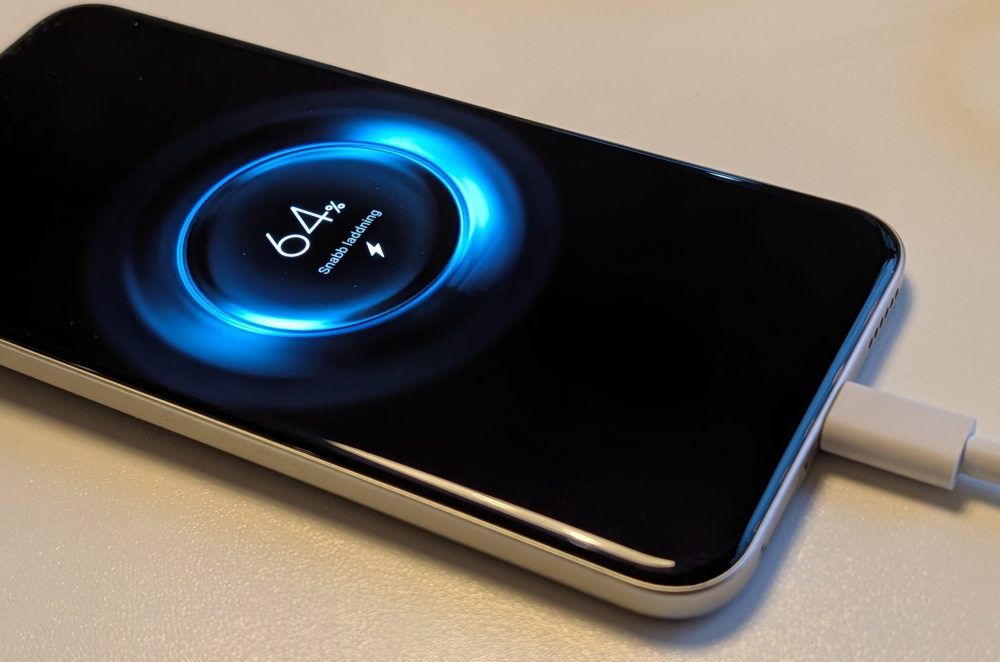
Significant advancements have been made in this area. Xiaomi has integrated a substantial 6,500 mAh battery by utilizing new silicon-carbon technology. The result is impressive battery endurance. With normal use, it enables nearly two days of typical use on a single charge.
The phone supports 100 W HyperCharge, enabling remarkably fast charging; however, there is a notable caveat. As is increasingly common with modern smartphones, including the Oneplus 15, the compatible charger is not included. Without a dedicated Xiaomi charger, charging speeds are limited to 50W. Therefore, to leverage the full HyperCharge speed, a compatible charger must be purchased separately. Our tests with a third-party Anker Prime charger typically yielded speeds of 30-35W.
There is no support for wireless charging, but it does offer reverse charging at up to 22.5 W. This is a practical feature for charging accessories like headphones or assisting other devices.
Performance and Software
At its core, the device is powered by a Snapdragon 7s Gen 4 processor. The ‘s’ designation indicates that while it may not be the highest-performing chip in the 7-series, it offers ample power for daily tasks. The system operates smoothly, with rapid app launches and no perceptible interface lag. However, its limitations become apparent when attempting to run the most graphically intensive games at peak settings, distinguishing it from flagship-tier processors. A slight disappointment is the inclusion of UFS 2.2 storage, which can result in slower transfer times for larger files compared to newer standards.
The phone comes with Xiaomi’s HyperOS, which is based on Android 15. While sleek and responsive, our previous observations in Redmi Note series reviews hold true: the quantity of pre-installed “bloatware” remains regrettably extensive.
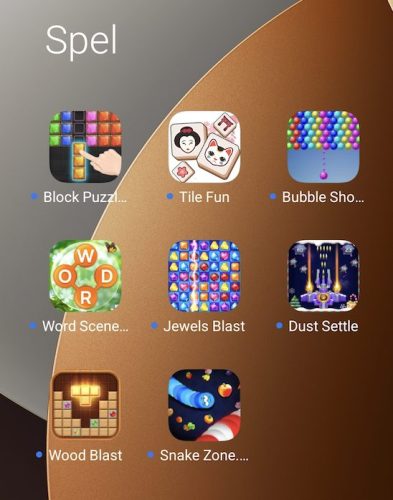
Numerous unwanted games and applications come pre-installed. While they can be uninstalled, their presence diminishes the device’s premium perception. Further detracting from the premium experience are unsolicited advertisements.

These advertisements can be mitigated by uninstalling Xiaomi’s browser or disabling its notifications; however, their initial presence is highly irritating.
As noted earlier, the device ships with Android 15, despite Android 16 having been available for several months. Consequently, Xiaomi’s commitment to four OS updates effectively translates to three, given the imminent arrival of Android 16. A promise of six years of security updates is provided, which is a commendable offering for a mid-range device.
Camera
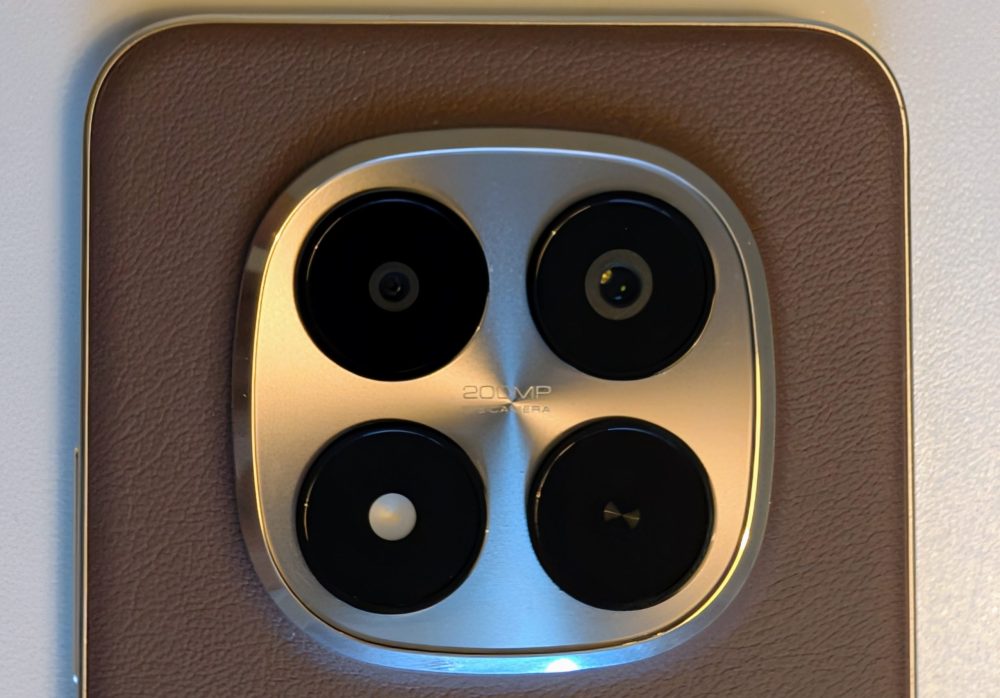
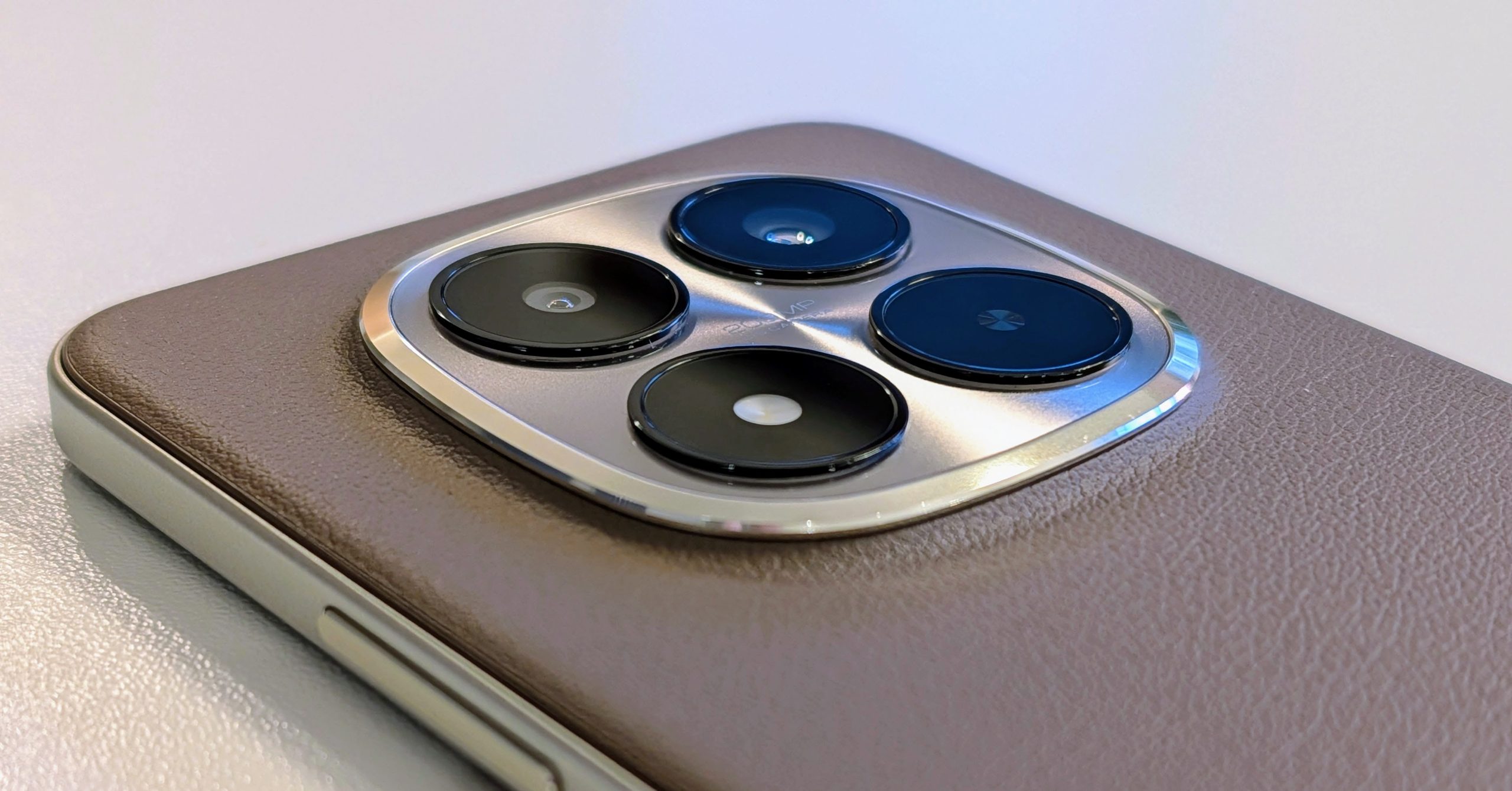
The camera array comprises a 200 MP main sensor with a substantial 1/1.4-inch size, an 8 MP ultrawide lens, and no additional functional cameras. While the module features a design suggesting three lenses plus a flash, the Nordic variant, unlike its Chinese counterpart, lacks a dedicated telephoto lens. Instead, Xiaomi employs a crop from the high-resolution 200 MP sensor for 2x and 4x digital zoom. The ‘third lens’ is purely aesthetic, serving no optical function.
In practice, the main camera delivers acceptable performance. Daylight photographs exhibit good sharpness and pleasant color reproduction, with 2x digital zoom remaining reasonably effective. Beyond 4x, however, the limitations of digital zoom become apparent, leading to a loss of detail and smudging. Higher zoom levels render images largely unusable. Here’s a comparison against the Google Pixel 10 Pro XL.








Under low-light conditions, the disparities in performance become more pronounced. Here are two different examples, also against the Pixel 10 Pro XL. One 1X example illustrates its difficulty in rendering wall details accurately while managing ambient light effectively. A second, more challenging example demonstrates 10X zoom performance in low light.




The 8 MP ultrawide sensor feels somewhat uncompetitive within this price segment. While adequate for well-lit landscapes, it suffers from reduced edge sharpness and significant noise in low-light environments.
Below is a selection of photographs captured during our testing:







Conclusion
The Xiaomi Redmi Note 15 Pro+ is an appealing device, especially for those who prioritize battery life and durability. Its new back panel provides an excellent in-hand feel, complemented by a visually impressive display. The assurance of water and drop resistance adds a significant layer of practical durability.
However, the lack of a dedicated telephoto lens and the prevalence of advertisements and bloatware moderately impact its overall assessment. The tested model (512GB / 12GB RAM) has a recommended retail price of 6,290 SEK, though it is available at a promotional price of 5,290 SEK during the launch period (until February 8th).
For users prioritizing extended battery life and robust durability over top-tier camera performance, the Redmi Note 15 Pro+ presents a compelling option, offering significant value. We recommend uninstalling unnecessary applications to mitigate advertisement exposure.
Xiaomi provided review units for this test. The sender of materials has no editorial influence on our tests; we always write independently with our readers and consumers in focus.
