
TL;DR
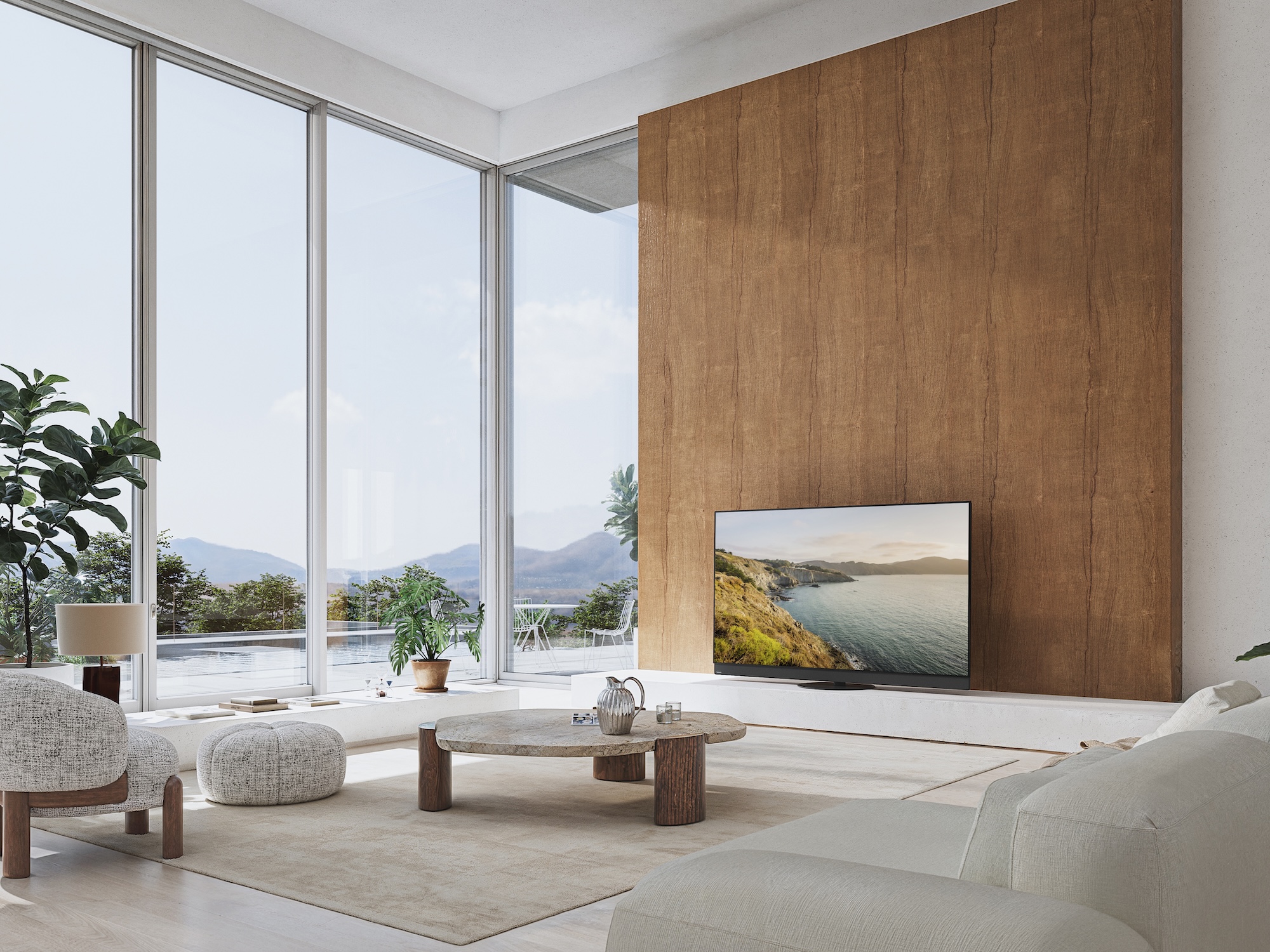
Panasonic's Z95B is a monumental leap for the brand, boasting a new LG OLED panel with staggering brightness and color thanks to its revolutionary four-layer design and advanced cooling. It delivers an unparalleled cinematic experience with stunning detail, deep blacks, and accurate colors, rivaling high-end projectors. The integrated Technics sound system is surprisingly robust, and while gaming features are solid, its true brilliance lies in its picture quality for movies and TV. This TV is a technical marvel, solidifying Panasonic's legacy. Dive into the full review to see why it's set as the new reference standard.
While the name Panasonic Z95B might suggest a minor iteration of last year’s flagship and reference, Panasonic Z95A—with only the model letter updated—the reality is that the Panasonic Z95B represents one of the most significant generational leaps observed from the Japanese brand in a decade. Its impact could be historic, in multiple respects.
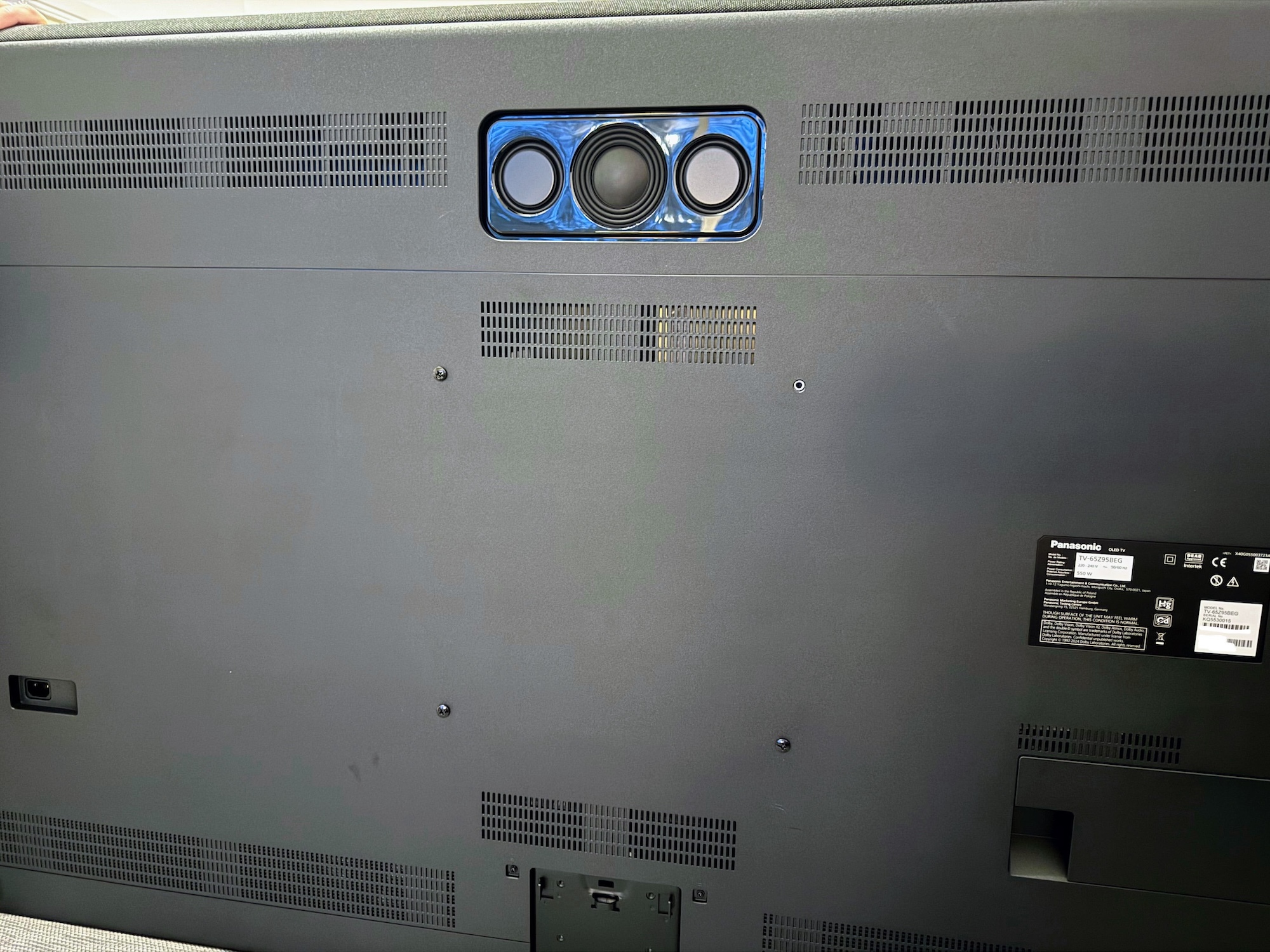
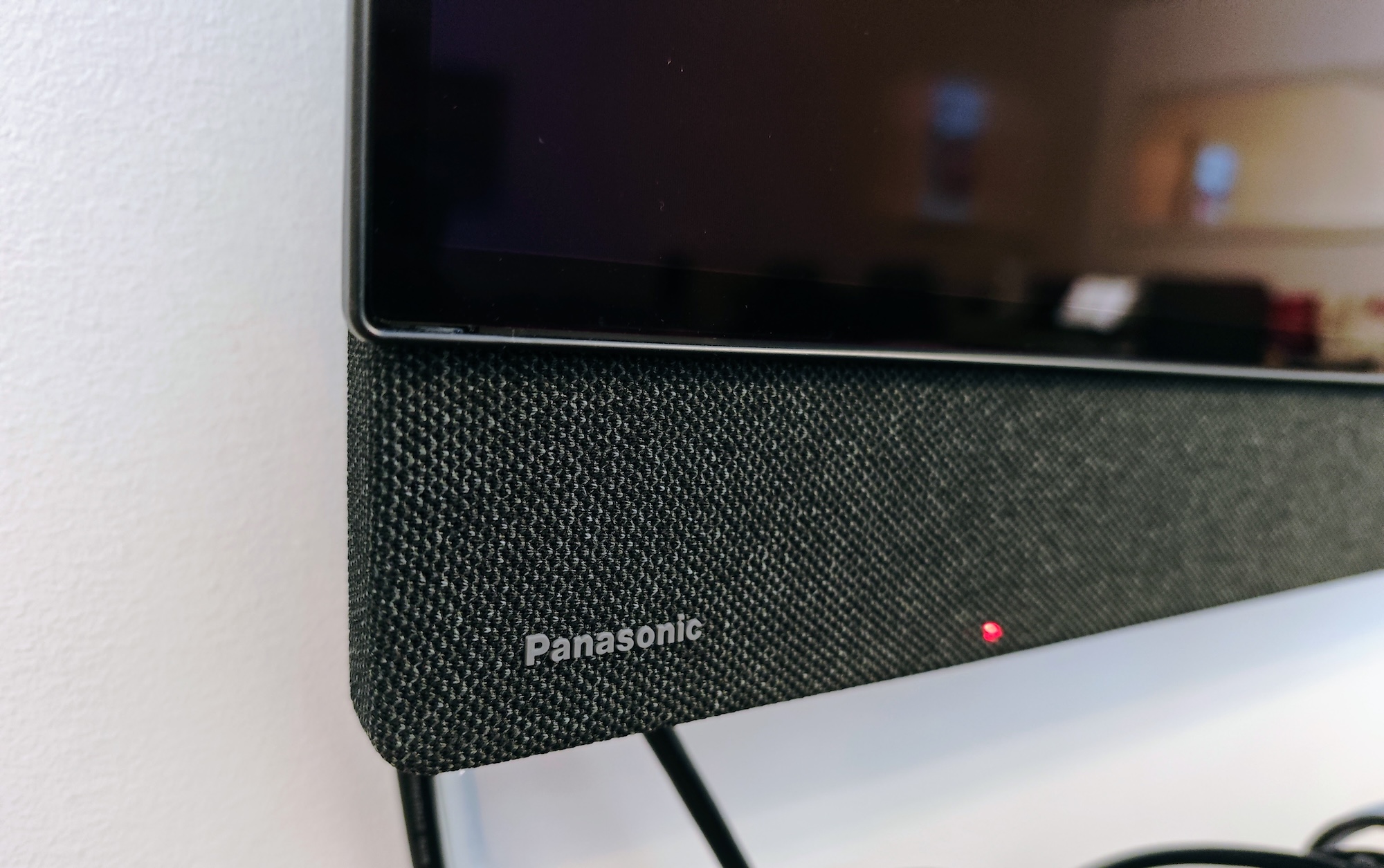
Upon unboxing the 65-inch TV, its substantial thickness and weight are immediately apparent compared to its predecessor. The wider chassis—extending a total of 52 mm—and the premium fabric-wrapped speakers evoke classic edge-lit LED TVs, a departure from typical modern OLED designs optimized for wall-mounting.
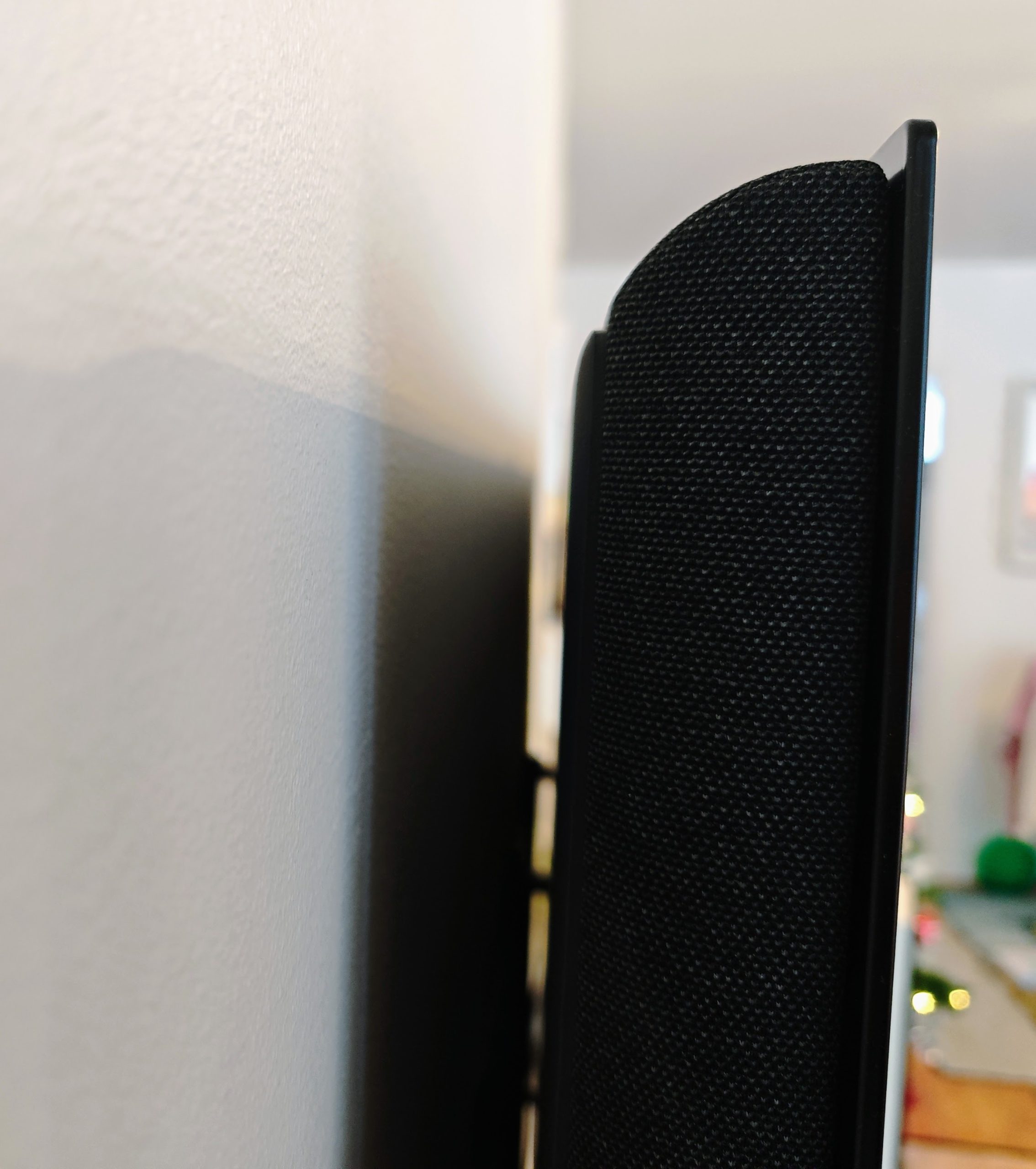
This increased thickness, however, is well-justified, as the Panasonic Z95B introduces several significant new features this year, most notably:
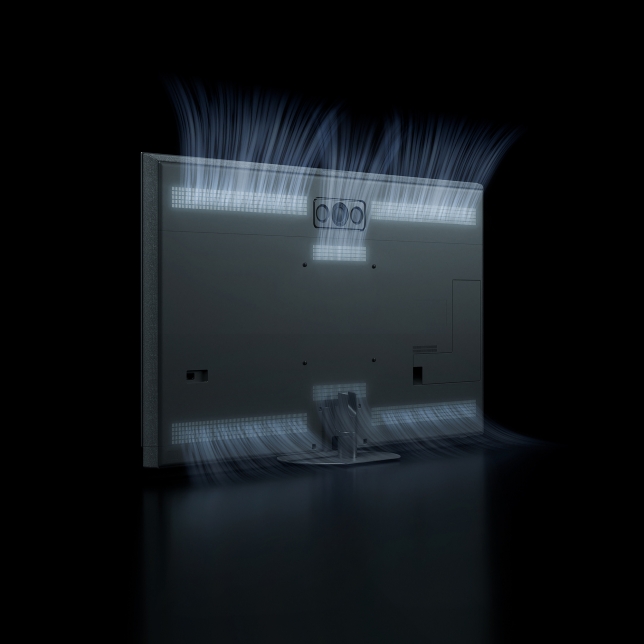
- A completely new generation OLED panel from LG Displays, featuring Primary RGB Tandem technology. This practically translates to four layers of OLED with a division into three primary colors (red, green, and two blue), which collectively enhances color reproduction, significantly increases brightness (up to 40% higher capacity), and extends lifespan. This is supported by an entirely new cooling system that partly explains the larger chassis. This system protects the panel’s longevity and delays Automatic Brightness Limiter (ABL) activation by reducing brightness to prevent overheating. This represents a significant advancement over traditional single-layer OLED designs.
- The expanded internal volume also accommodates a 170W Technics sound system, which delivers a superior, more expansive, and powerful audio experience compared to previous generations of integrated Dolby Atmos speakers. This system is capable of rivaling higher-end soundbars (though bass depth remains limited). Additionally, beamforming technology can direct sound to a specific spot in the room, minimizing leakage and disturbance to those outside the optimal listening position.
- Furthermore, for premium buyers, this year’s 77-inch model provides identical high performance to the 55-inch and 65-inch variants, a parity not seen in previous years with MLA panels. This offers consistent quality across larger sizes for discerning consumers.
The panel’s exceptional performance is, as ever, driven by Panasonic’s HCX Pro AI Mk II chip and the expertise of its engineers. While this panel technology is also utilized in competitors like LG G5 and Philips 910/950, Panasonic’s implementation consistently delivers a superior class of performance. Peak brightness reaches 2200 nits in a limited area, with full-screen brightness exceeding 300 nits. This surpasses, for instance, the flagship Sony Bravia 8 II, although the Sony model covers a slightly larger portion of the Rec 2020 color space. Panasonic achieves this brightness while maintaining accurate color reproduction, deep black levels, and comprehensive support for all existing HDR formats—a unique capability. Consequently, while a display like the Samsung S95F may offer a more immediate ‘pop’ in bright daylight environments, the Panasonic Z95B avoids the slightly raised black levels that become apparent in dark viewing conditions, an issue that cannot be resolved on competing panels.
As is common, the default Normal picture mode is not recommended; its vibrant colors and overly smooth motion may appeal to some in a retail demonstration, but Filmmaker Mode is the advised selection for optimal viewing. In *Filmmaker Mode*, the Z95B delivers an exceptionally accurate image directly out of the box, rendering professional calibration largely superfluous. With an average delta deviation of approximately 1.3 (where anything below 2 is generally imperceptible to the human eye), and exceptional detail reproduction, it perfectly complements the superb motion handling. A note of caution regarding True Cinema: while technically the most “correct” picture mode, its brightness is reduced below 100 nits, to an extent that makes the picture appear anemic and too dark for most preferences unless viewed in a completely darkened environment.
With these insights, we proceeded to evaluate the Z95B’s capabilities with a selection of reference films and games:
Panasonic Z95B Picture – Film & TV
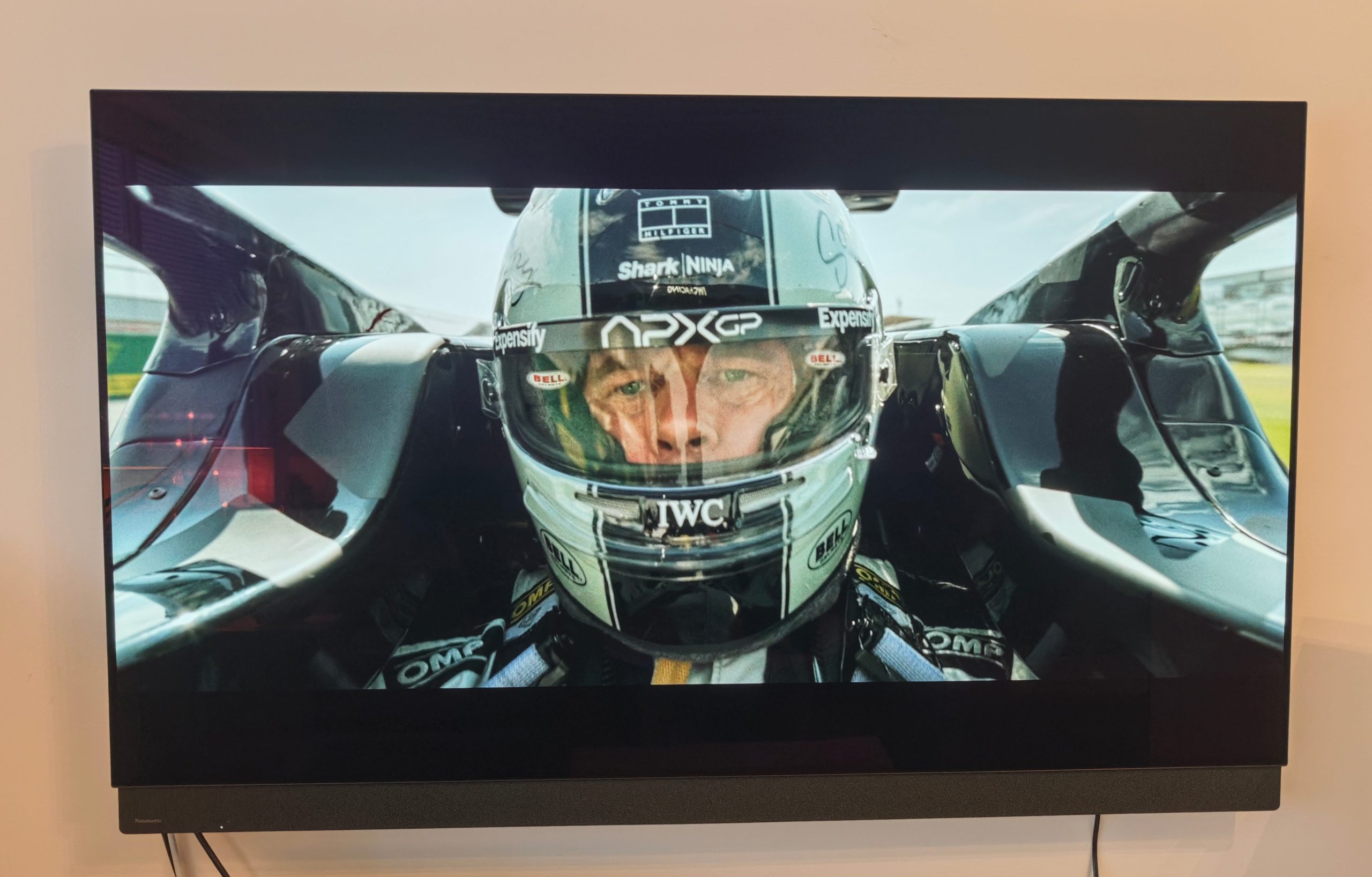
Film and television content have long been Panasonic’s strength, and in this segment, the Panasonic Z95B demonstrates undisputed superiority. Experiencing a modern reference film on 4K UHD physical media with HDR, such as F1 – The Movie, Jurassic Park: Rebirth, or Mission: Impossible – The Final Reckoning, is a revelation for cinephiles. Current projectors cannot match this display; its image exudes natural rendering, vibrant colors, dazzling highlights, and profound blacks. The most intense action sequences convey a tactile realism, and grand landscapes with sun-drenched lens flares have never appeared more vivid.
Streaming from premium services such as Netflix, Amazon Prime Video, or Disney+ in 4K with HDR also excels, though with subtle distinctions. We occasionally observed slightly more banding on specific Dolby Vision titles compared to HDR10+, but these differences are marginal and vary by content. It is truly gratifying to experience TV series like The Mandalorian (Disney+), Better Call Saul (Netflix), and Tom Clancy’s Jack Ryan (Prime Video) with a fidelity in color and brightness that is unattainable on standard linear TV broadcasts. Ensuring a premium subscription is crucial to accessing this quality.
Regarding linear television, it is important to acknowledge that many broadcasts remain in HD and exhibit variable quality. While the Panasonic Z95B upscales this content adeptly, underlying signal deficiencies become more pronounced, and even advanced image processing cannot fundamentally alter this. Therefore, the panel’s quality should not be judged based on typical sports broadcasts, which inherently exhibit more judder than proper film and TV productions.

Playing DVDs and Blu-rays through our established physical media player, the Panasonic UB9000, yielded impressive results. Even low-resolution DVD content is exquisitely upscaled to 4K, and certain Blu-ray editions surprisingly appear superior and more cinematic than their UHD 4K counterparts; notable examples include The Lord of the Rings trilogy and Titanic (and largely most of James Cameron’s classic films, excluding Avatar). Both look stunning on the Panasonic Z95B, indicating that its handling of SDR signals is at least as proficient as its handling of HDR.
A cautionary note: while “AI” features are prevalent, including in this TV, we recommend disabling them. During our testing, the “AI image enhancer” detracted from reproduction accuracy and detail. The principle of “disabling all non-essential processing” remains highly applicable here. Naturally, individual preferences for picture presentation vary, akin to subjective preferences for bass levels in audio reproduction.
Panasonic Z95B Picture – Gaming
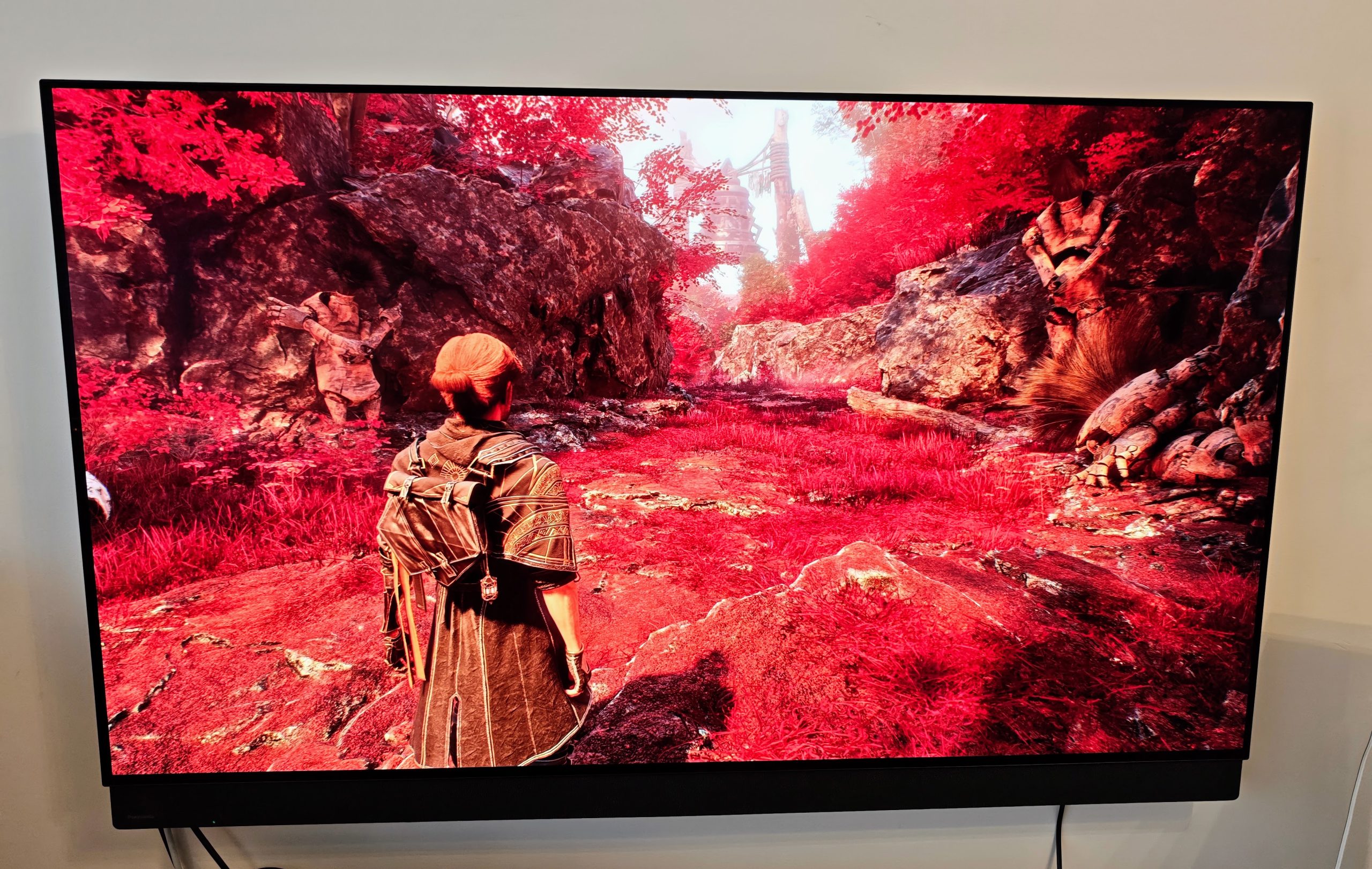
As before, both a Game and a True Game mode are available, with the latter being preferable for gaming. While it subtly adjusts colors, its primary benefit lies in activating ALLM and supporting simultaneous 120 Hz, DV, and 4K, though this is limited to two of the four HDMI connections. Image reproduction in games such as Clair Obscur: Expedition 33 and Final Fantasy VII: Rebirth is flawless, and for enthusiasts of FPS titles like Battlefield 6, the 120 FPS mode offers an exceptional experience. PC gamers receive an additional benefit this year with 144 Hz support. Input lag in this mode is just under 13 ms, which is highly commendable, though not class-leading. It is worth noting that some OLED competitors, such as the LG G5, provide HDMI 2.1 on all four ports, along with 165 Hz support (primarily relevant for PC gamers) and even lower response times, down to 4 ms. However, for users primarily utilizing 4K consoles like PS5 Pro, Xbox Series X, and Nintendo Switch 2 on the TV, and a dedicated monitor for PC gaming, this marginal gaming advantage does not outweigh the Z95B’s superior picture quality for film and television content. It is important to note, however, that if you possess multiple consoles requiring HDMI 2.1, you will need to either manually swap HDMI cables or integrate them via a high-performance switch (e.g., within a high-end home theater receiver) to fully exploit their graphical capabilities.
“The more things change…
…the more they remain unchanged,” a classic adage that aptly describes the TV’s plastic remote control and integrated operating system. Given its limited usage, the remote control’s impact is negligible in this context. While the Amazon Fire TV OS is not a direct competitor to Apple TV, it represents a significant advancement in intelligence compared to the Firefox tvOS found in previous models up to the MZ2000. The Firefox tvOS, however, was noted for its speed and easier menu configuration. Ultimately, integrated smart features on a TV in this price bracket often become secondary for serious film and TV series enthusiasts, who typically opt for external solutions like our preferred Apple TV, or Google Chromecast and similar devices.
Panasonic Z95B – the end of an era?
It is with a sense of apprehension, however, that we observe the Z95B potentially marking the conclusion of a television era as we have known it. Panasonic’s challenges with declining market share in the TV sector and the reduction of local offices in various countries (including Sweden) are well-documented. Furthermore, a successor to this TV model, traditionally unveiled around CES in Las Vegas—an event we have just concluded—has not yet been presented.
Officially, Panasonic maintains its presence in TV manufacturing, though unofficially this appears confined to Japan. Unconfirmed reports indicate that the company may have licensed the rights to sell future devices to a third party (potentially an OEM, similar to Philips). Whether these reports are accurate may become clear in 2026. However, considering persistent rumors of an exit from the TV segment and the absence of any updates for the current year, there are strong indications that the Z95B could be the final flagship television from the Japanese giant to be released in Europe for some time (hopefully not permanently), mirroring the trajectory of the once-dominant Pioneer.
Panasonic Z95B Summary
Panasonic’s flagship OLED series has consistently served as our reference display at senses for film, TV, and gaming over the past decade (though some years saw very close competition). The Panasonic Z95B meticulously addresses all critical aspects to maintain its leading position. In our estimation, it once again surpasses the competition by excelling in nearly every metric (or at least demonstrating a marginal but consistent improvement) and offering comprehensive support for all prevalent image formats. Admittedly, its high price point is a factor, and competitors may appear to offer a brighter picture in daylight (at the expense of elevated black levels in dark environments). Other models might also boast more HDMI 2.1 ports and slightly higher refresh rates (primarily relevant for PC gamers who utilize such a display). However, we consider these to be marginal compromises in the broader context. The Z95B is an exceptionally complete OLED TV and, unequivocally, delivers the finest home television picture available today for film, TV series, and gaming enthusiasts.
Should this prove to be the final iteration of Panasonic’s remarkable OLED displays, we extend our commendation for a decade of outstanding performance, concluding with a true crowning achievement. If not, we anticipate future developments with interest. While undoubtedly an expensive television, its technological prowess and durability suggest it will provide prolonged enjoyment. Prospective buyers may find slightly reduced prices several months post-release.
For us, the Z95B represents a technical triumph—an OLED TV with which we eagerly anticipate exploring new cinematic, television, and gaming experiences. We are pleased to confirm its immediate integration as the new clear reference TV in our editorial office.
Panasonic sent the unit for this review. The sender of the material has no editorial influence on our tests.
