TL;DR
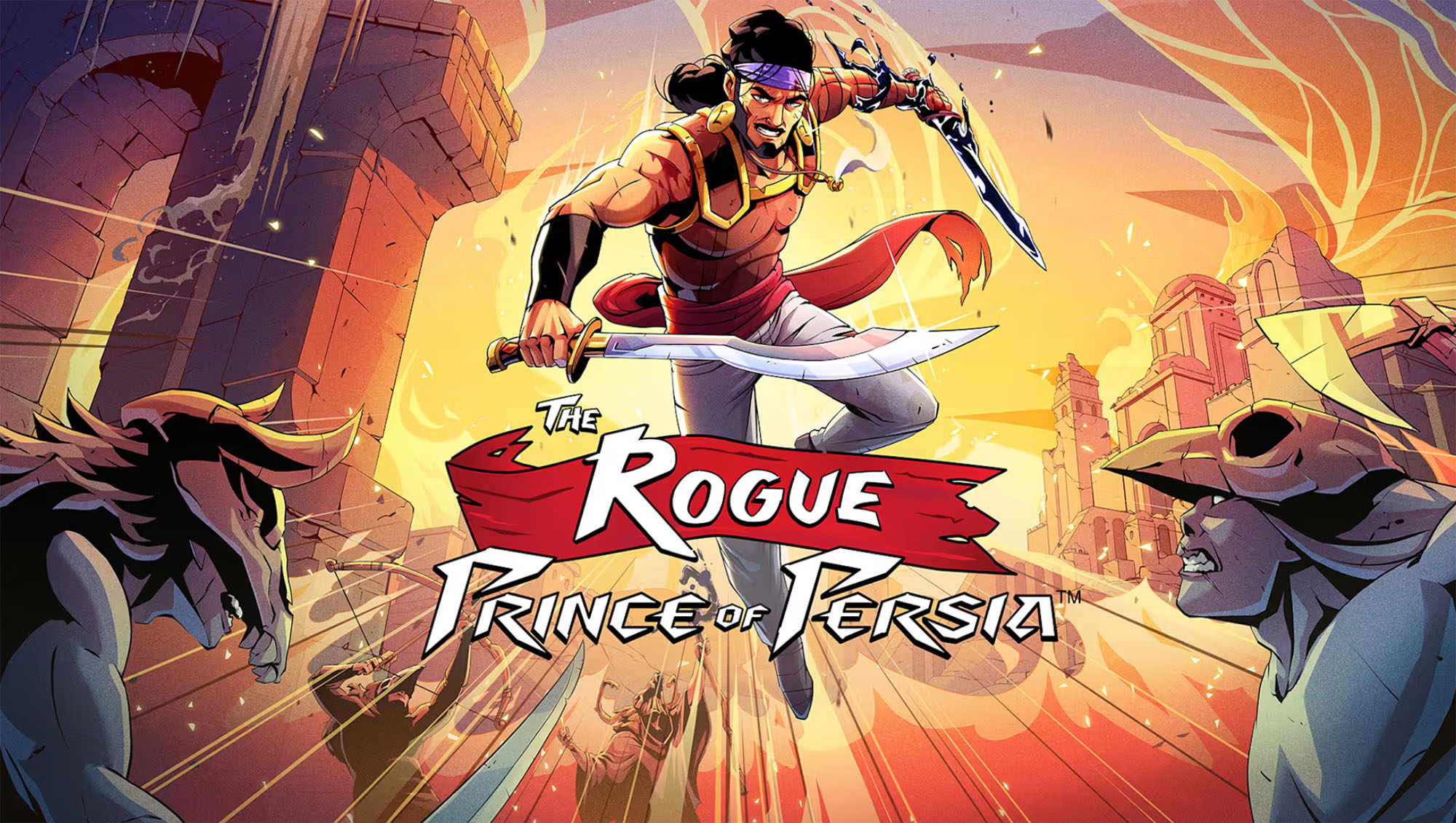
In The Rogue Prince of Persia, a prince fights off invaders with a magical bola, blending fluid parkour and combat in a roguelite structure where story unfolds with each run. While the core gameplay is intuitive and engaging, drawing inspiration from the classic original, the Nintendo Switch version suffers from poor optimization, with long load times and performance issues. Adding to the frustration is the mandatory Ubisoft account requirement. Discover if the game's strengths outweigh its technical and structural drawbacks – dive into the full review!
In The Rogue Prince of Persia, players embody a prince who, wielding a magical bola, must defend his homeland from an invading Hunnish army. The narrative is intrinsically linked to the game’s roguelite structure: each defeat sees the prince return to a central oasis, serving as a persistent hub. Through successive runs, new characters, biomes, and fragments of the overarching story are progressively unlocked. Gameplay is centered on a dynamic blend of parkour, melee combat, ranged attacks, and various medallion modifications, allowing for diverse player approaches. Rather than traditional cutscenes, the story unfolds organically through repeated playthroughs and emergent discoveries.
Back to the Roots
My introduction to the Prince of Persia series dates back to its original release on the Atari ST around 1989–1990. From the outset, the game captivated me with its groundbreaking approach: the animations were remarkably fluid, the gameplay mechanics offered a compelling challenge, and the narrative, while simple, was highly effective. While numerous Prince of Persia titles have been released since, I had not explored the subsequent entries until now.
The announcement of The Rogue Prince of Persia, particularly its apparent stylistic and mechanical homage to the original, immediately piqued my interest. This marked my first opportunity to experience a modern iteration of a title that had been a personal favorite for over three decades.
Game Structure and Development
The Rogue Prince of Persia is a 2D action roguelite developed by Evil Empire and published by Ubisoft. The game was first released in Early Access in 2024 and launched in its full version on August 20, 2025, on PC, Playstation 5, and Xbox Series X/S. It has now also been released for Nintendo Switch and Nintendo Switch 2.
Gameplay Mechanics and Variation
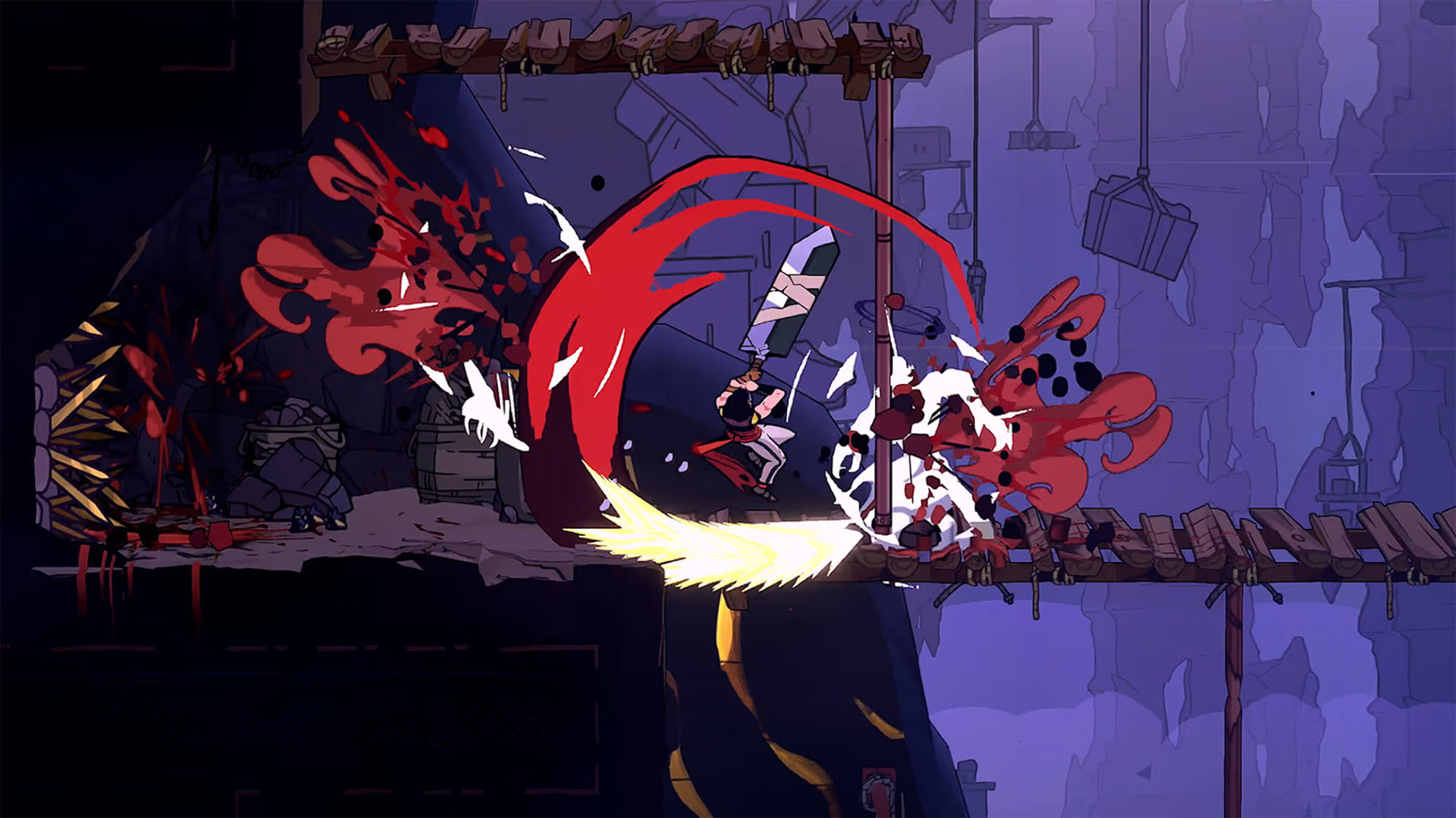
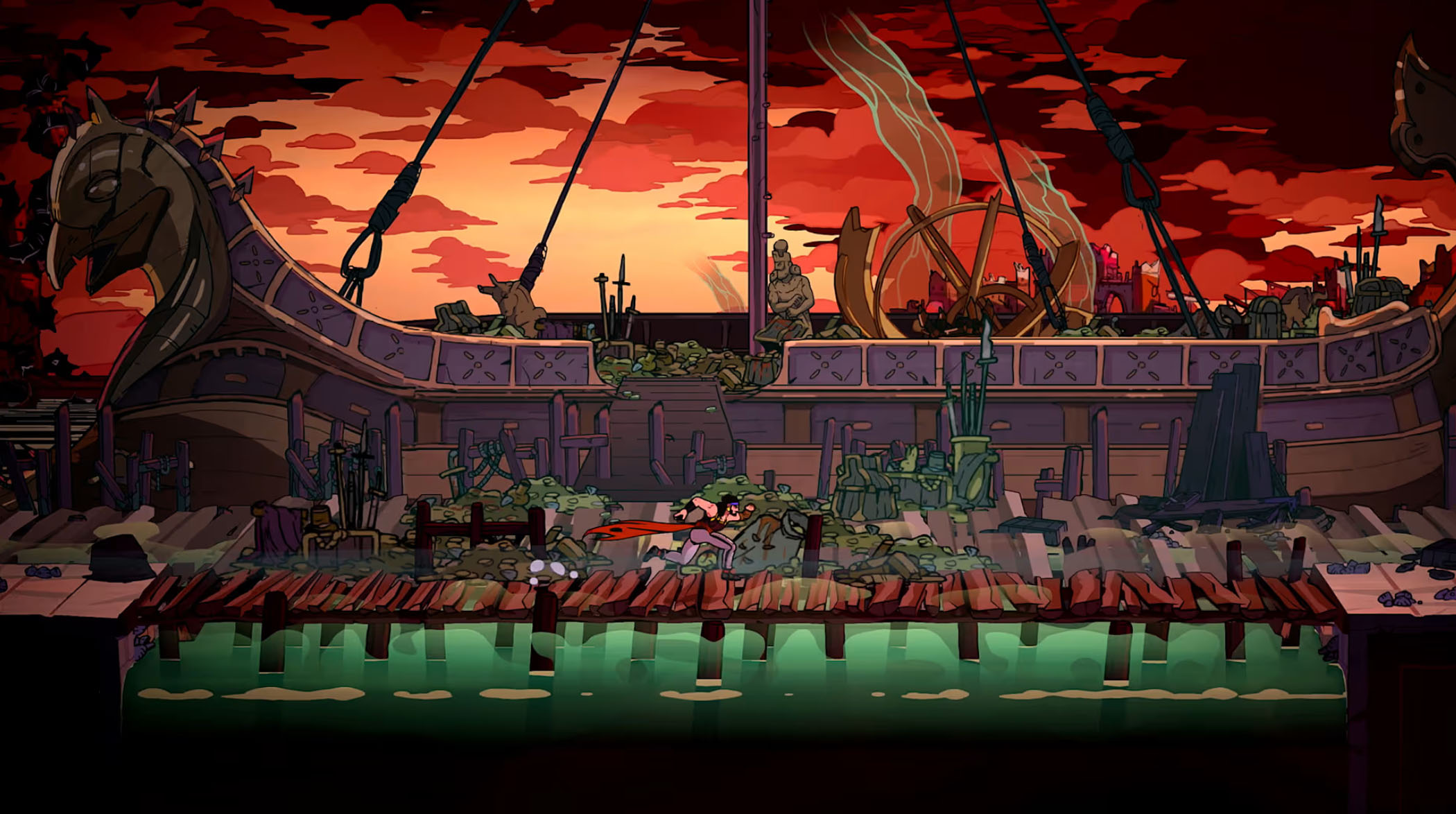
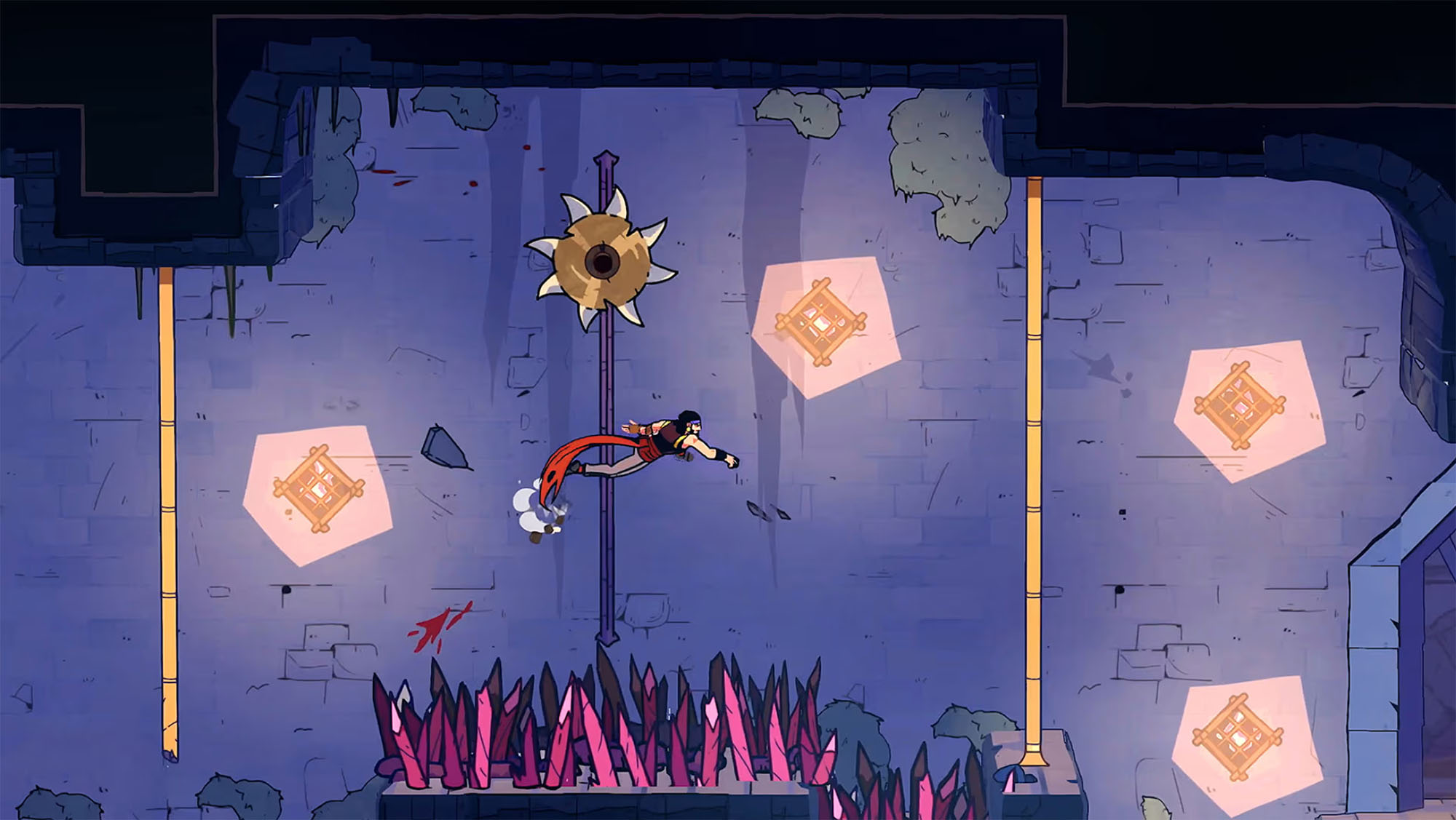
The core mechanics are notably intuitive. Players can seamlessly perform wall runs, jumps, and engage in combat. The game offers a plethora of weapons for players to discover and integrate into their build. Encounters feature numerous and varied enemies, often necessitating tactical engagement over an uncalculated rush.
Despite the character’s relatively small on-screen presence, visual clarity remains excellent, even on the Nintendo Switch’s integrated display in handheld mode.
Technical Issues and Drawbacks
The Rogue Prince of Persia, regrettably, presents several notable issues. The most immediate is the mandatory requirement for a Ubisoft account to initiate gameplay. This authentication process cannot be circumvented, compelling players to create an account before accessing the game—a significant point of frustration.
During testing on the Nintendo Switch 2, despite its enhanced capabilities compared to its predecessor, load times were notably protracted, persisting even in docked configurations. Performance in handheld mode was comparably suboptimal. This is particularly puzzling given the game’s graphical demands appear moderate. Furthermore, loading sequences are punctuated by stutters and occasional audio dropouts, intensifying the unsatisfactory experience. This strongly suggests that the Switch version suffers from poor optimization, implying a superior experience on more powerful platforms such as the PlayStation 5 and Xbox Series X.
The Roguelite Structure
While the roguelite progression model, where player improvement is tied to repeated attempts, is appreciated by many, it can also induce frustration for players who find themselves replaying familiar segments extensively.

In summary, while the core gameplay mechanics are engaging, the mandatory death-to-progress loop can become repetitive. The suboptimal optimization on the Nintendo Switch platform and the prerequisite for a Ubisoft account significantly diminish the overall experience and negatively impact the game’s evaluation.
Ubisoft provided a review code for this test. The sender of the material has no editorial influence on our reviews.
